Aug 8, 2026new
How TPE Grid Technology Is Changing the Way Sleep Products Are Designed
Discover how TPE Grid technology helps mattress and sleep brands develop breathable, pressure-relieving and responsive products. Custom TPE sheets, toppers and OEM solutions available.
For decades, mattress and pillow development has largely focused on familiar materials such as memory foam, latex, springs, and fiber fillings. Today, however, sleep brands are facing a different challenge.
Consumers are not simply asking whether a mattress is soft or firm. They increasingly expect better pressure distribution, improved airflow, responsive support, durability, and a more comfortable sleep environment.
For mattress manufacturers and sleep brands, this means product innovation is increasingly becoming a material engineering challenge.
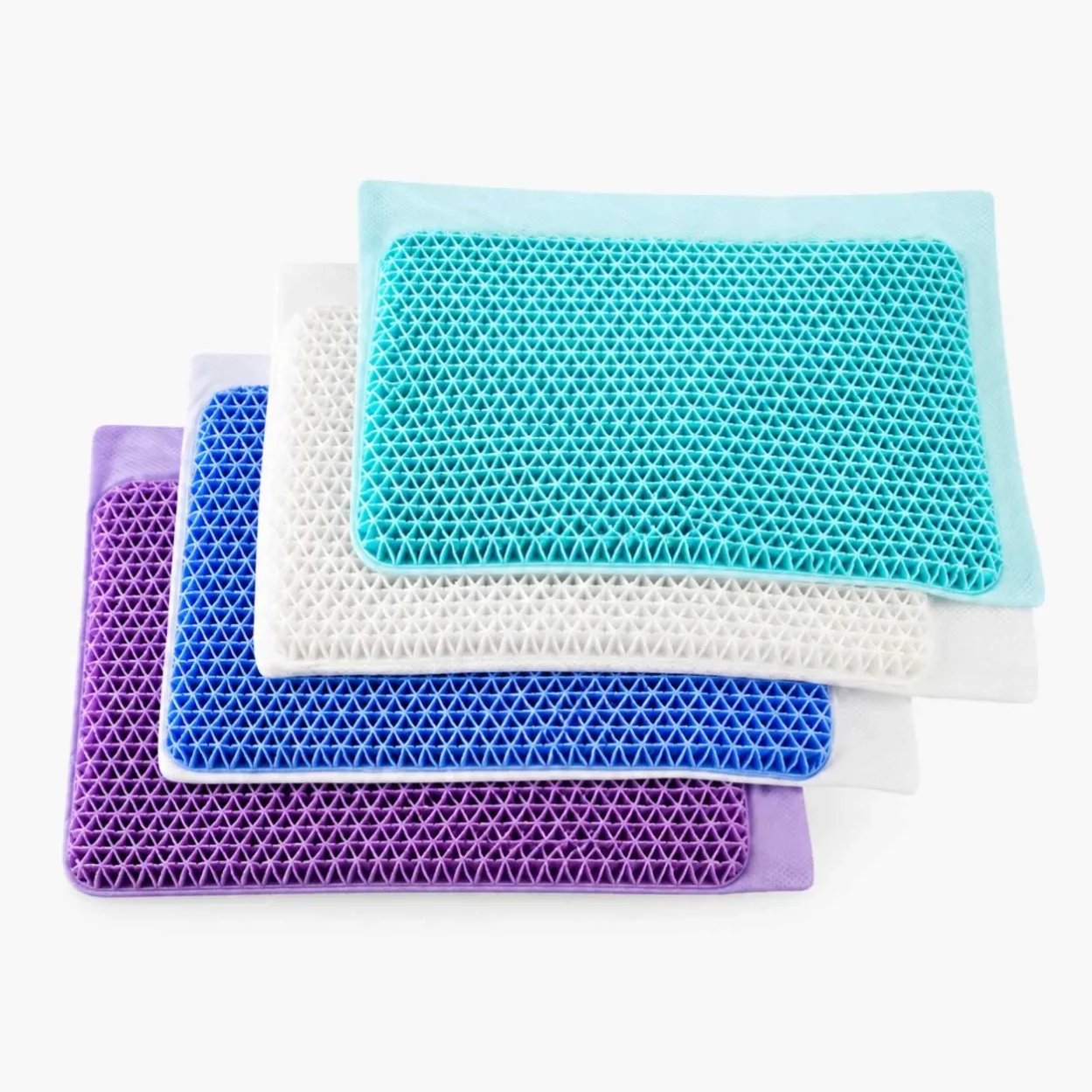
One technology attracting attention is TPE Grid — an elastic, three-dimensional grid structure that can be used in mattresses, mattress toppers, pillows, seat cushions, and other comfort products.
Rather than simply adding another layer of foam, TPE Grid gives manufacturers a new way to engineer how a sleep surface responds to pressure, movement, and airflow.
Why Material Structure Matters in Sleep Products
A mattress has to perform several functions at the same time.
It must support the body while allowing pressure-sensitive areas such as the shoulders and hips to sink appropriately. It should remain comfortable when the sleeper changes position and avoid creating an excessively warm sleep surface.
These requirements can sometimes conflict.
A very soft material may provide comfort but insufficient support. A firmer material may provide stability but create excessive pressure in certain areas. Dense comfort layers can contour well but may restrict airflow.
This is why modern mattress design increasingly uses multi-layer and hybrid constructions.
Instead of expecting one material to solve every problem, manufacturers combine materials with different mechanical characteristics.
TPE Grid offers another option for this type of product engineering.
What Is TPE Grid Technology?
TPE stands for Thermoplastic Elastomer, a class of materials combining rubber-like elasticity with thermoplastic processing characteristics.
When engineered into a three-dimensional grid, the material behaves differently from a conventional solid foam layer.
The individual grid walls can bend and compress under load. When pressure is removed, the elastic structure returns toward its original form.
At the same time, the spaces between the grid walls create an open structure rather than a completely solid sleeping surface.
This combination makes TPE Grid particularly interesting for comfort applications where manufacturers are looking for a balance between:
Elastic response
Pressure distribution
Airflow
Structural support
Long-term resilience
The exact performance depends on the TPE formulation, grid geometry, height, wall thickness, firmness, and the other materials used in the finished product.
Pressure Relief Starts with How a Surface Responds to the Body
Pressure management is an important consideration in mattress and pillow development.
The human body does not apply pressure evenly across a sleeping surface. Areas such as the shoulders and hips normally generate higher localized loads.
A flexible grid structure can deform differently across these areas.
Instead of compressing as one solid block, individual sections of the TPE Grid can respond to localized pressure. This creates opportunities for manufacturers to engineer a surface that combines support with adaptive compression.
Grid geometry can also be modified to create different comfort characteristics.
For example, manufacturers may explore different structures for:
Shoulder areas
Lumbar support
Hip zones
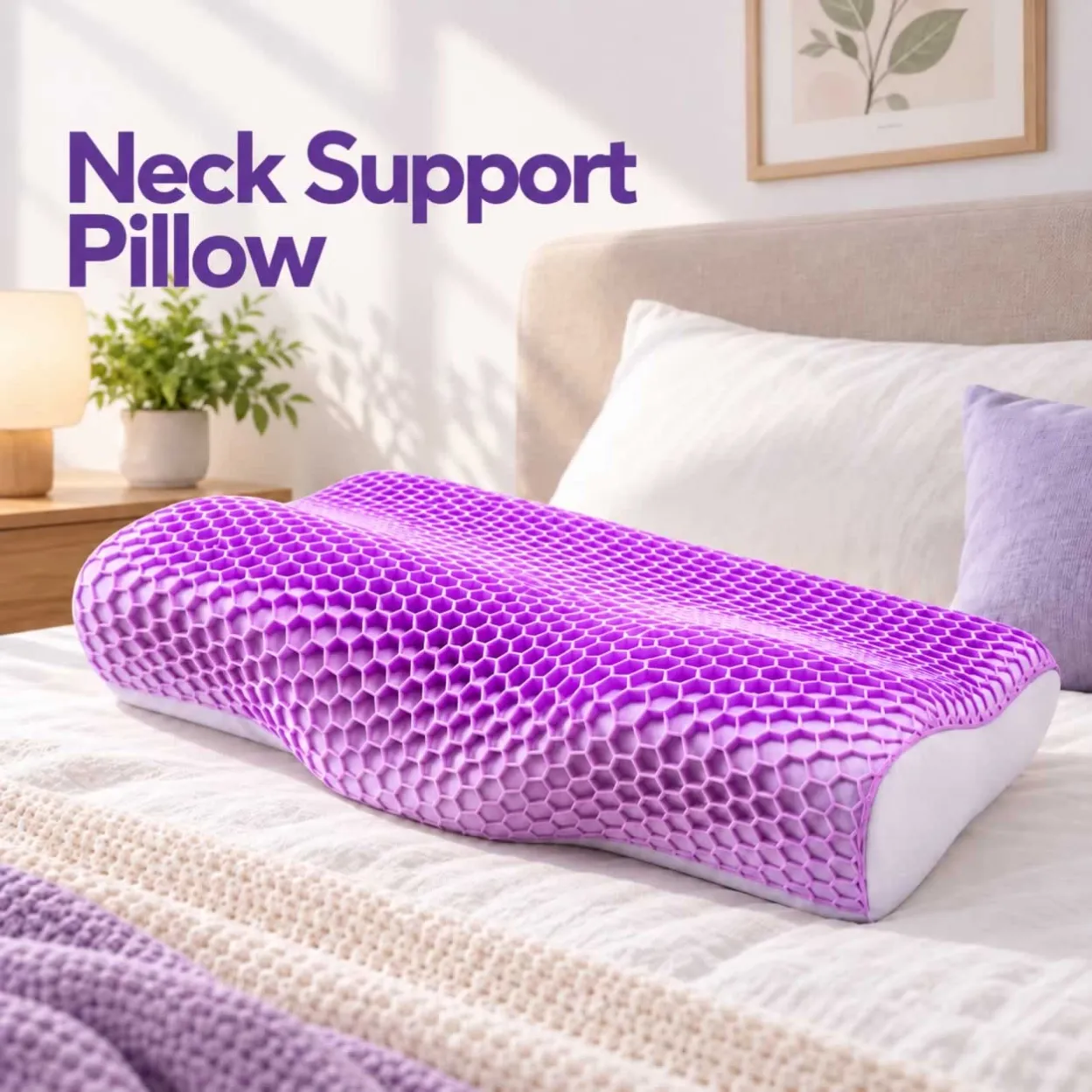
Head and neck support
Mattress edge areas
This opens the possibility of zoned TPE Grid designs for more specialized sleep products.
Why Airflow Is Becoming a Bigger Product Development Priority
Temperature is another important factor in sleep comfort.
Traditional mattresses often contain several layers of foam, fabric, quilting, and adhesives. Depending on the construction, these layers can restrict airflow around the sleeper.
An open-grid structure creates physical air channels throughout the material.
This does not mean that a TPE Grid layer alone determines whether a mattress will “sleep cool.” The final result depends on the complete system, including the cover fabric, foam layers, mattress construction, room temperature, humidity, and bedding.
However, from a product engineering perspective, an open grid gives designers more space for air movement than a completely solid comfort layer.
This is particularly relevant for brands developing:
Cooling mattresses, breathable mattress toppers, summer sleep collections, and hybrid comfort systems.
Interestingly, this broader focus on grid-based sleep surfaces is already visible in the premium mattress market,emphasizing the combination of pressure response, support, and cooling characteristics.
For other sleep brands, the lesson is not to copy an existing branded technology, but to recognize how material architecture itself can become part of a product’s value proposition.
Responsive Support vs. Traditional Memory Foam Feel
Memory foam remains one of the most important materials in the global bedding industry.
Its slow-recovery behavior creates the contouring sensation many consumers recognize. But not every sleeper wants a deeply conforming or slow-moving surface.
TPE Grid provides a different response.
The elastic structure reacts quickly when pressure is applied or removed. When incorporated into a hybrid construction, manufacturers can therefore combine two distinct comfort characteristics:
Memory Foam → contouring and slow response
TPE Grid → elasticity and responsive surface support
The goal does not have to be replacing memory foam.
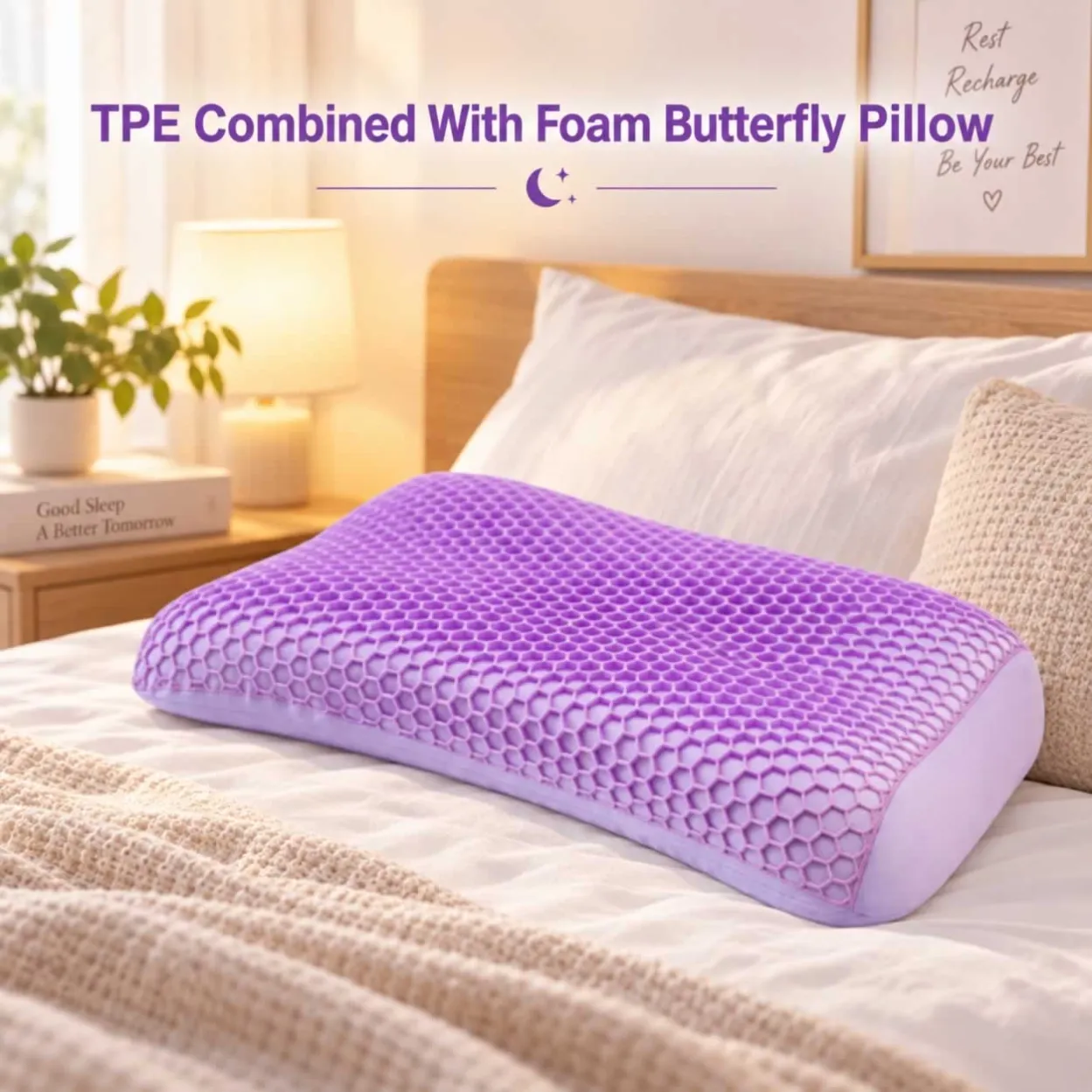
For many manufacturers, the stronger product opportunity may be TPE Grid + Memory Foam.
This allows an established memory foam brand to develop a new premium collection while retaining a material its customers already understand.
TPE Grid as a Mattress Comfort Layer
One of the most interesting B2B applications is integrating TPE Grid directly into an existing mattress construction.
A manufacturer may use the grid above or between conventional comfort layers, depending on the desired feel and mattress design.
Potential combinations include:
TPE Grid + Memory Foam
For contouring comfort combined with a more responsive grid surface.
TPE Grid + Pocket Springs
For elastic surface comfort combined with deeper spring support.
TPE Grid + Latex
For brands looking to develop highly responsive hybrid constructions.
TPE Grid + Multi-Layer Foam
For mattress factories wanting to differentiate an existing foam platform without rebuilding the complete production system.
This component-based approach is especially useful for established mattress factories.
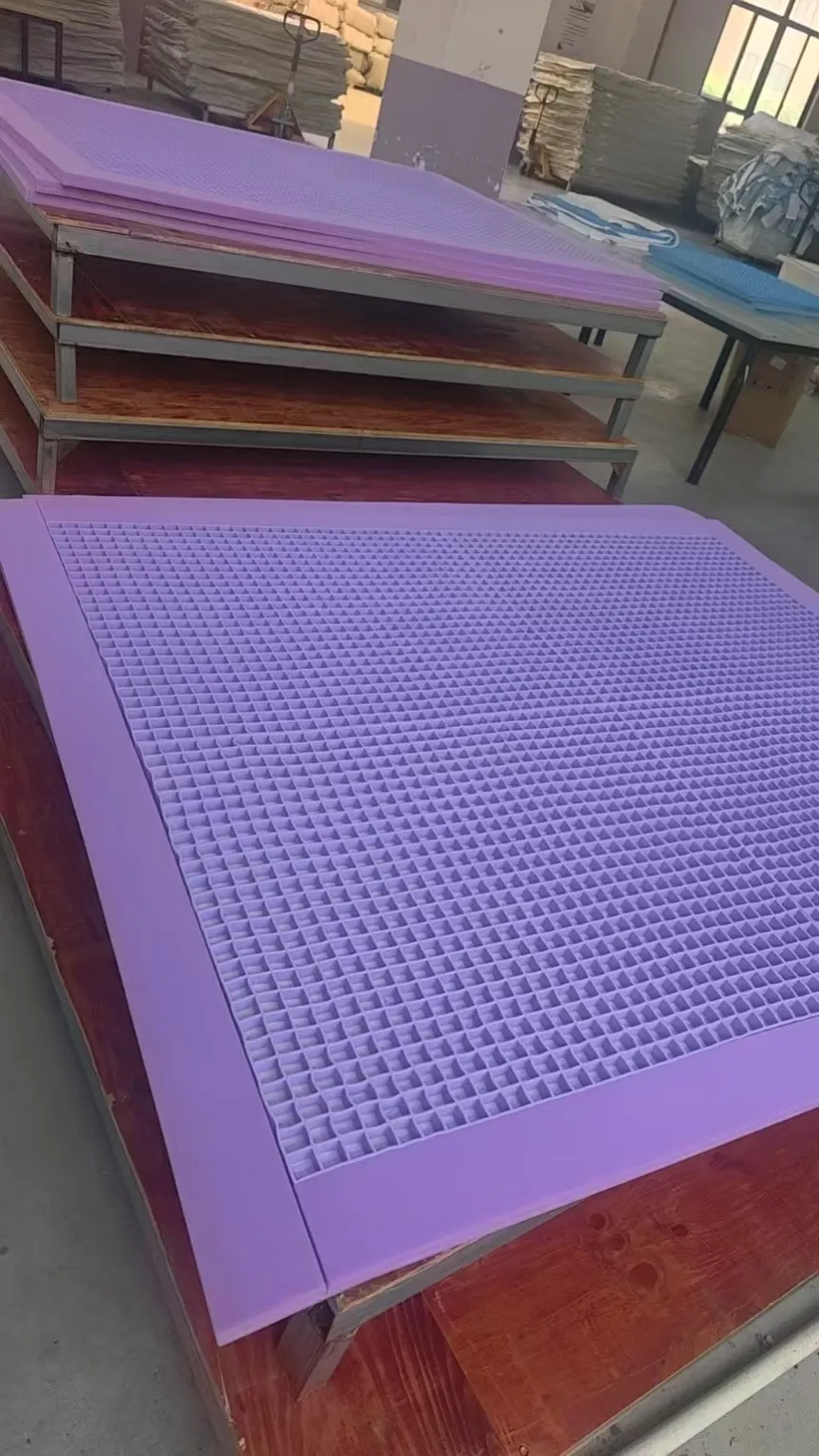
Instead of importing a finished mattress, manufacturers can purchase custom TPE Grid mattress sheets and integrate them into their own production lines.
They retain control over their foam, springs, covers, quilting, branding, assembly, and packaging while adding a new material technology.
Beyond Mattresses: Building a TPE Grid Sleep Collection
Another advantage for brands is that the same material platform can extend across multiple categories.
Once a company develops a recognizable TPE Grid concept, it can potentially expand into:
TPE Grid pillows
TPE + memory foam pillows
Mattress toppers
Mattress comfort layers
Seat cushions
Back cushions
Sofa cushions
Pet beds
This allows the brand to move from a single product toward a broader TPE Grid comfort collection.
For product managers, that can be more valuable than launching another isolated mattress SKU.
What Should Brands Consider Before Developing a TPE Grid Product?
Material selection should always begin with the desired customer experience.
Before developing a TPE Grid mattress, topper, or pillow, buyers should consider several technical questions.
What firmness are you trying to achieve?
How thick should the TPE layer be?
Will the grid sit above memory foam, latex, or springs?
Does the product need different support zones?
What mattress or pillow dimensions are required?
Should the TPE color match the brand identity?
Will the grid be visible to consumers?
How will the component be integrated into the existing production line?
What packaging method will be used?
These decisions affect not only comfort, but also product weight, manufacturing cost, shipping, appearance, and retail positioning.
For this reason, TPE Grid development should be treated as a product engineering project, not simply a material purchase.
Develop Your Own TPE Grid Sleep Product
We work with mattress manufacturers, bedding brands, pillow companies, furniture manufacturers, and sleep-product developers on customized TPE Grid applications.
Projects can include TPE Grid sheets, mattress comfort layers, mattress toppers, TPE pillows, TPE + memory foam hybrid pillows, and other customized components.
Depending on the project, dimensions, grid height, structure, firmness, color, and integration method can be discussed according to the customer's existing product and manufacturing process.
If your company already produces memory foam mattresses, hybrid mattresses, latex products, or ergonomic pillows, you do not necessarily need to replace your current production system.
You can start by testing TPE Grid as a new comfort layer.
Send us your current mattress or pillow structure, dimensions, preferred TPE thickness, target firmness, application idea, and estimated quantity. We can evaluate the project and recommend a suitable TPE Grid solution for prototyping and mass production.