Sep 17, 2026new
How to Upgrade Your Memory Foam Pillow Line with TPE Grid — Without Changing Your Production Line
Learn how memory foam pillow manufacturers can add TPE Grid sheets or pillowcases to existing products without changing the foam production line. OEM samples and custom TPE solutions available.
For established memory foam pillow manufacturers, launching a new product often creates a difficult choice: invest in new production equipment or continue competing with similar foam pillow designs.
There is another option.
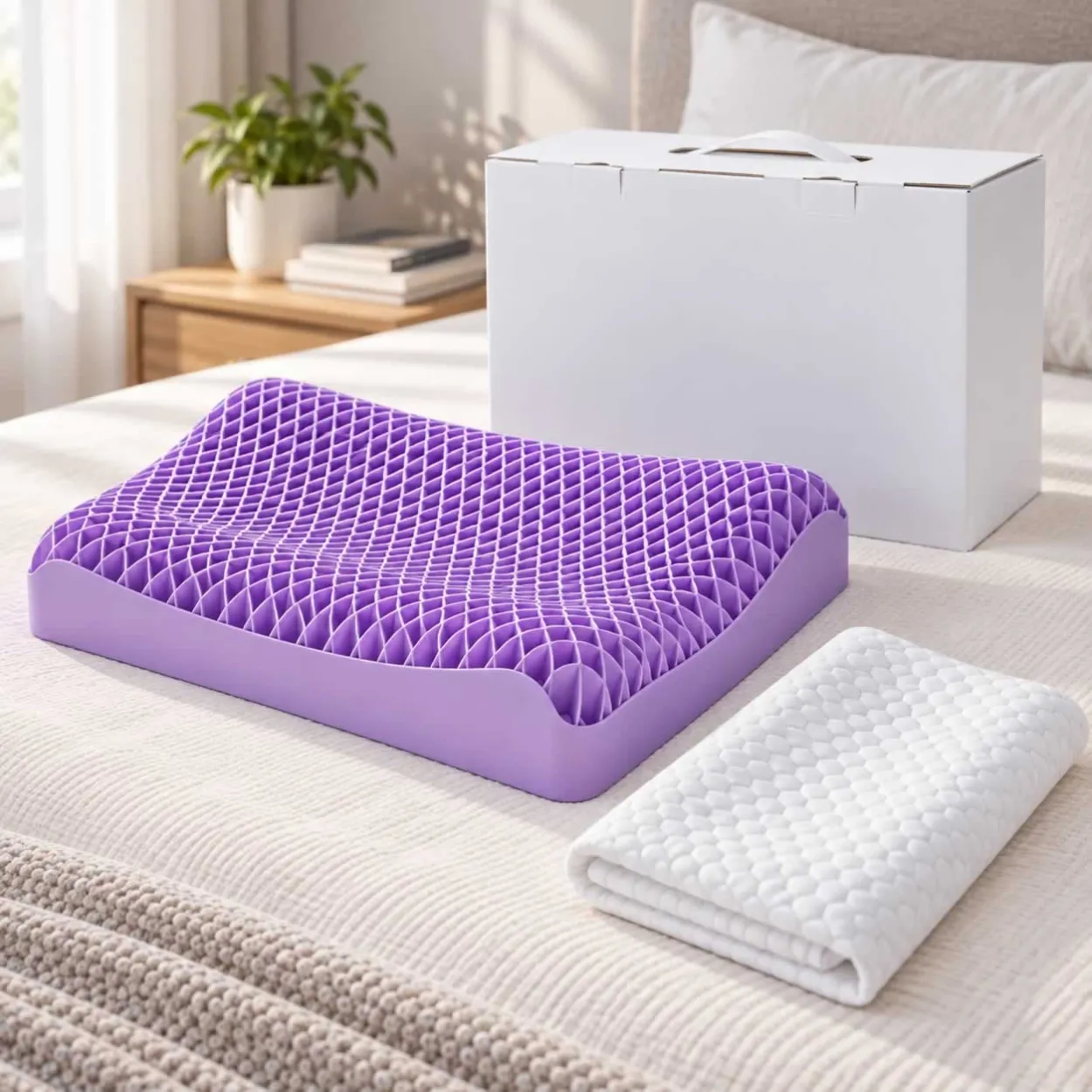
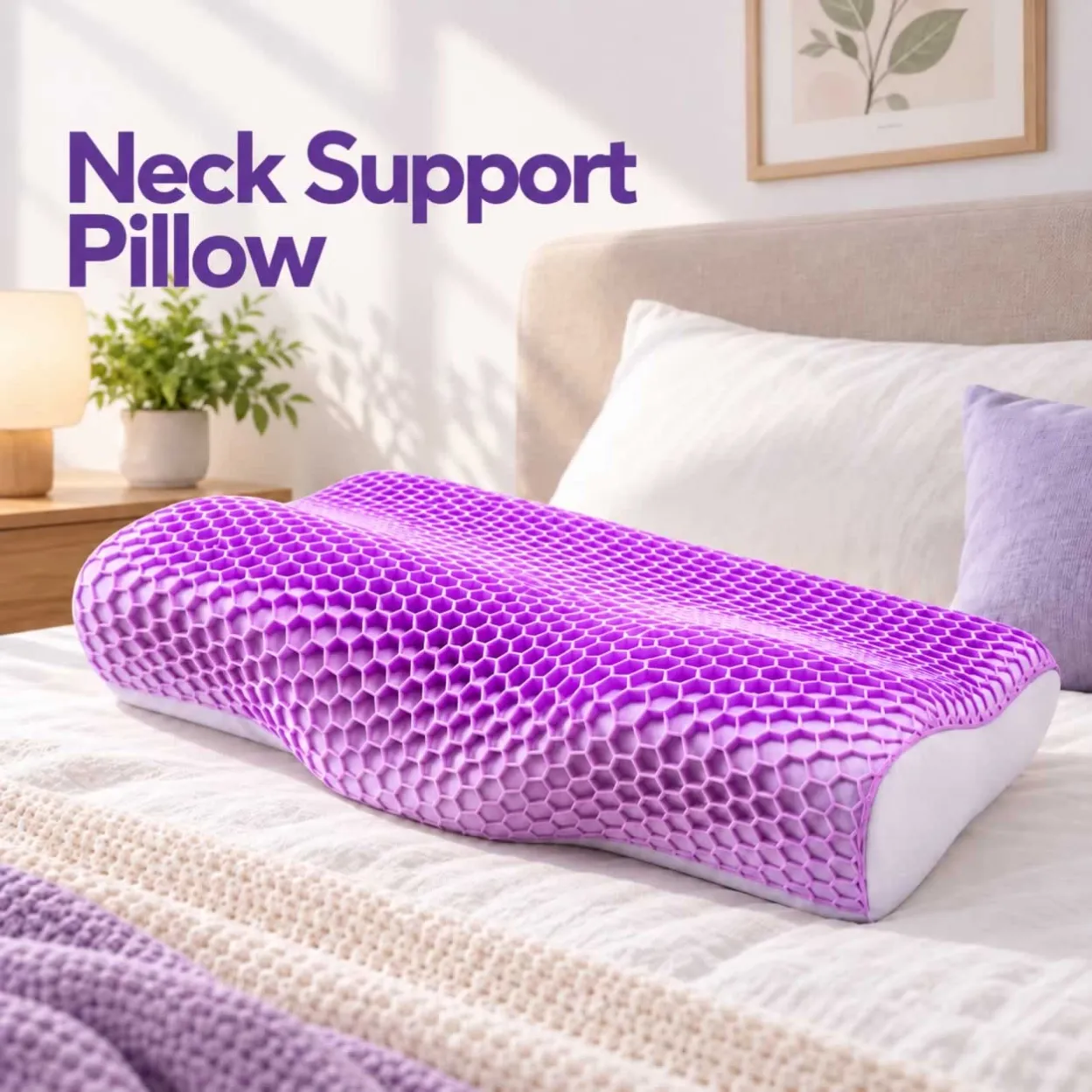
Instead of replacing your existing memory foam pillow, you can integrate a TPE Grid comfort layer with your current foam core and develop a new TPE + Memory Foam hybrid collection.
This approach allows pillow manufacturers and sleep brands to keep using their existing memory foam production capabilities while adding a visibly different material technology to selected products.
You Don't Need to Replace Memory Foam
TPE Grid and memory foam do not need to compete with each other. They can perform different functions inside the same pillow.
Memory foam provides the familiar slow-response contouring feel. TPE Grid provides a more responsive elastic structure with open physical airflow pathways.
A typical hybrid construction can be:
Removable Fabric Cover
↓
TPE Grid Sheet / TPE Grid Pillowcase
↓
Existing Memory Foam Pillow Core
The manufacturer continues producing its existing memory foam core. The primary change is adding the TPE Grid component and adapting the cover if necessary.
For brands with established molds, foam suppliers and production processes, this can be a practical way to extend an existing product line.
Start with a TPE Grid Sheet
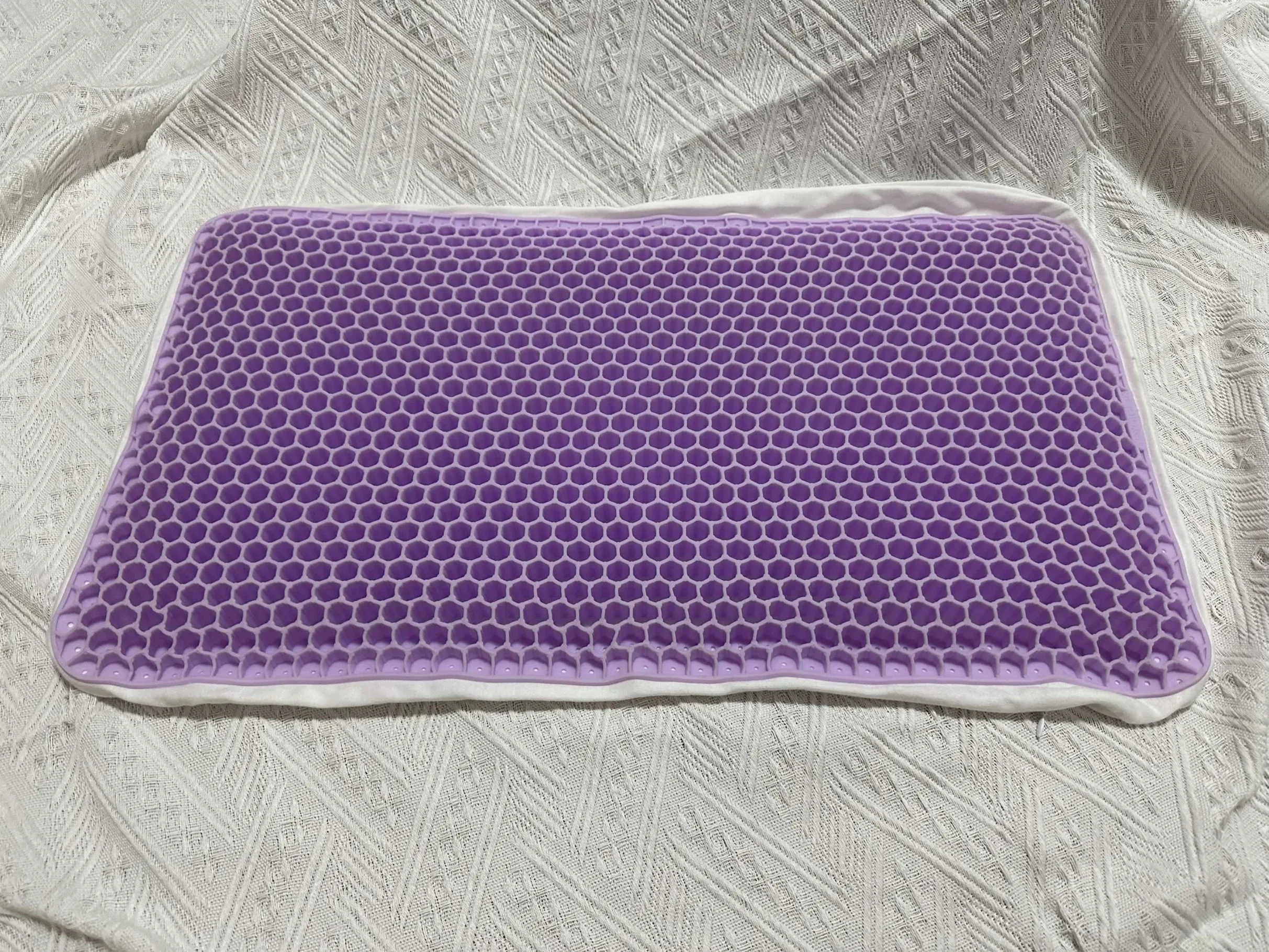
One of the simplest development routes is adding a thin TPE honeycomb sheet over the memory foam.
Frequently requested sizes include:
60 × 45 × 1.2 cm
70 × 45 × 1.2 cm
The 12mm TPE Grid acts as an additional upper comfort layer while the existing memory foam remains the primary pillow core.
This approach is particularly suitable for manufacturers that want to test TPE technology without immediately developing an entirely new pillow structure.
Custom dimensions can also be evaluated according to the size and shape of your existing memory foam pillow.
Upgrade Further with a 2.2cm TPE Grid Pillowcase
Brands looking for a more substantial TPE experience can consider a 70 × 40 × 2.2 cm TPE Grid Pillowcase.
Compared with a thinner grid sheet, the 22mm three-dimensional honeycomb structure plays a more noticeable role in the pillow's surface response.
A possible construction is:
TPE Grid Pillowcase + Memory Foam Core + Stretch Fabric Outer Cover
This creates a visually distinctive hybrid pillow while still retaining the existing memory foam core underneath.
The right thickness depends on the foam firmness, pillow height, grid geometry and target comfort profile, so physical samples should be evaluated before bulk production.
Why Add TPE Grid to Memory Foam?
For brands, the opportunity is not simply to claim that one material is better than another.
The commercial advantage comes from combining two different material behaviors.
Memory foam offers contouring and slow recovery, while flexible TPE Grid provides responsive deformation and an open three-dimensional structure.
The grid also creates physical spaces for airflow instead of placing another completely solid layer above the foam.
This gives product teams a new platform for developing hybrid, breathable and premium-positioned memory foam pillows.
Actual thermal performance will still depend on the complete pillow construction, including the cover fabric, foam, bedding and sleeping environment.
Create a New Collection from an Existing Bestseller
Imagine that your brand already sells a successful molded memory foam pillow.
Instead of discontinuing it, you could create:
Original Model: Memory Foam Pillow
Upgrade Model: TPE Grid + Memory Foam Pillow
Premium Model: TPE Grid + Memory Foam + Premium Stretch/Cooling-Fabric Cover
The same core technology can therefore support multiple price points and product stories.
For e-commerce brands in particular, the visible honeycomb grid also provides useful material for product photography, cross-section graphics, compression demonstrations and videos.
Consumers can actually see what makes the upgraded model different.
What Needs to Change in Your Production?
In many projects, the memory foam production itself does not need to change.
The development work is primarily around the TPE component and final assembly:
Existing Foam Core → Select TPE Grid → Test Dimensions & Hardness → Develop Compatible Cover → Prototype → Evaluate → Pilot Order → Mass Production
This also creates flexibility in sourcing.
Some manufacturers only purchase TPE Grid sheets or pillowcases and complete assembly in their own factory. Others prefer a supplier to develop the complete TPE + memory foam pillow with cover, branding and retail packaging.
Custom TPE Grid for Your Existing Pillow
TPE Grid components can be developed around different product requirements, including:
- Custom length and width
- 12mm, 22mm or other suitable thicknesses
- TPE hardness
- Honeycomb/grid geometry
- Wall thickness
- Custom color
- Memory foam compatibility
- Outer cover fabric
- Logo and private label
- Retail packaging
The best starting point is often your existing memory foam pillow, not a completely new design.
Send the supplier a pillow sample, photo or technical drawing together with dimensions and target comfort requirements. The TPE layer can then be evaluated around the existing product.
We work with memory foam pillow manufacturers, sleep brands, bedding companies, wholesalers and private-label buyers developing TPE + Memory Foam hybrid products.
Already have a memory foam pillow line?
Send us your existing pillow dimensions, core structure, target TPE thickness, preferred firmness, color and estimated quantity.
You don't need to replace your successful memory foam pillow. Upgrade it with TPE Grid.