Oct 24, 2026new
Why Sleep Brands Are Exploring Grid Materials for the Next Generation of Sleep Products
Discover why sleep brands are exploring TPE Grid materials for pillows, mattress toppers and hybrid mattresses. Custom TPE Grid sheets, samples and OEM solutions available.
For years, sleep product development has been dominated by familiar materials: memory foam, latex, polyurethane foam, springs and fiber filling.
These materials are not disappearing.
But sleep brands face a growing product-development challenge:
What comes next?
Launching another memory foam pillow with a different cover or another mattress with an additional foam layer may not create enough differentiation in an increasingly crowded market.
This is one reason more product developers are exploring grid materials as a new platform for pillows, mattress toppers and hybrid sleep products.
Rather than replacing traditional materials, grid structures can be combined with them to create products with different airflow, response and support characteristics.
For sleep brands, that creates opportunities far beyond simply launching another pillow.
Why Grid Structure Is Different from Solid Foam
The most obvious difference is structural.
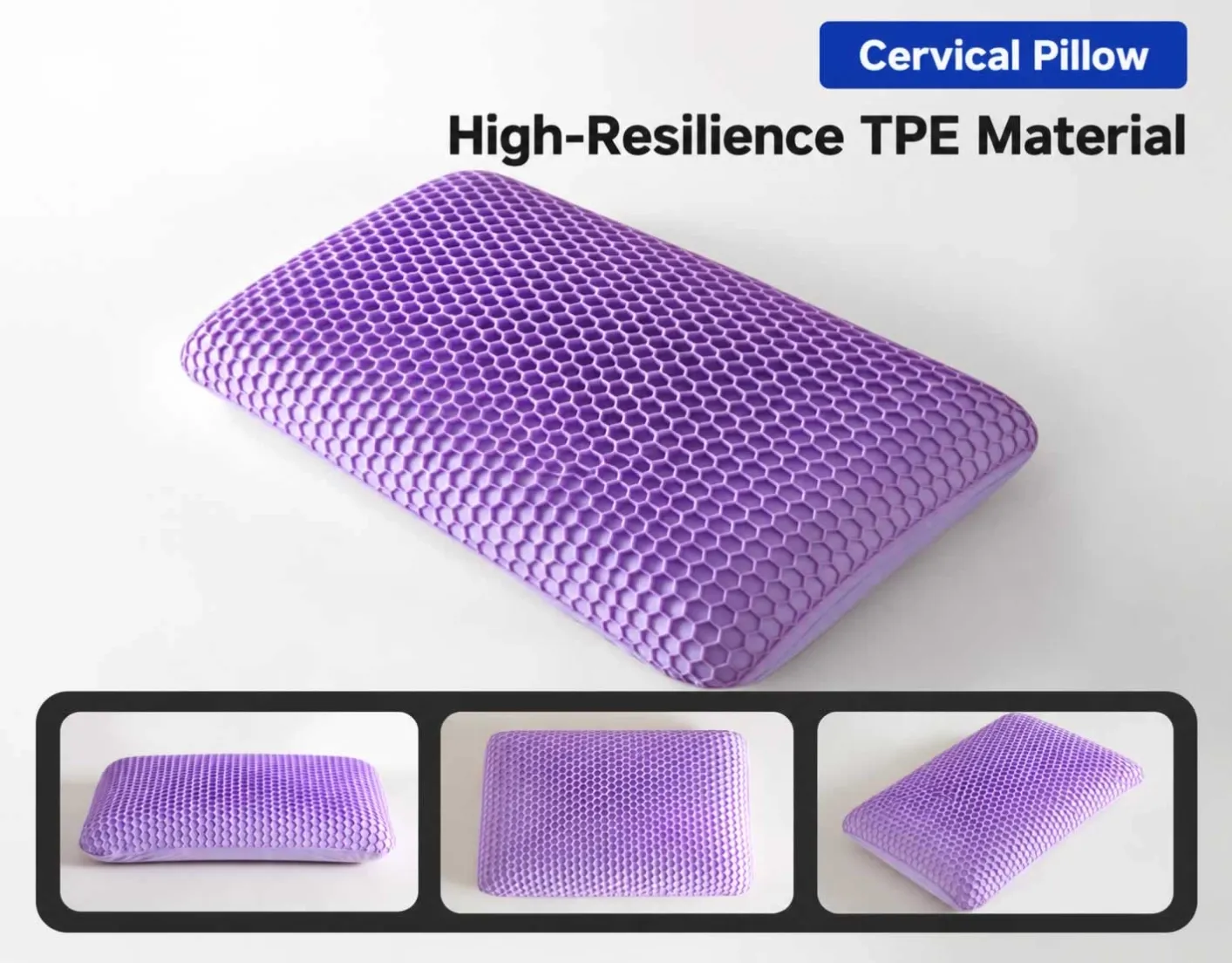
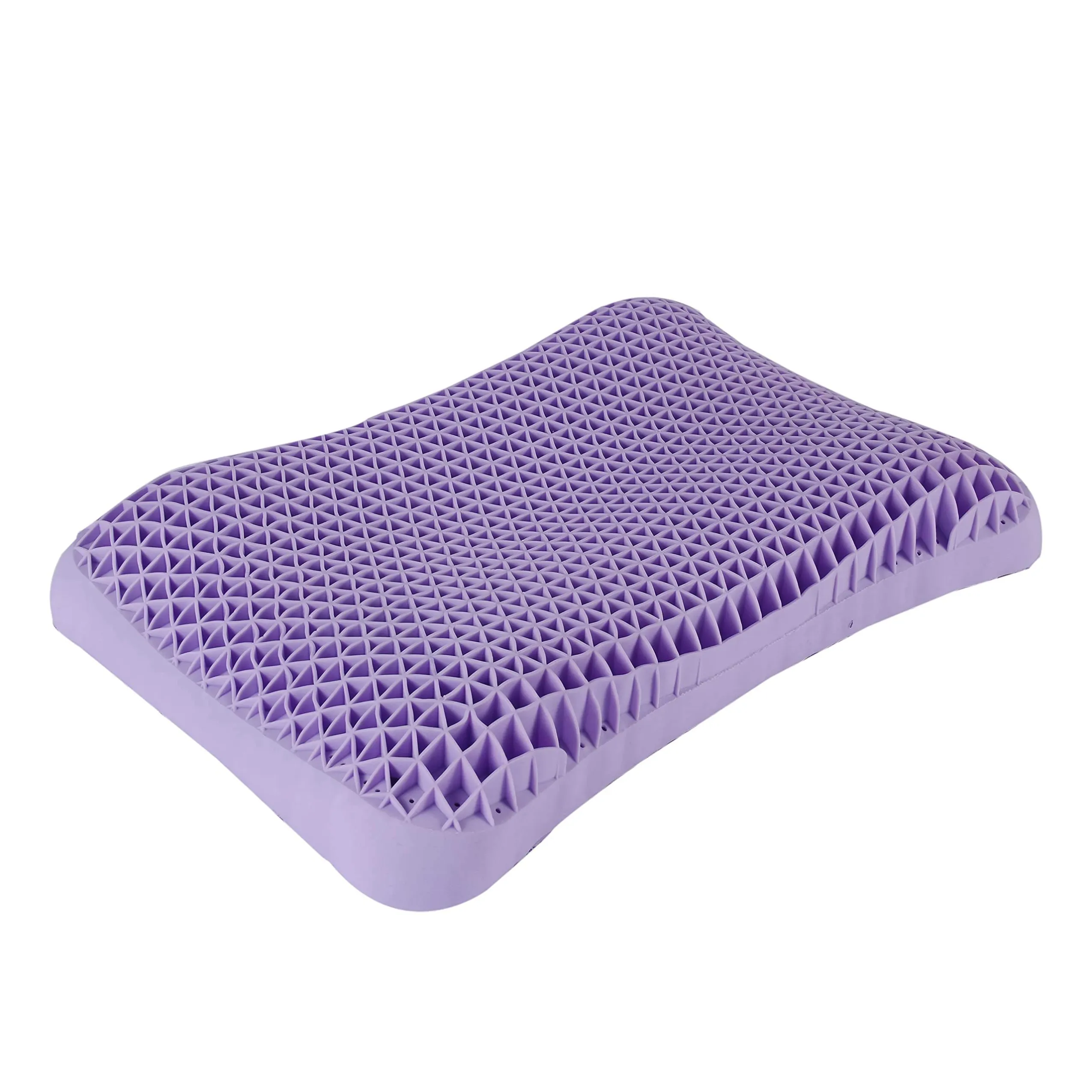
Memory foam and conventional polyurethane foam are predominantly solid comfort materials. Grid materials use an engineered three-dimensional structure containing open spaces throughout the comfort layer.
That changes how product designers can approach both airflow and compression.
Instead of the complete surface responding as a continuous block, individual grid sections can deform under localized pressure.
At the same time, the open structure creates physical pathways through the material.
This makes grid technology particularly interesting for brands developing products around:
Breathable comfort
Responsive support
Pressure distribution
Hybrid constructions
Premium material innovation
Commercial interest in grid-based sleep surfaces is already visible in the mattress market, with brands developing grid systems specifically around airflow, pressure response and differentiated comfort.
Grid Materials Don't Have to Replace Memory Foam
This may be the most important point for established sleep brands.
If you already have a successful memory foam pillow or mattress, adopting a new material does not necessarily mean abandoning your current construction.
Grid materials can become an additional comfort layer.
For example:
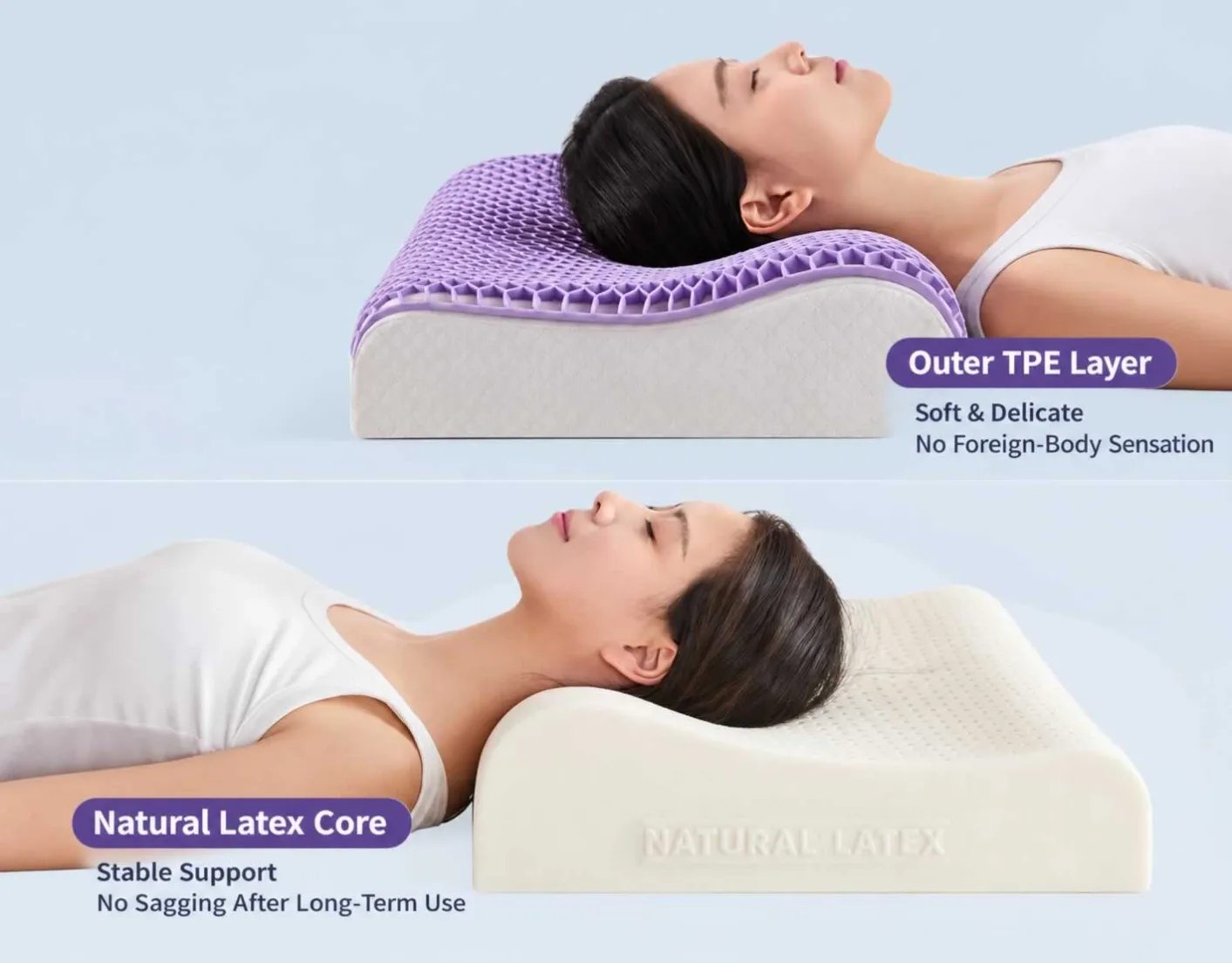
TPE Grid + Molded Memory Foam
The grid provides a responsive, open surface while memory foam retains its familiar contouring characteristics.
TPE Grid + Shredded Memory Foam
This combines an elastic grid surface with adjustable filling, creating opportunities for customizable hybrid pillows.
TPE Grid + Microfiber Filling
The microfiber provides soft, plush comfort while the grid adds a more structured surface.
Our current TPE Grid product platform already uses this hybrid approach across microfiber, shredded memory foam and foam constructions.
For product managers, the question therefore becomes less about:
“Should we replace memory foam?”
and more about:
“How could we upgrade our existing bestseller with a grid layer?”
A Visible Technology Creates a Stronger Product Story
Many internal pillow and mattress technologies are difficult for consumers to see.
One foam formulation may look almost identical to another.
Grid materials are different.
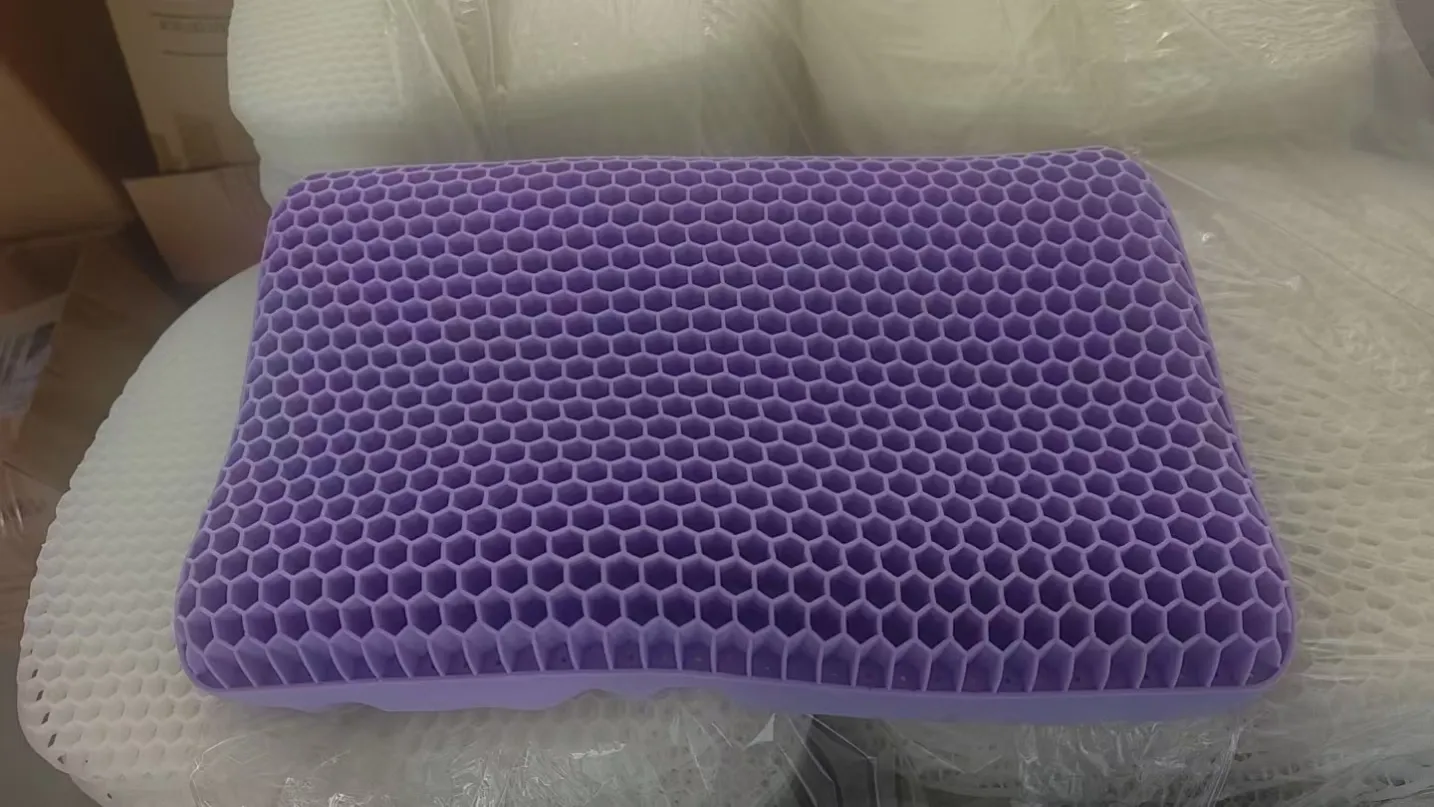
Honeycomb, square and other geometric structures are immediately recognizable.
Brands can demonstrate the technology through:
Product cutaways
Compression tests
Airflow demonstrations
Stretching videos
Transparent covers
Packaging diagrams
Retail displays
That visual difference matters.
A product feature that consumers can actually see and touch is often easier for marketing teams to communicate than an invisible change in foam formulation.
For brands, the grid can therefore become part of the product identity, not merely an internal component.
One Material Platform, Multiple Product Categories
Another reason grid materials are interesting is scalability across a sleep collection.
A brand might begin with one hybrid pillow.
If the concept performs well, the same material story can potentially expand into:
TPE Grid Pillow
A full-grid ergonomic comfort product.
TPE Grid + Memory Foam Pillow
An upgrade for existing foam collections.
TPE Grid + Microfiber Pillow
A softer hybrid comfort direction.
TPE Grid Mattress Topper
A larger comfort surface for mattress upgrades.
TPE Grid Mattress Layer
A component integrated into a hybrid mattress.
TPE Grid Sheet
A semi-finished component for manufacturers performing final assembly in their own factories.
TPE Grid sheets are particularly relevant for established manufacturers because they allow the buyer to retain control over foam production, sewing, assembly, branding and packaging.
This means a sleep brand can potentially build a Grid Technology Collection instead of launching one isolated SKU.
Customization Matters More Than Choosing a Material
Simply deciding to use TPE Grid is not enough.
The performance and commercial positioning of the final product depend on multiple engineering decisions.
Brands need to consider:
Grid thickness — Is the material a thin surface layer or a major comfort layer?
Firmness — How should it interact with the foam or filling underneath?
Grid geometry — Honeycomb, square and customized structures can create different product concepts.
Dimensions — Is the component designed for a pillow, topper or full mattress?
Color — Will the grid be hidden, or become part of the brand's visual identity?
Hybrid structure — Will it work with memory foam, microfiber, latex, air fiber or another material?
These decisions also affect weight, packaging, shipping cost and target retail price.
That is why TPE Grid development should be treated as a product-development project, not simply a material purchase.
Start with Your Existing Bestseller
For established sleep brands, the easiest entry point may already be in your catalog.
Look at your current bestselling:
Memory foam pillow.
Cooling pillow.
Ergonomic pillow.
Mattress topper.
Hybrid mattress.
Looking for a Grid Material Supplier for Your Next Sleep Product?
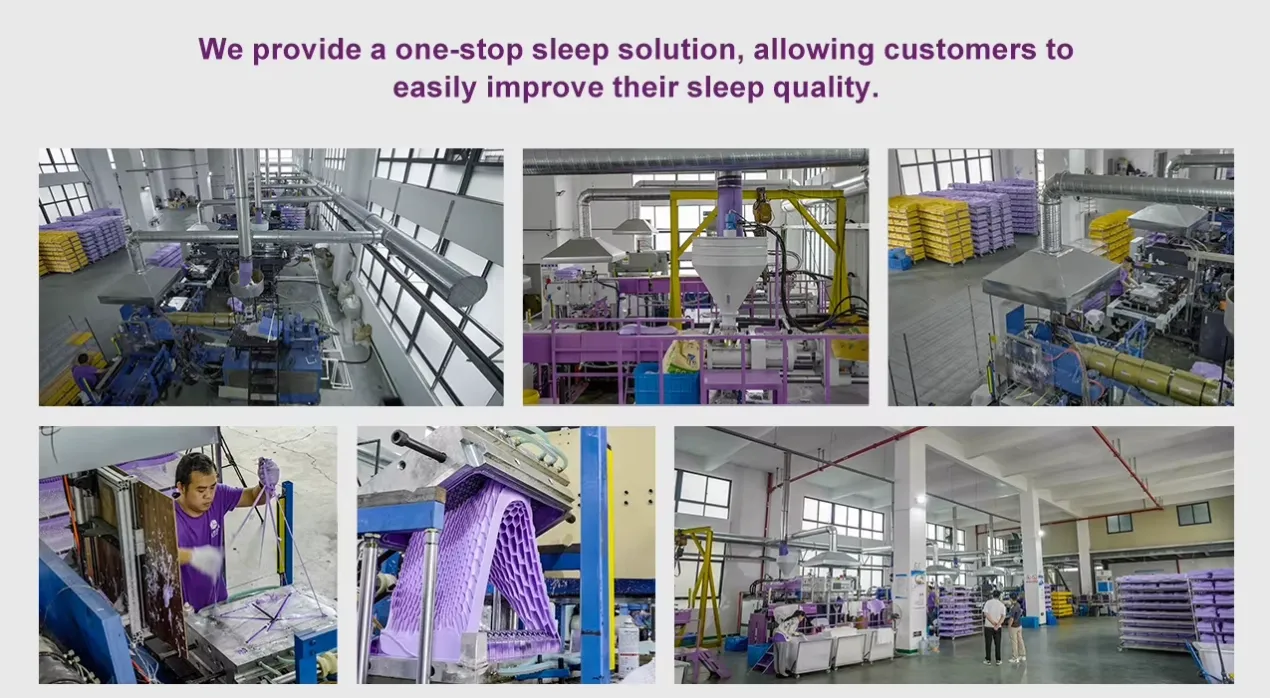
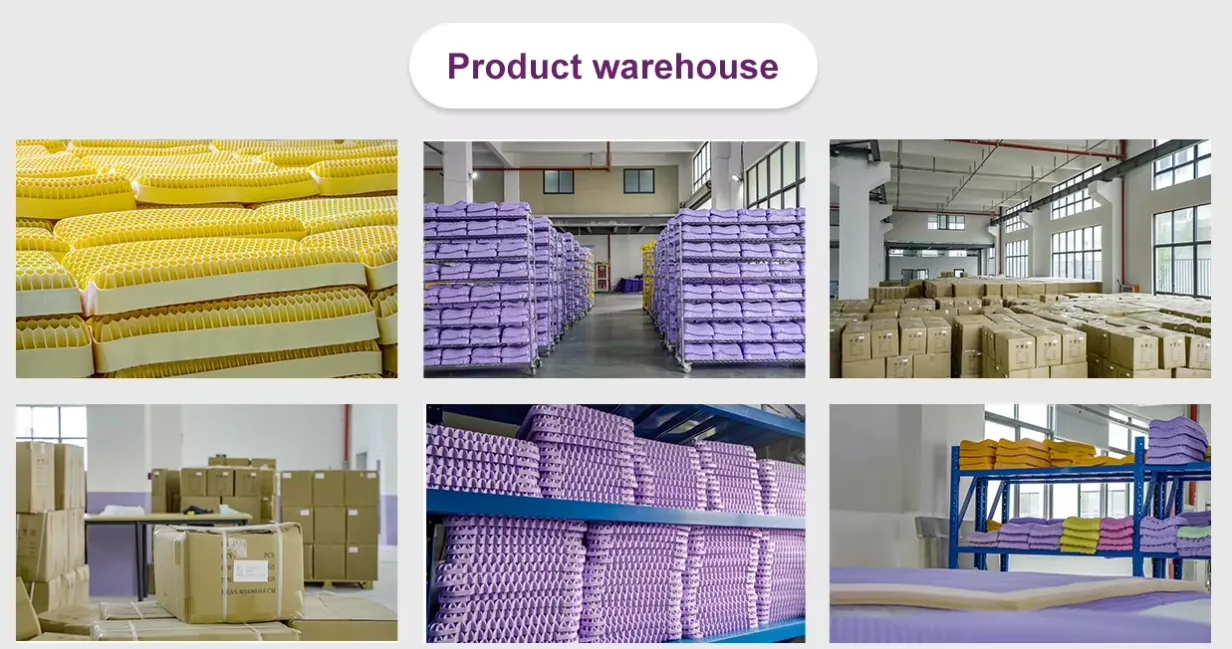
At TPE Grid Factory, we work with sleep brands, pillow manufacturers, mattress companies and product developers on customized TPE Grid applications. Our current capabilities include TPE Grid sheets, pillows, mattress toppers and hybrid products, with customization around dimensions, structure, color and private-label requirements.
You do not need to begin with a completely new product.
Start with what already sells. Then explore how TPE Grid could make the next version different.
If your company is developing a new pillow, mattress topper or hybrid mattress, send us your existing product dimensions, current material structure, preferred TPE thickness, target firmness and estimated quantity.
We can evaluate the application and recommend a suitable TPE Grid direction for sample testing and OEM development.