Oct 24, 2026new
Why Product Developers Are Exploring TPE Grid Sheets Beyond Pillows and Mattresses
Explore custom TPE Grid sheets for pillows, mattresses, cushions, backpack ventilation and new product development. Samples, multiple thicknesses and OEM solutions available.
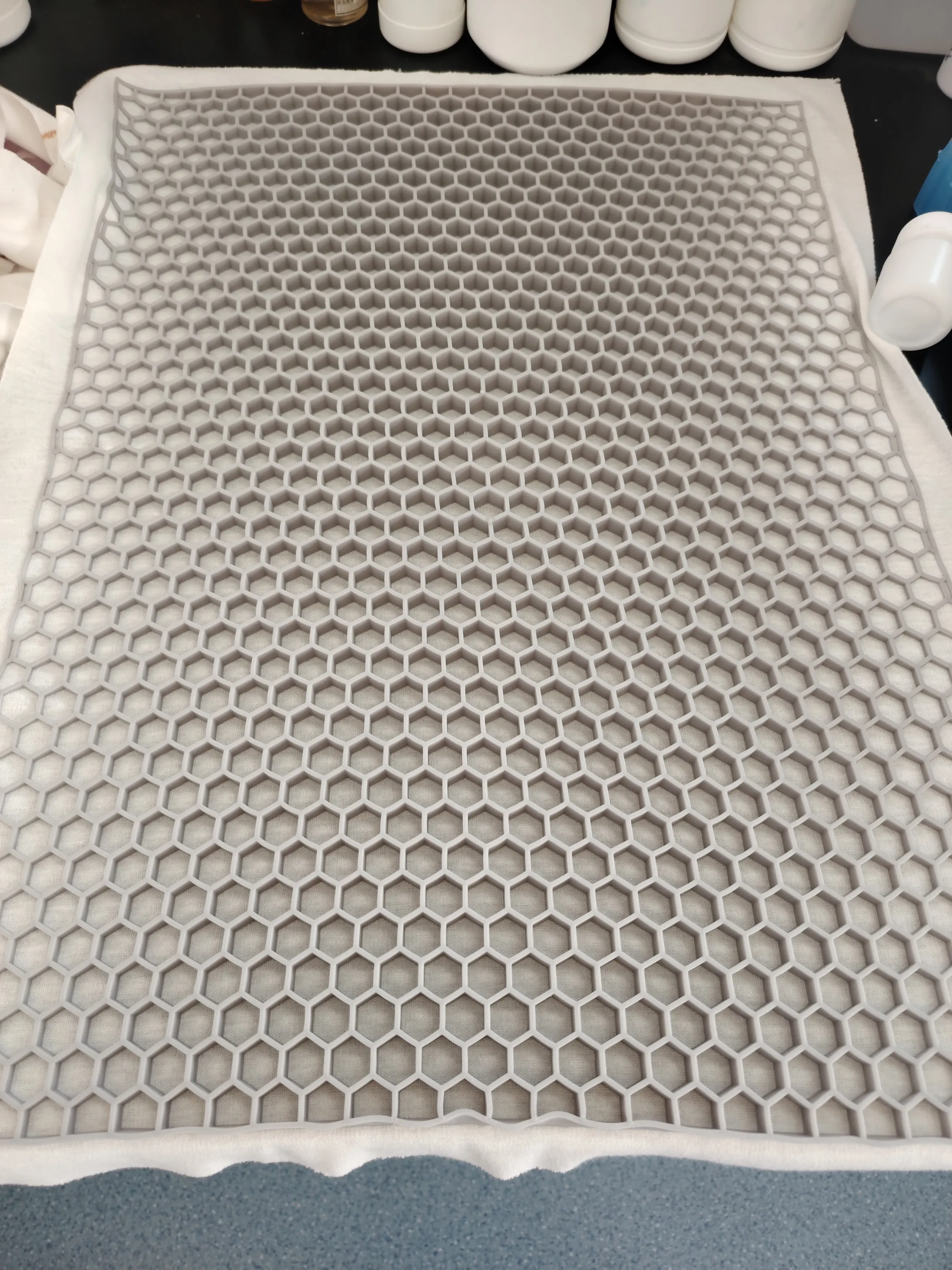
TPE Grid technology is becoming increasingly interesting not only to sleep brands, but also to product developers looking for flexible, breathable, and resilient cushioning materials for new applications.
Recently, we received an inquiry from a German product developer interested in a 70 × 45 × 1.2 cm TPE Grid Sheet. Instead of using it for a conventional pillow, the customer wanted to evaluate the material for a backpack ventilation concept.
The customer first requested a sample and wanted to understand key technical specifications such as sheet weight, Shore hardness, and available thicknesses before moving forward with product development.
This type of inquiry highlights an important opportunity: TPE Grid can be supplied as a material component, allowing brands and manufacturers to develop their own finished products.
What Is a TPE Grid Sheet?
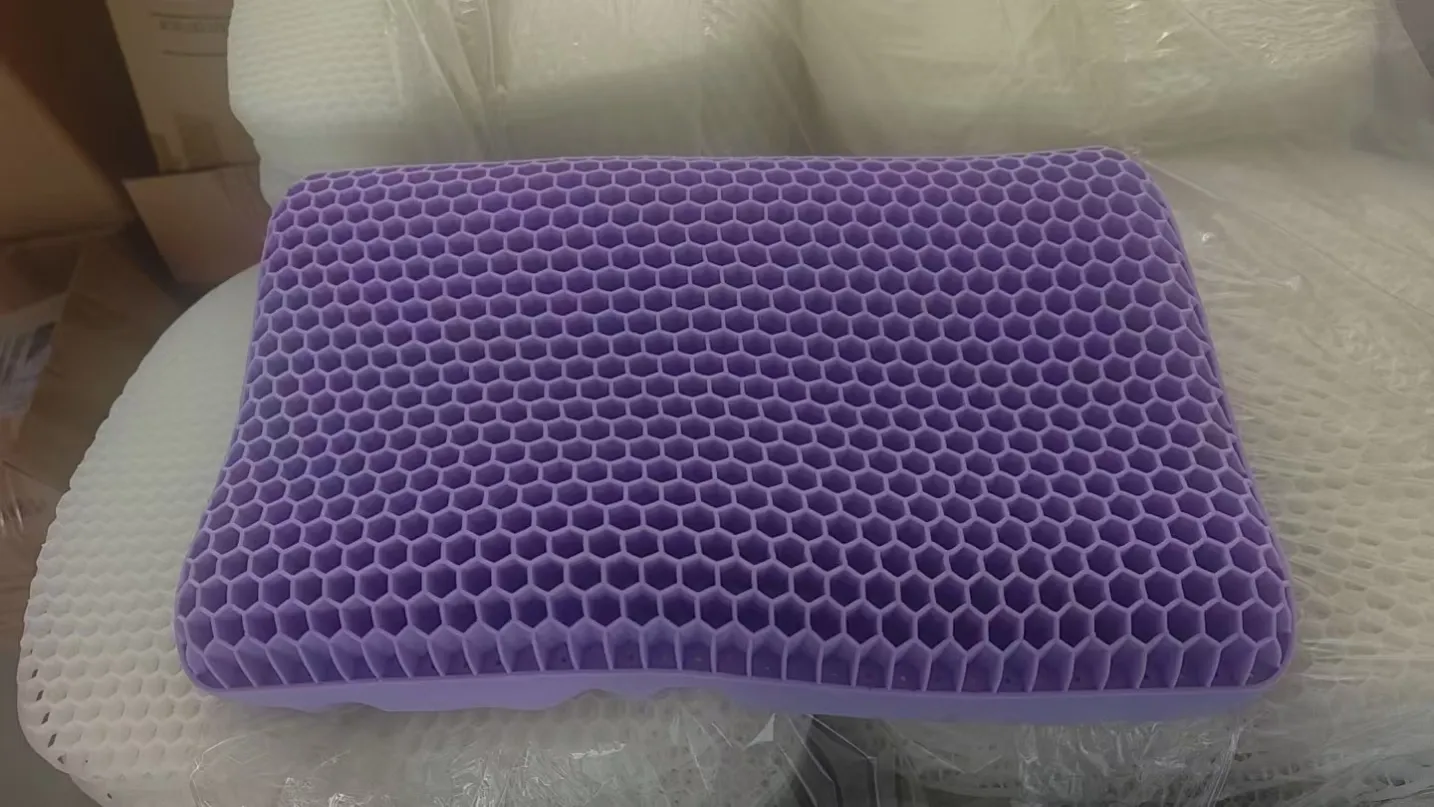
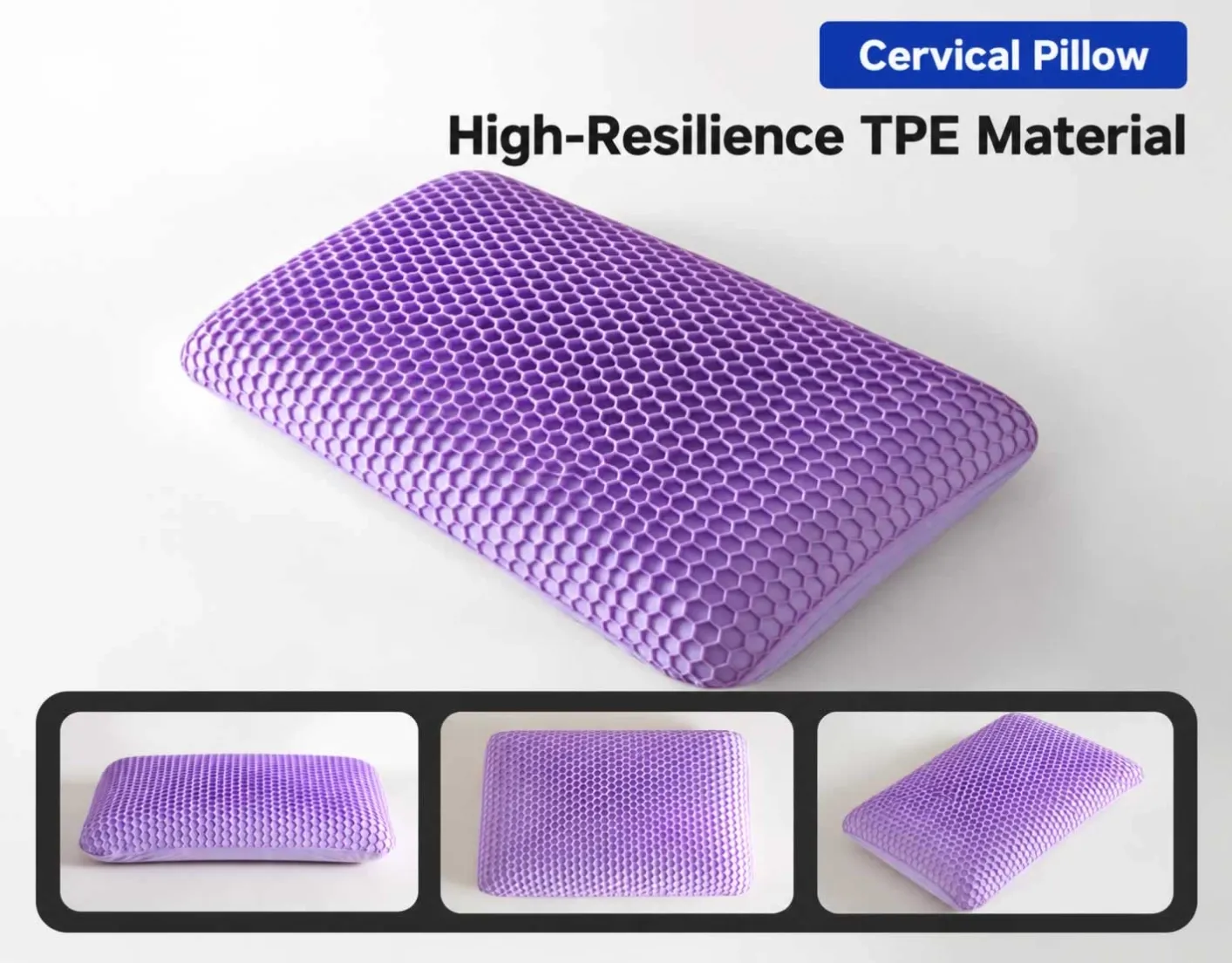
A TPE Grid Sheet is made from thermoplastic elastomer and engineered into a three-dimensional open-grid structure.
Unlike traditional solid foam, the grid contains open spaces throughout the material. This structure combines flexibility with ventilation while allowing the grid walls to deform under pressure and recover afterward.
For manufacturers, TPE Grid is therefore not limited to one finished product category.
It can be evaluated as a functional component for:
Pillows and ergonomic cushions
Mattress comfort layers
Mattress toppers
Seat and back cushions
Furniture applications
Backpack ventilation panels
Protective cushioning
Other customized comfort products
Why Are Product Developers Interested in TPE Grid?
1. Open Structure for Ventilation
Ventilation is important wherever a product remains in close contact with the human body.
Traditional solid foam can restrict airflow. In comparison, the open-grid construction of TPE creates physical channels through the material.
For a backpack application, for example, a TPE Grid panel could be evaluated between the backpack and the user's back to create spacing and airflow.
The same principle makes TPE Grid interesting for pillows, mattress toppers, seat cushions, and other applications where ventilation is part of the product design.
2. Flexible and Responsive Structure
TPE Grid is highly flexible and can deform under pressure rather than behaving like a rigid plastic component.
When the pressure is released, its elastic structure recovers toward its original shape.
This makes the material interesting for applications that require a combination of cushioning, flexibility, and repeated compression performance.
3. Different Thicknesses for Different Applications
One specification does not suit every product.
A thin TPE Grid layer may work as a surface or ventilation component, while a thicker grid can play a greater role in cushioning and support.
For this reason, B2B buyers often evaluate several parameters before selecting a material, including:
Sheet dimensions, grid height, total thickness, weight, Shore hardness, elasticity, grid pattern, and color.
The German inquiry for a 12 mm sheet is a good example of how customers can start with a specific material requirement and test whether it fits their application.
TPE Grid Sheets for Pillow Manufacturers
Sleep products remain one of the major applications for TPE Grid sheets.
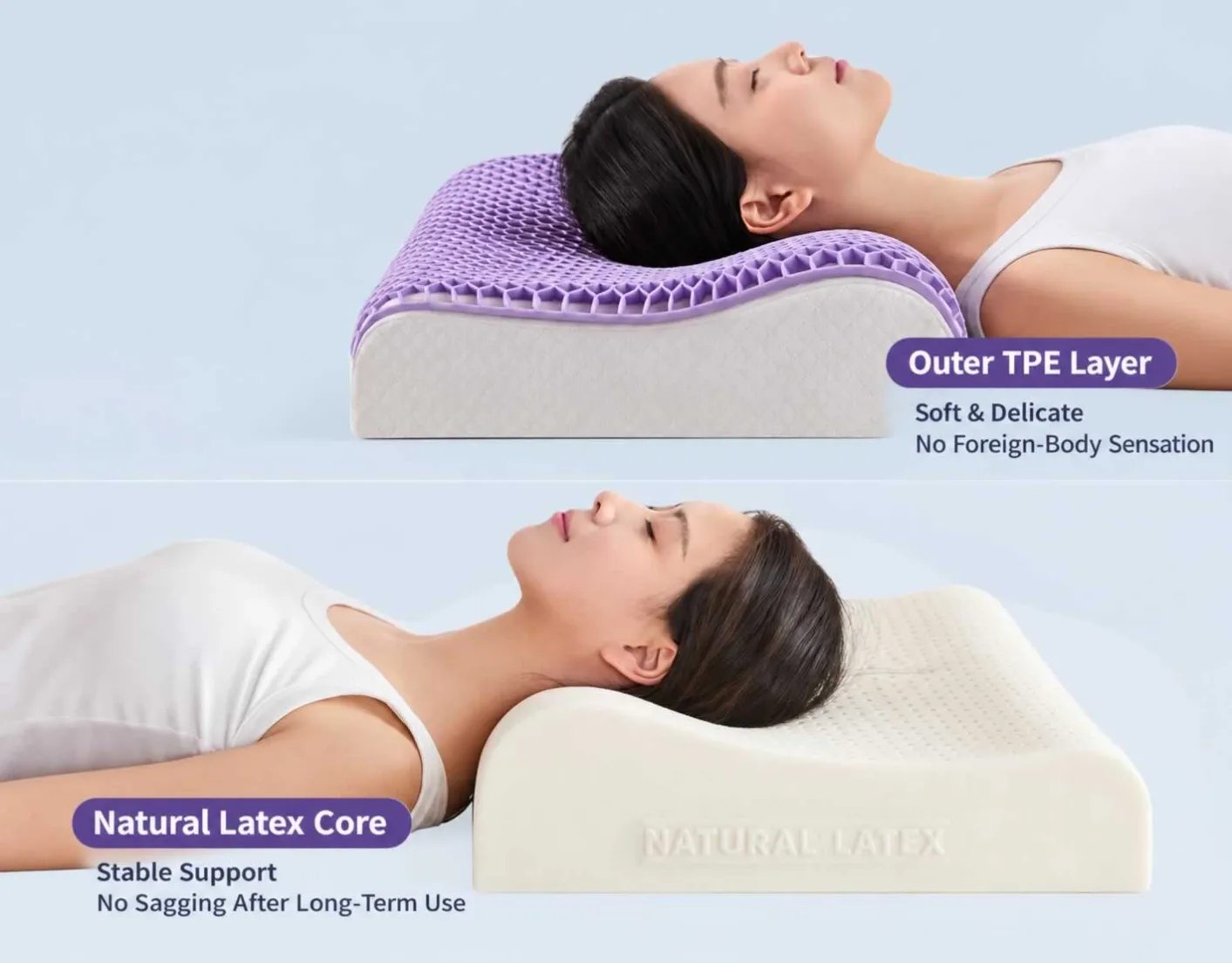
Pillow manufacturers can integrate TPE Grid with their existing:
Memory foam cores
Latex cores
Microfiber filling
Shredded memory foam
Ergonomic pillow structures
Instead of purchasing a complete finished pillow, manufacturers can source the TPE Grid component and perform final assembly in their own factories.
This is particularly suitable for established bedding manufacturers that want to maintain control over their existing foam, fabric, sewing, branding, and packaging supply chains.
TPE Grid Sheets for Mattress Manufacturers
The same component-supply model can be applied to mattresses.
TPE Grid sheets can be evaluated as comfort layers in memory foam, spring, latex, and hybrid mattress constructions.
For mattress factories, this creates an opportunity to upgrade an existing mattress platform with a new material instead of redesigning the complete production line.
Different thicknesses, grid structures, dimensions, and firmness characteristics can be evaluated according to the intended mattress construction.
Why Sampling Matters for New TPE Applications
When a customer is developing a completely new application, we recommend starting with material samples.
A physical sample allows the customer's engineering or product development team to evaluate:
Actual flexibility
Material weight
Compression behavior
Elastic recovery
Airflow structure
Surface feel
Cutting and assembly
Compatibility with other materials
This is particularly important because the performance of TPE Grid depends not only on the material formulation but also on grid geometry, thickness, wall structure, and final product construction.
A sample therefore provides much more useful information than specifications alone.
Custom TPE Grid Sheet Development
For B2B projects, TPE Grid sheets can be discussed according to the customer's application and manufacturing requirements.
Customization may include:
Sheet length and width
Grid height and thickness
Grid pattern
Firmness
TPE formulation
Color
Shape
Fabric integration
Cutting requirements
Packaging method
For new applications, customers can send us a drawing, prototype, existing product, or technical specification for evaluation.
Our team can then determine whether an existing TPE Grid structure is suitable or whether a customized solution should be considered.
More Than a Pillow Material
The German backpack ventilation inquiry demonstrates the wider potential of TPE Grid technology.
While TPE Grid is already suitable for pillows, mattress toppers, mattresses, and cushions, its combination of an open structure, elasticity, and flexible support creates opportunities for many other product categories.
For brands and manufacturers, the key advantage is that TPE Grid can be sourced as a semi-finished material component rather than only as a finished consumer product.
This gives product development teams greater freedom to integrate the technology into their own designs.
If you are developing a new product and looking for a TPE Grid Sheet supplier, send us your required dimensions, thickness, hardness or support requirements, intended application, and estimated quantity.
We can provide suitable TPE Grid samples and discuss customized material solutions for prototype testing and mass production.