Oct 24, 2026new
Why Mattress Manufacturers Are Looking for TPE Grid Suppliers for Their Next Product Upgrade
Looking for a TPE Grid supplier for mattress manufacturing? Explore custom TPE Grid sheets for memory foam, hybrid and spring mattresses, with sampling and OEM development support.
The mattress industry is moving beyond traditional combinations of PU foam, memory foam, latex and springs.
Recently, we received an inquiry from an established mattress and foam manufacturer in India that was specifically looking for a TPE Grid supplier for mattress development.
This type of inquiry reflects an interesting change in the bedding industry. Mattress manufacturers are not necessarily looking to replace their existing production systems. Instead, many are searching for new comfort materials that can be integrated into their current mattresses to create a more innovative and differentiated product line.
TPE Grid is becoming one of the materials being explored for this purpose.
What Is TPE Grid for Mattresses?
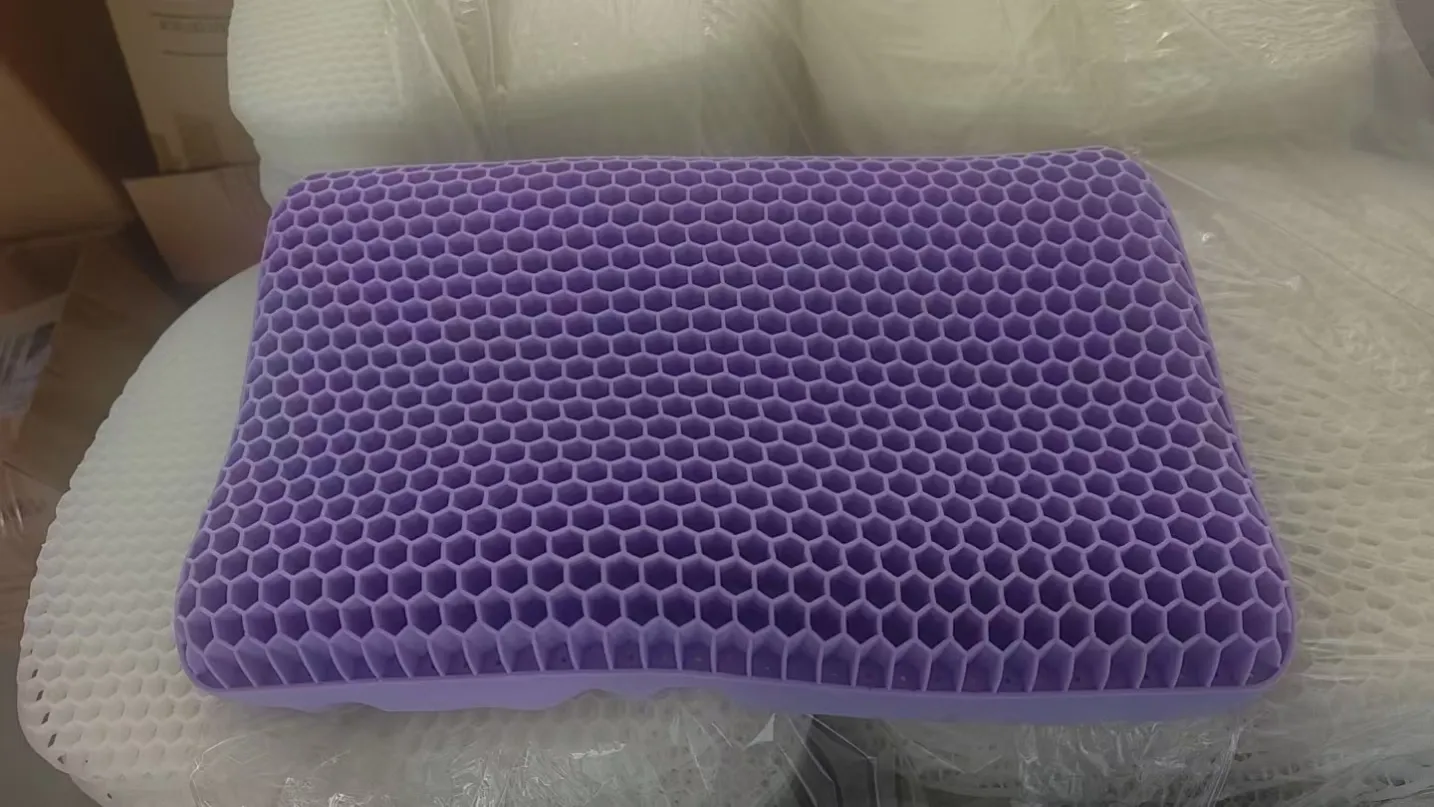
TPE Grid is a flexible thermoplastic elastomer structure engineered into an open three-dimensional grid.
Unlike conventional solid foam layers, the grid contains open air channels while the elastic walls compress independently under body pressure.
For mattress manufacturers, TPE Grid can be developed as:
Mattress comfort layer
TPE Grid mattress topper
Hybrid mattress component
Pressure-distribution layer
Breathable surface layer
Zoned support structure
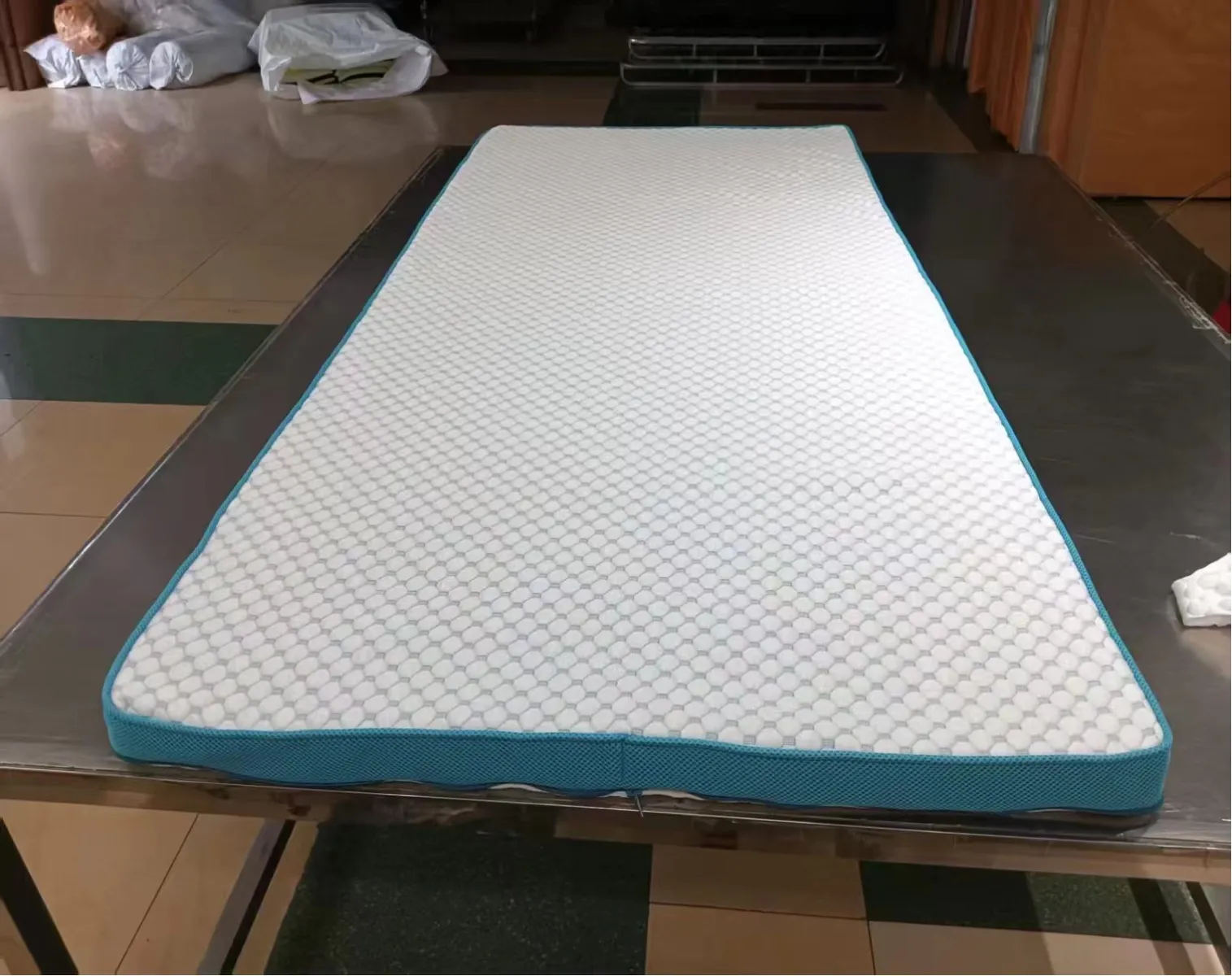
It can be supplied as a TPE Grid sheet, allowing mattress factories to integrate the material into their own production rather than purchasing a completely finished mattress.
Why Are Foam Mattress Manufacturers Interested?
1. Upgrade Existing Foam Mattresses
Many established manufacturers already have mature production capabilities for PU foam and memory foam.
Changing the complete mattress construction would require additional investment, testing and production adjustments.
TPE Grid offers another route.
A manufacturer can add a TPE Grid layer to an existing foam mattress and develop a new hybrid construction such as:
Cover + TPE Grid + Memory Foam + Support Foam
or
Cover + TPE Grid + Comfort Foam + Pocket Spring System
This allows manufacturers to continue using their existing production capabilities while introducing a new material technology.
2. Create Better Product Differentiation
The mattress market is crowded with products using similar descriptions:
Memory Foam.
High-Density Foam.
Cooling Foam.
Pocket Springs.
Latex.
For brands, it can be difficult to explain why one mattress is fundamentally different from another.
A visible TPE Grid layer creates a distinctive material story.
The grid structure can be demonstrated through product photography, cross-section displays, showroom samples and videos, giving sales teams a tangible feature to explain to customers.
Instead of competing only on mattress thickness or foam density, manufacturers can create a new premium category around hybrid TPE Grid technology.
3. Open Structure for Mattress Ventilation
One of the most noticeable structural differences between TPE Grid and conventional foam is the open grid.
Traditional foam is predominantly solid, whereas TPE Grid contains numerous interconnected spaces.
These channels provide room for air movement through the comfort layer, making TPE Grid particularly interesting for manufacturers developing breathable and temperature-conscious mattress constructions.
The cooling performance of a finished mattress will still depend on the complete system — including fabrics, foam layers, room conditions and mattress design — but an open grid provides manufacturers with another engineering option when airflow is a development priority.
4. Responsive Elastic Support
Memory foam is well known for its slow-response, contouring characteristics.
TPE Grid behaves differently.
Its elastic walls respond rapidly to pressure and recover when the load is removed. This gives product developers an opportunity to combine different comfort characteristics in one mattress.
For example:
Memory Foam: contouring and slow-rebound comfort
TPE Grid: responsive elasticity and localized compression
Support Foam or Springs: deeper structural support
Rather than asking which material is better, mattress engineers can use each material for a different function.
TPE Grid + Memory Foam: A Practical Hybrid Direction
For manufacturers already producing memory foam mattresses, one of the most practical applications is a TPE Grid + Memory Foam hybrid mattress.
The existing foam structure does not need to disappear.
Instead, TPE Grid can become an additional comfort layer that helps create a different surface feel and a stronger premium positioning.
This approach is particularly suitable for:
- Memory foam mattress manufacturers
- PU foam manufacturers
- Hybrid mattress brands
- Pocket spring mattress factories
- Bedding manufacturers
- Mattress OEM/ODM companies
-
It also provides a relatively practical route for testing TPE technology before developing a completely new mattress platform.
Different TPE Grid Thicknesses for Mattress Development
TPE Grid mattress layers can be developed in different thicknesses according to the desired product structure.
A thinner layer can be evaluated as a surface comfort upgrade, while a thicker grid has a greater influence on cushioning and overall mattress feel.
When selecting a TPE Grid sheet, manufacturers should consider:
- Mattress dimensions
- Grid thickness
- Grid height
- Firmness
- TPE hardness
- Grid geometry
- Material weight
- Position inside the mattress
- Foam or spring structure underneath
- Target retail positioning
There is no single specification suitable for every mattress.
This is why sampling and prototype testing are important before mass production.
TPE Grid Sheets for Local Mattress Production
For established mattress manufacturers, purchasing finished TPE mattresses may not be necessary.
We can supply TPE Grid mattress sheets as components, allowing customers to perform the remaining manufacturing processes in their own factories.
This model allows manufacturers to maintain control over:
Foam formulation
Spring systems
Mattress dimensions
Fabric and quilting
Assembly
Branding
Packaging
Final quality inspection
TPE Grid becomes one component within the manufacturer's existing supply chain.
This is particularly valuable for factories that already have strong local manufacturing capabilities but are looking internationally for innovative materials.
Start with TPE Grid Samples and Prototype Testing
For a new mattress project, we recommend beginning with samples rather than immediately committing to mass production.
The customer's R&D team can combine the TPE Grid with its existing foam or spring construction and evaluate:
Surface feel
Firmness
Elastic response
Pressure distribution
Airflow structure
Overall mattress height
Material compatibility
Assembly method
Specifications can then be adjusted according to the prototype results.
This development process helps manufacturers create a TPE Grid mattress that fits their own brand positioning rather than simply copying an existing product.
Looking for a TPE Grid Supplier for Your Mattress Factory?
The recent inquiry from India represents a broader trend we are seeing from international mattress manufacturers: companies with established foam and mattress production capabilities are beginning to explore TPE Grid as a new comfort material.
For these manufacturers, TPE Grid does not need to replace memory foam, PU foam, latex or springs.
It can become another engineering tool for developing the next generation of hybrid mattresses.
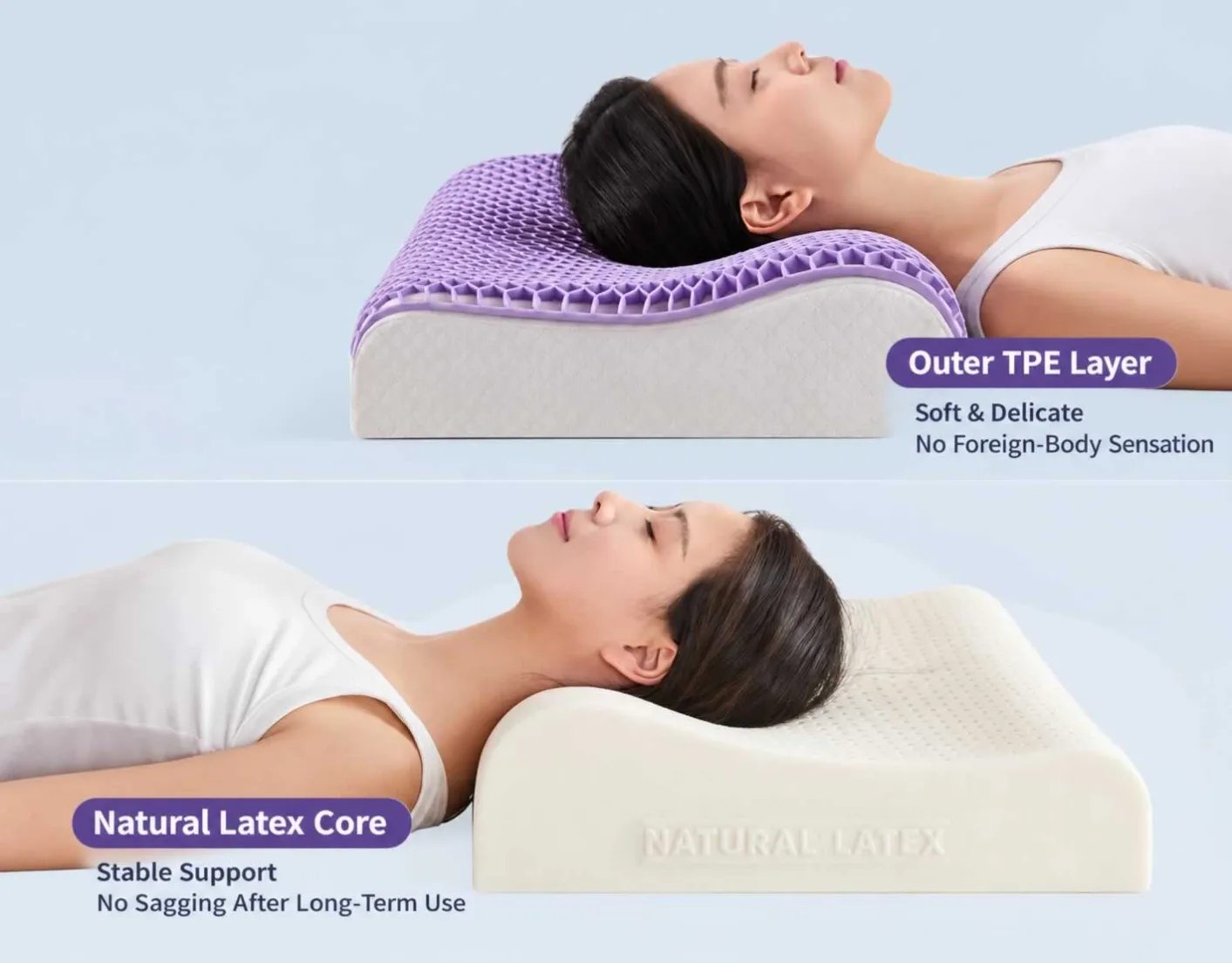
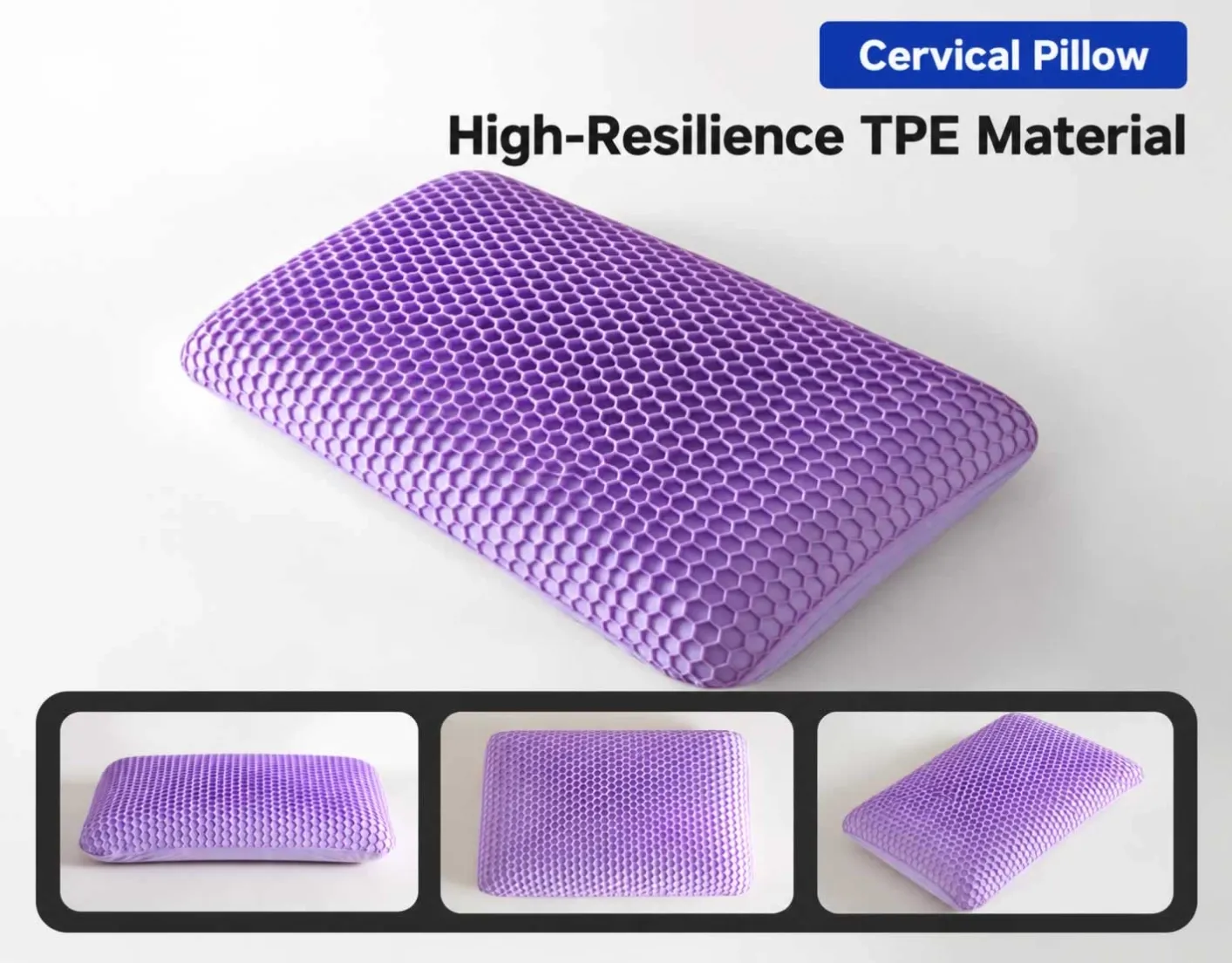
We supply TPE Grid mattress sheets, TPE Grid mattress toppers, TPE pillow components and customized TPE Grid solutions for mattress manufacturers, bedding brands and sleep-product developers.
If your company is developing a new mattress collection, send us your mattress dimensions, current layer structure, preferred TPE thickness, target firmness and estimated quantity.
Our team can recommend suitable TPE Grid options for sampling, prototype development and mass production.