Oct 24, 2026new
What New Pillow Materials Should Brands Consider for 2027 Sleep Collections?
As pillow brands begin planning their 2027 sleep collections, product development is moving beyond simply choosing between memory foam, latex and microfiber.
Consumers increasingly expect pillows to provide multiple benefits at the same time: better airflow, pressure relief, ergonomic support, temperature regulation and long-term durability.
For brands, retailers and distributors, this creates an important sourcing question:
What pillow materials and constructions should we consider for our 2027 product line?
Traditional memory foam will remain an important category, but brands looking for stronger differentiation can now combine familiar materials with new comfort structures and temperature-management technologies.
Here are several pillow material directions worth evaluating for 2027.
1. TPE Grid: An Open-Structure Alternative to Solid Foam
One material gaining attention in sleep product development is TPE Grid.
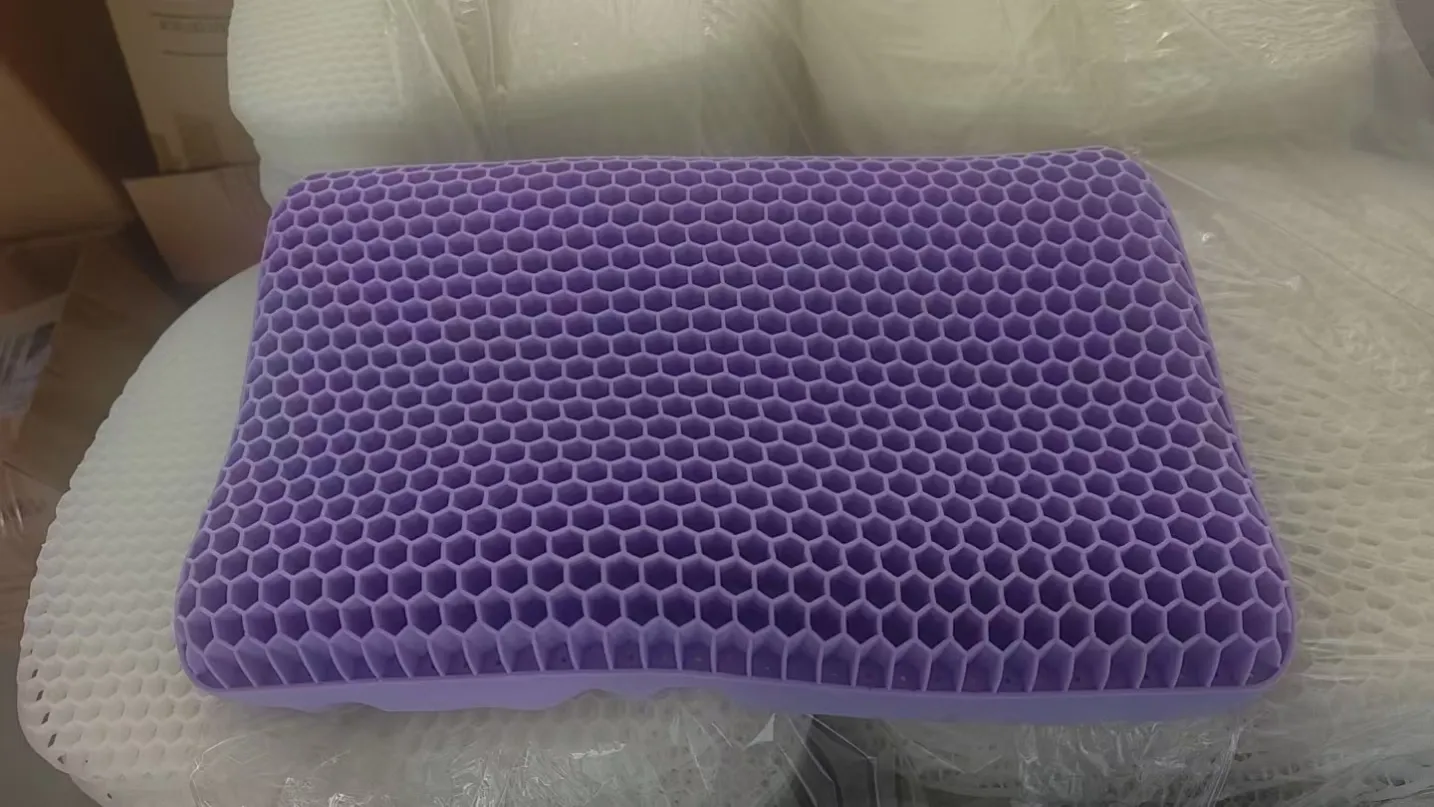
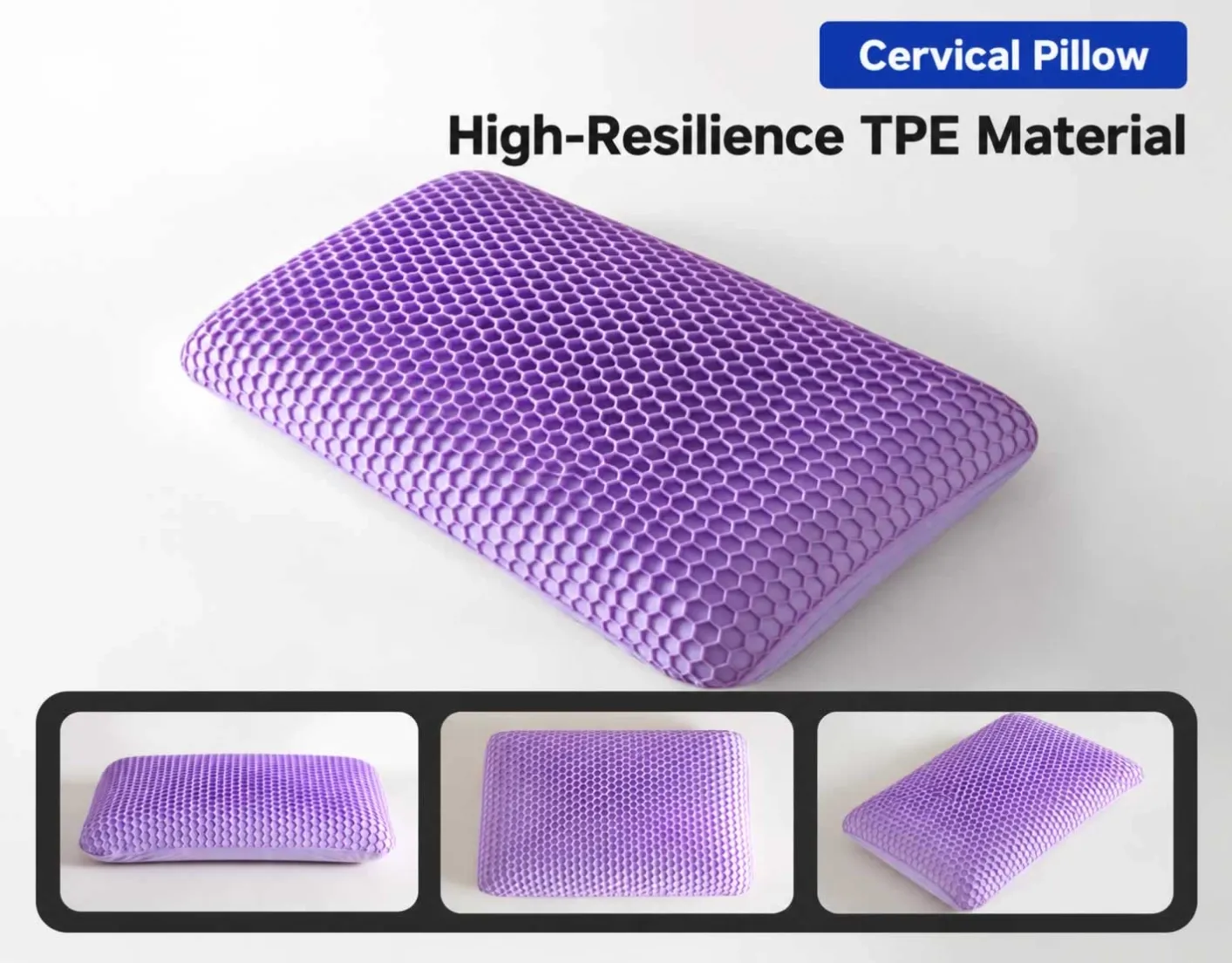
Unlike traditional solid memory foam, TPE Grid uses a flexible three-dimensional open structure with multiple airflow channels.
The grid compresses under pressure and rebounds after the pressure is removed, allowing manufacturers to combine support, flexibility and ventilation in one comfort layer.
For pillow brands, TPE Grid can be used in several ways:
- Full TPE Grid pillows
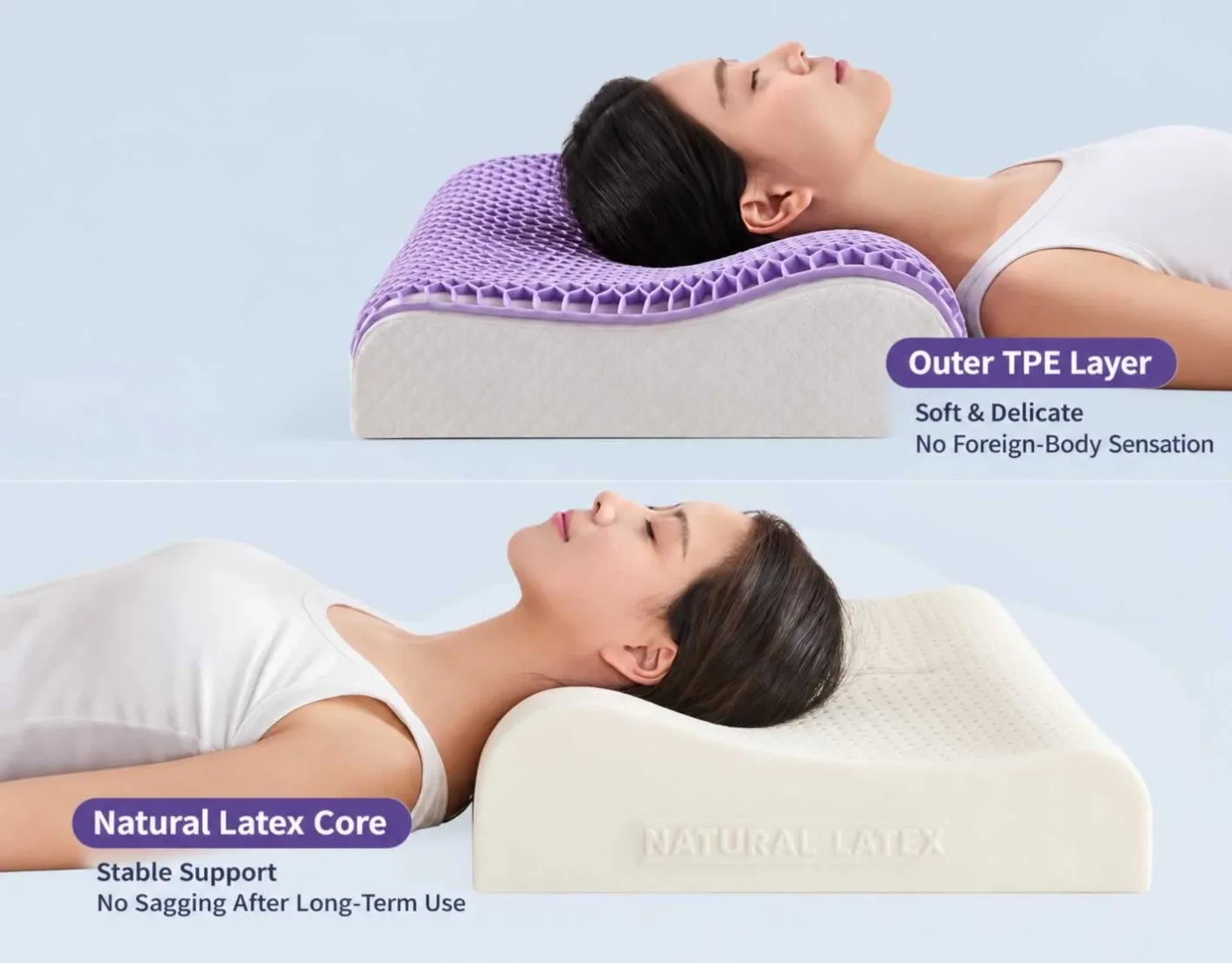
- TPE Grid + memory foam pillows
- TPE Grid + microfiber pillows
- Ergonomic contour pillows
- Cooling pillow comfort layers
Its biggest advantage for product development is differentiation.
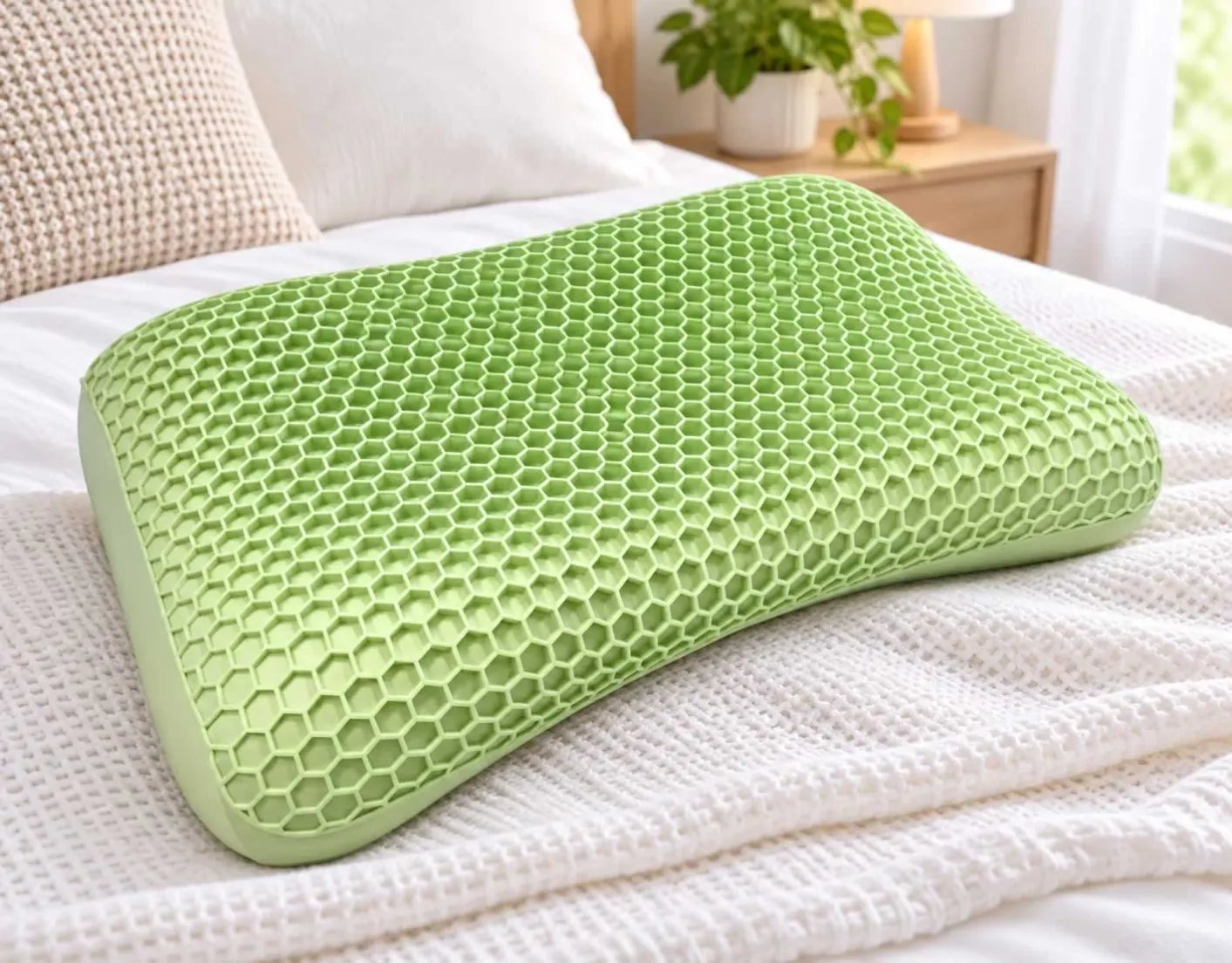
Most consumers have already seen many similar memory foam and gel pillows. A visible grid structure creates a different product appearance while also providing a clear airflow story.
For brands planning premium or innovative pillow collections for 2027, this can make TPE Grid especially interesting.
2. Hybrid TPE Grid + Memory Foam
The next generation of pillows does not necessarily require brands to abandon memory foam.
Instead, hybrid construction may become increasingly important.
Memory foam provides contouring and pressure relief, while an open TPE Grid layer can add airflow and a different surface response.
The construction can be:
TPE Grid comfort layer + Memory Foam support core
This approach is particularly suitable for existing memory foam brands.
Instead of creating an entirely new product platform, brands can upgrade an existing pillow concept with a breathable comfort layer.
It can also create a stronger marketing position:
Memory foam comfort with improved airflow and grid support.
For OEM buyers, hybrid development provides more flexibility because grid thickness, foam density, pillow height and firmness can all be adjusted.
3. Phase Change Material Covers
Not every innovation needs to happen inside the pillow.
Phase Change Material (PCM) fabrics are another option for brands developing temperature-regulating sleep products.
PCM technology is commonly incorporated into pillow covers to absorb and release heat as temperature changes.
For brands, PCM can be especially useful when combined with a breathable internal pillow structure.
For example:
PCM Cooling Cover + TPE Grid + Memory Foam
This creates multiple temperature-management layers instead of relying on one cooling feature.
For 2027 collections, brands may want to think less about a single “cooling material” and more about designing a complete cooling system.
4. Aerated and Ventilated Latex
Latex remains another strong material for premium pillow development.
Its resilient feel, support and durability make it suitable for consumers who do not prefer the slow sinking sensation of traditional memory foam.
Manufacturers can also use ventilation holes or aerated structures to improve airflow.
For brands, latex may work particularly well in:
- Premium natural-feel collections
- Ergonomic pillows
- High-rebound pillows
- Breathable sleep products
However, material cost, product weight and target retail price should all be considered before developing a latex-based collection.
5. Open-Cell and Ventilated Memory Foam
Memory foam itself continues to evolve.
Brands that want to stay within the traditional foam category can evaluate open-cell foam, perforated foam and ventilated memory foam structures.
These designs create more space for airflow compared with a completely dense foam block.
They can also be combined with cooling fabrics, PCM covers or breathable grid layers.
This means the question for 2027 is not necessarily:
“Should we stop using memory foam?”
A better question is:
“How can we improve the traditional memory foam pillow?”
For many established brands, upgrading a proven product may carry less commercial risk than replacing it entirely.
6. Shredded and Adjustable Pillow Fill
Adjustability is another useful direction for future pillow collections.
Shredded memory foam, microfiber and mixed fillings allow consumers to change pillow height by removing or adding fill.
For brands selling online, adjustable loft can help one pillow address a wider range of sleepers.
Hybrid concepts can also combine:
TPE Grid surface + shredded memory foam filling
or
TPE Grid surface + microfiber filling.
These constructions give brands another way to combine airflow with a familiar soft pillow feel.
What Should Brands Prioritize for 2027?
The most important development may not be one single new material.
Instead, the opportunity lies in combining different technologies according to the problem the product is designed to solve.
For example:
For hot sleepers:
Breathable grid + cooling cover
For memory foam brands:
TPE Grid + memory foam
For ergonomic collections:
Zoned grid structure + contoured support
For premium cooling products:
PCM cover + breathable internal structure
For softer pillows:
TPE Grid + microfiber or shredded foam
This gives brands more meaningful product differentiation than simply introducing another standard pillow in a new color.
What Should You Ask a Pillow Manufacturer?
Before developing a 2027 collection, brands should ask suppliers about more than unit price.
Important questions include:
- Can the pillow structure be customized?
- Can firmness be adjusted?
- What grid thicknesses are available?
- Can TPE be combined with memory foam?
- Are custom colors available?
- What cooling cover options are available?
- Can we add our own logo?
- Is private label packaging available?
- Can we test samples before bulk production?
- What MOQ is required for custom development?
A manufacturer that can combine different materials is often more useful than one offering only a fixed finished pillow.
Start Developing 2027 Pillow Collections Early
New sleep products require time for sample development, comfort testing, packaging design and market evaluation.
For brands planning a 2027 pillow collection, starting material evaluation early makes it easier to test different constructions before deciding which product should move into bulk production.
TPE Grid is particularly suitable for brands looking for a new direction beyond standard memory foam and cooling gel.
It can be developed as a full TPE pillow or combined with memory foam, microfiber and cooling fabrics to create a differentiated hybrid sleep product.
Looking for New Pillow Materials for Your 2027 Collection?
We support OEM and private label development for:
TPE Grid Pillows | TPE + Memory Foam Pillows | TPE + Microfiber Pillows | Ergonomic TPE Pillows | TPE Grid Sheets | Mattress Comfort Layers
Custom grid structures, firmness, sizes, colors, covers, logo labels and retail packaging are available.
If your brand is planning a new cooling pillow, ergonomic pillow or hybrid pillow collection for 2027, we can develop samples based on your target comfort level, product positioning and market.
Contact us for material samples, pillow prototypes, MOQ and wholesale pricing for your 2027 collection.