Oct 24, 2026new
TPE Grid Mattress Technology: A Product Development Guide for Brands and Manufacturers
Explore TPE grid mattress sheets, toppers and custom comfort layers for mattress brands and manufacturers. Learn about airflow, support, OEM options and sample development.
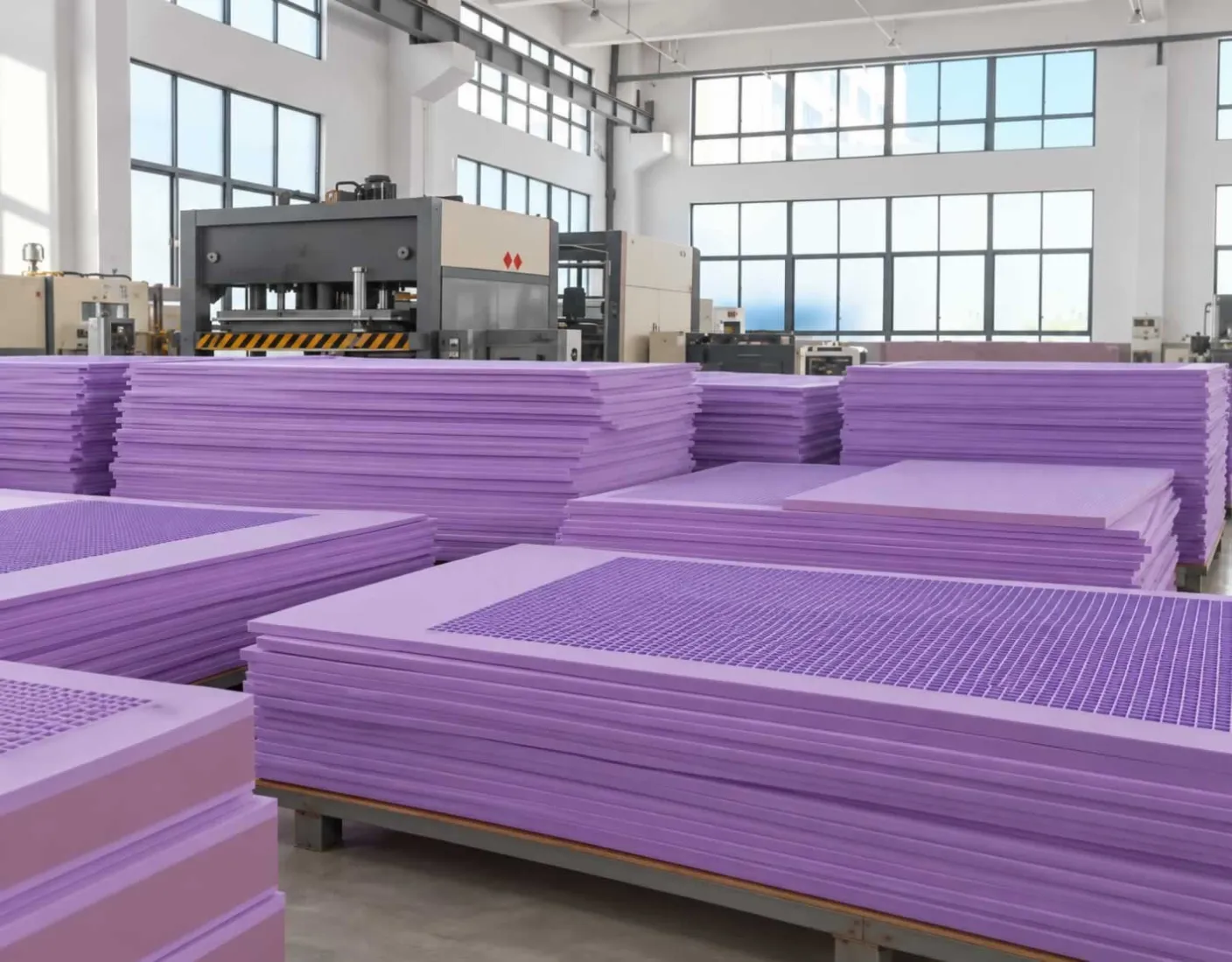
TPE grid technology gives mattress brands and manufacturers a new way to develop breathable, responsive and visually differentiated sleep products.
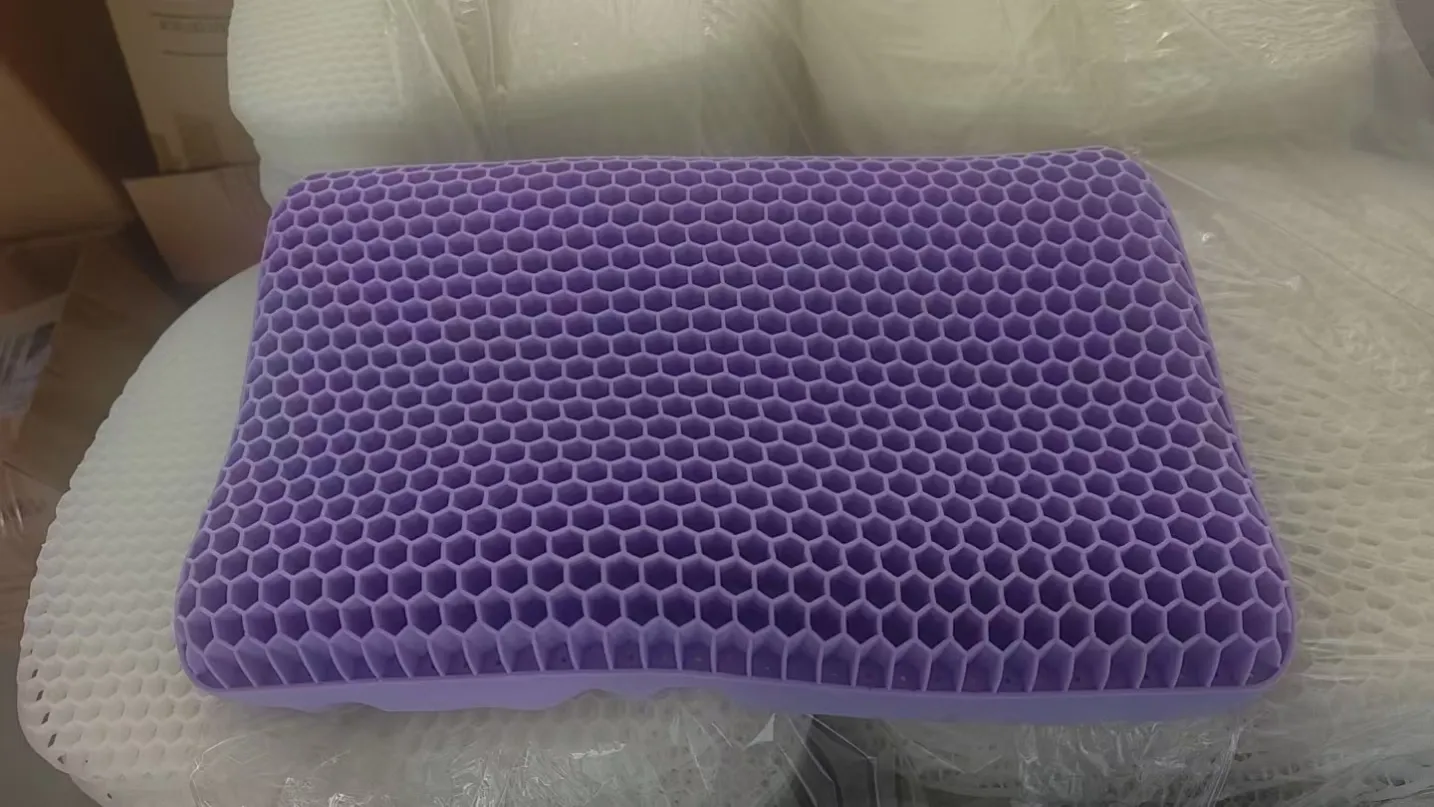
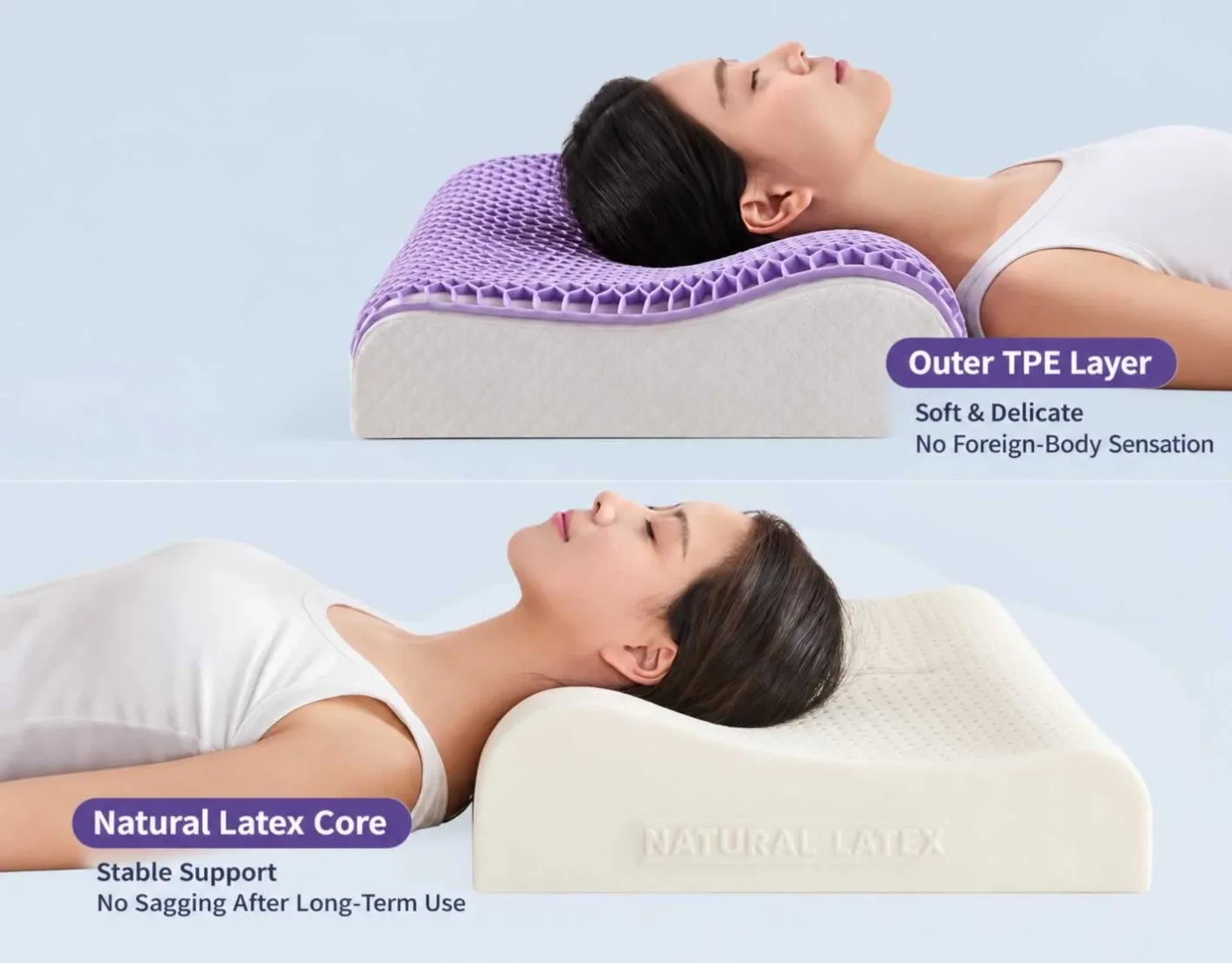
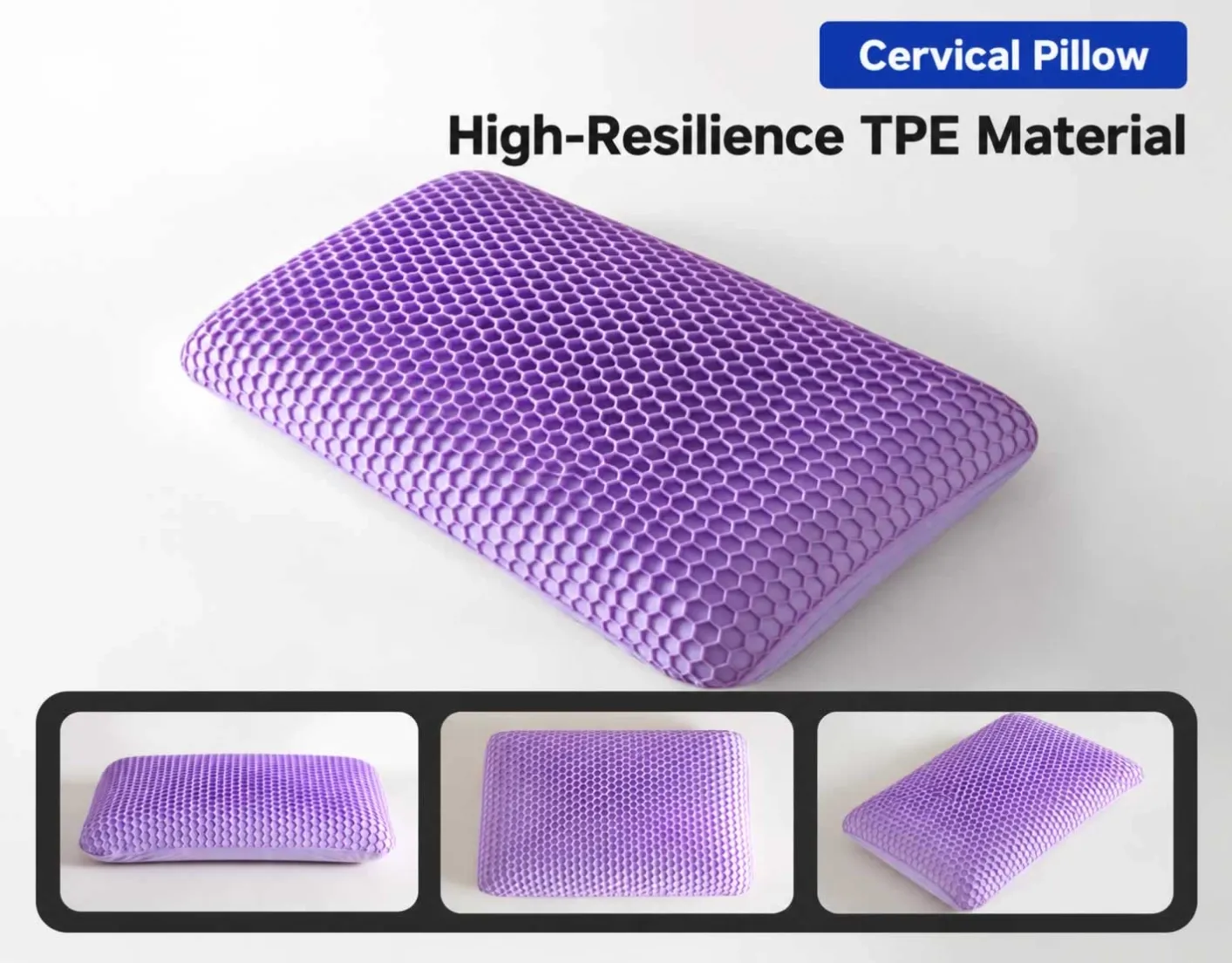
Instead of using another solid foam layer, a TPE grid introduces a flexible three-dimensional structure with open airflow channels. It can be manufactured as a removable mattress topper, integrated into a hybrid mattress or supplied as an individual sheet for assembly at the customer’s factory.
TPE Grid Factory develops customized TPE mattress components and finished products for bedding brands, mattress factories, wholesalers, importers and private-label retailers.
This guide explains how TPE grid mattress technology works, which product formats are available and what buyers should consider before requesting samples or wholesale pricing.
What Is a TPE Grid Mattress?
TPE stands for thermoplastic elastomer. It is a flexible material that can be molded into grid, honeycomb and other engineered structures.
When pressure is applied, the grid walls bend and compress. After the load is removed, the elastic structure recovers toward its original shape.
A TPE grid mattress does not necessarily mean that the complete mattress is made from TPE. In most commercial applications, the grid is used as one functional layer within a broader mattress system.
It may be combined with:
- Pocket springs
- Polyurethane foam
- Memory foam
- Latex
- Fiber layers
- Temperature-management materials
- Breathable fabrics
The final comfort depends on how these materials work together.
TPE Grid Mattress, Topper or Sheet: What Is the Difference?
B2B buyers should clearly identify which product format they need.
Complete TPE grid mattress
A complete mattress includes a TPE grid as part of a multilayer construction. The manufacturer combines the grid with support materials, covers and other comfort layers to create a finished retail product.
TPE grid mattress topper
A topper is placed over an existing mattress to change its surface comfort. It can include a TPE layer, foam base, removable cover and private-label packaging.
This format is suitable for brands seeking a retail-ready sleep upgrade product without developing a complete mattress.
TPE grid mattress sheet
A grid sheet is the individual TPE component without a finished mattress construction.
Mattress manufacturers can purchase the sheet and combine it with their own springs, foam, latex, fabrics and production processes. This option is especially useful for factories that already have established mattress assembly capabilities.
Why Are Mattress Brands Exploring TPE Grid Technology?
Open structure for airflow
The spaces inside the grid create airflow channels across the comfort layer. This can support the development of a more breathable mattress construction compared with using only dense, solid layers.
A TPE grid does not generate cold air by itself. Its cooling-related value comes primarily from its open physical structure.
The final thermal performance also depends on the cover, quilting, foam, protective layers and overall mattress design. Brands should test the complete finished product before making specific cooling claims.
Responsive surface support
Different sections of the grid can compress independently under the body. Areas carrying more pressure may deform more deeply, while surrounding sections continue to provide support.
The resulting feel can be more responsive than slow-recovery materials. However, the exact experience depends on the TPE formula, grid geometry and materials placed above and below the sheet.
Adjustable comfort
TPE grid performance can be modified through:
- Material softness
- Grid height
- Cell shape and size
- Wall thickness
- Structural density
- Support zoning
- Product weight
This allows a manufacturer to develop different comfort levels rather than using one standard structure for every mattress.
Visible product differentiation
Many mattresses look similar from the outside. A TPE grid gives brands a material feature that can be shown in cutaway displays, product videos, showroom samples and online marketing.
For premium collections, the grid can become part of the product identity instead of remaining an invisible internal filling.
What Can Be Customized?
TPE Grid Factory supports OEM and ODM development according to the customer’s mattress structure and target market.
Customization may include:
- Sheet length and width
- Grid thickness
- Material softness and resilience
- Grid pattern
- Cell density
- Wall thickness
- Single-zone or multi-zone support
- Product color
- Edge design
- Combination with foam
- Fabric cover
- Logo and private labeling
- Retail and export packaging
-
Available mattress sheet sizes include common single and double-bed formats, while customized dimensions can be evaluated for specific projects.
A standard structure can normally be sampled more quickly. An exclusive pattern, unusual dimension or proprietary support design may require new tooling.
How Can Manufacturers Integrate a TPE Grid?
The correct layer position depends on the intended mattress feel.
Placing the grid near the sleeping surface makes its responsive character more noticeable. Adding thicker foam or quilting above it may create a softer initial feel, but it may also reduce the direct sensation and airflow benefits of the grid.
Possible constructions include:
- TPE grid over a foam support core
- TPE grid above pocket springs
- TPE grid combined with latex
- TPE grid inside a removable topper
- TPE grid used only in selected mattress zones
- TPE grid supplied as an interchangeable comfort layer
Before bulk production, the customer should evaluate the complete mattress rather than testing the TPE sheet alone.
Important evaluation points include comfort, layer movement, dimensional fit, compression recovery, noise, cover compatibility and performance after packaging.
What Should Buyers Test?
Product claims should be based on the exact finished construction.
Depending on the target market, buyers may evaluate:
- Repeated compression
- Hardness and firmness
- Dimensional stability
- Recovery after prolonged loading
- Tensile and tear performance
- Material composition
- Restricted substances
- Airflow or thermal performance
- Odor
- Packaging recovery
- Finished-product durability
If the mattress will be sold with claims about pressure relief, spinal alignment, cooling, hygiene or long service life, appropriate third-party testing may be required.
Buyers should request current documents that apply to the specific material and product being purchased.
Sample Development and Production Process
A typical OEM project follows these stages:
- Review the product brief
- Select an existing structure or develop a new design
- Confirm preliminary specifications
- Produce a TPE grid sample
- Integrate it into the customer’s mattress construction
- Evaluate comfort and technical performance
- Adjust the specification if necessary
- Confirm packaging and labeling
- Approve a pilot order
- Begin mass production
Starting with samples helps the brand verify the construction before investing in a larger wholesale order.
Who Should Source TPE Grid Mattress Components?
TPE grid sheets and toppers are suitable for:
- Mattress manufacturers
- Bedding brands
- Sleep-technology companies
- Mattress topper wholesalers
- Furniture factories
- Hotel bedding suppliers
- Importers and distributors
- Private-label retailers
- Product-development companies
-
Customers with their own factories can purchase only the TPE component. Buyers seeking a finished retail product can discuss complete toppers with covers, labels and packaging.
Request a TPE Grid Mattress Sample
TPE Grid Factory, operated by LinHai YiBai Trading Co., Ltd. in Zhejiang, China, develops TPE grid sheets, mattress toppers, pillows and ergonomic comfort products for international B2B customers.
We support material development, grid structure design, mold development, sampling, OEM customization and scalable production.
If you are developing a TPE grid mattress, topper or comfort layer, send us your dimensions, thickness, target firmness, estimated quantity, destination market and construction drawing.