Oct 24, 2026new
TPE Grid for Indoor Chairs: A New Comfort Layer for Upholstered Furniture
Custom TPE Grid sheets for indoor chairs and upholstered furniture. Develop TPE Grid + foam hybrid cushions for furniture brands, chair manufacturers and wholesalers.
For furniture brands, sitting comfort is determined by more than the appearance of a chair.
Inside an upholstered chair, the combination of foam, fabric, cushioning structure and seat geometry directly influences how the product feels during use. Research on seating has also shown that cushion configuration and contour can affect interface pressure distribution and perceived comfort.
This creates an opportunity for furniture manufacturers to explore new cushioning materials.
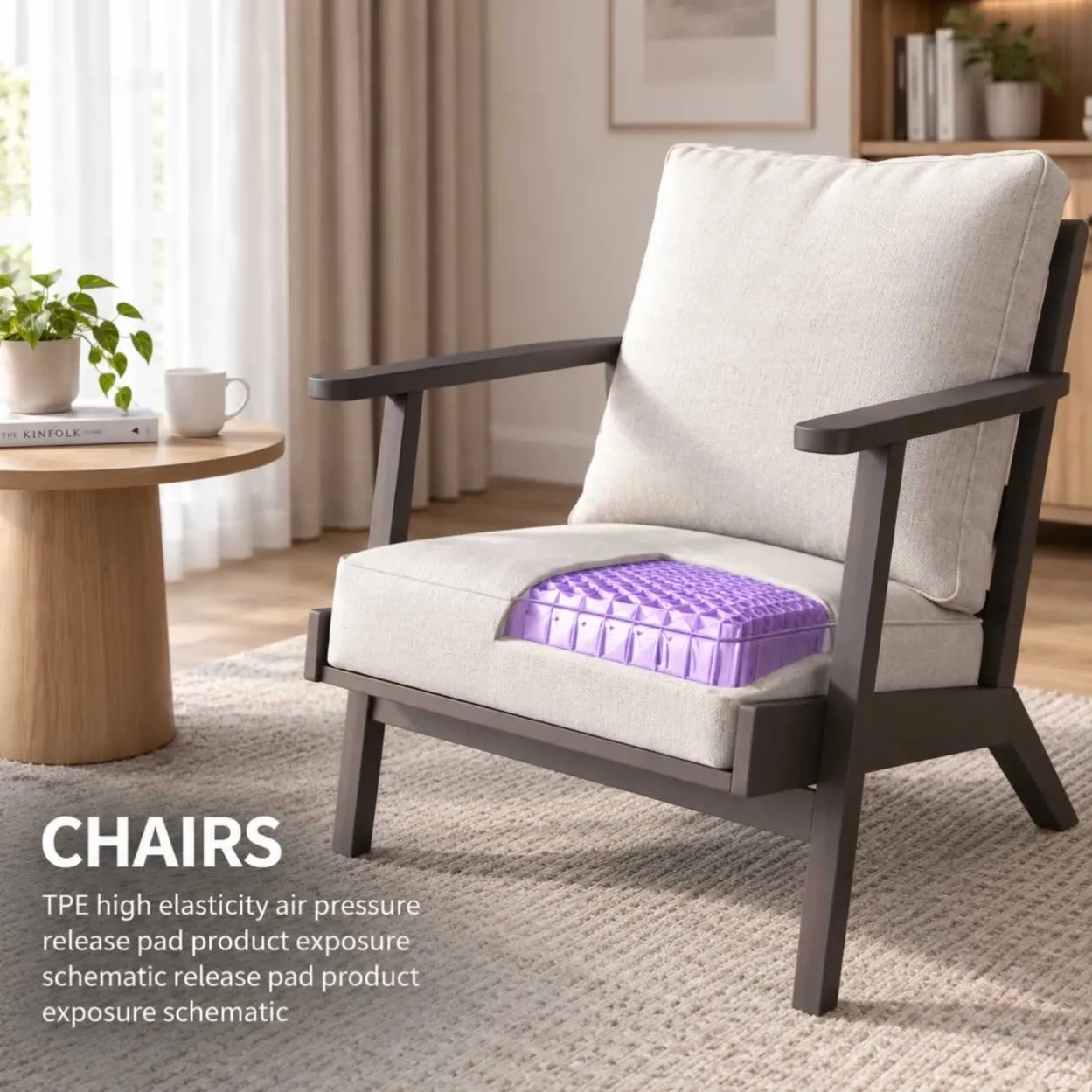
One option is TPE Grid — a three-dimensional elastic structure that can be integrated into indoor chair cushions as an additional comfort layer.
Instead of completely replacing conventional foam, furniture manufacturers can combine TPE Grid with HR foam, PU foam or memory foam to develop a differentiated hybrid seat.
What Is TPE Grid for Indoor Chair Cushions?
TPE stands for Thermoplastic Elastomer.
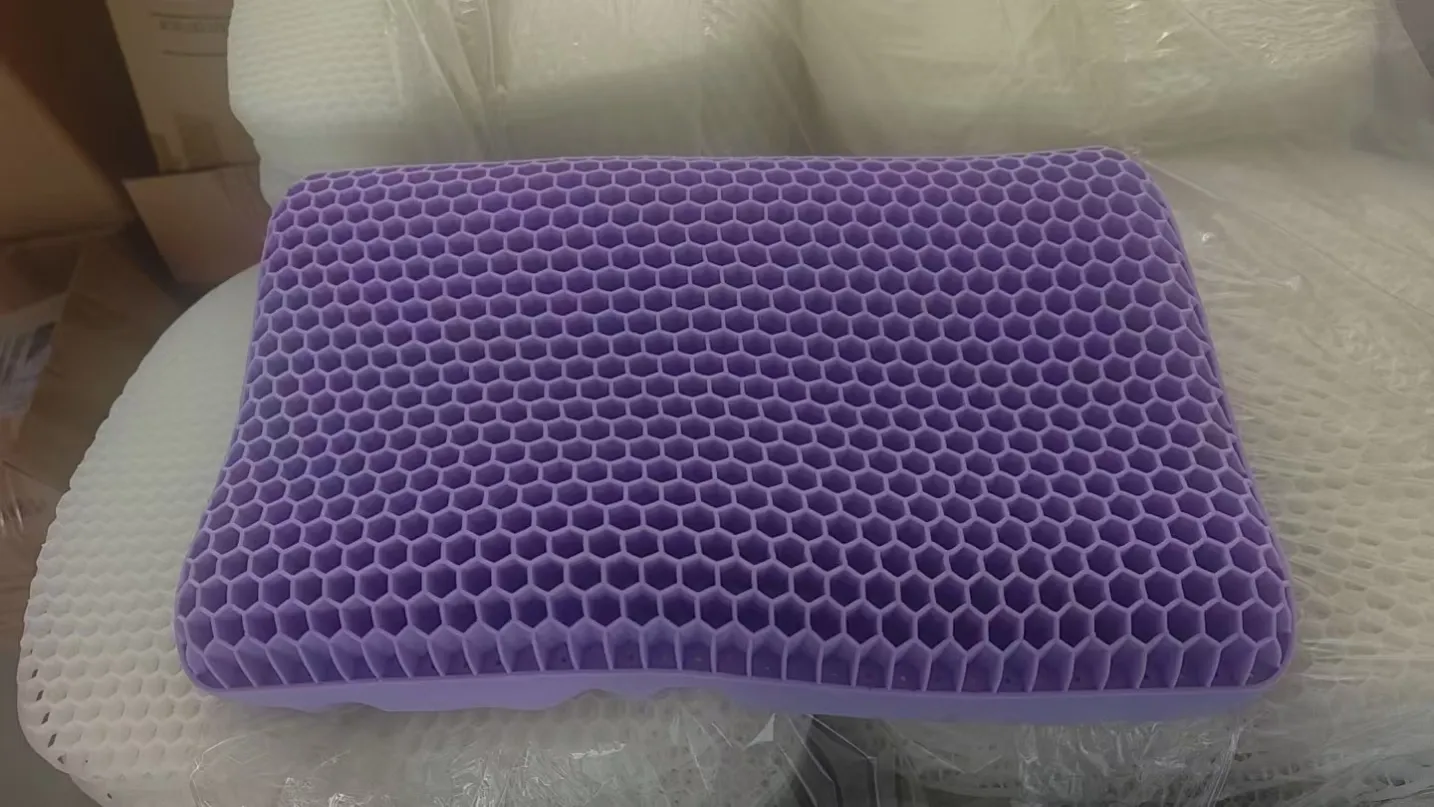
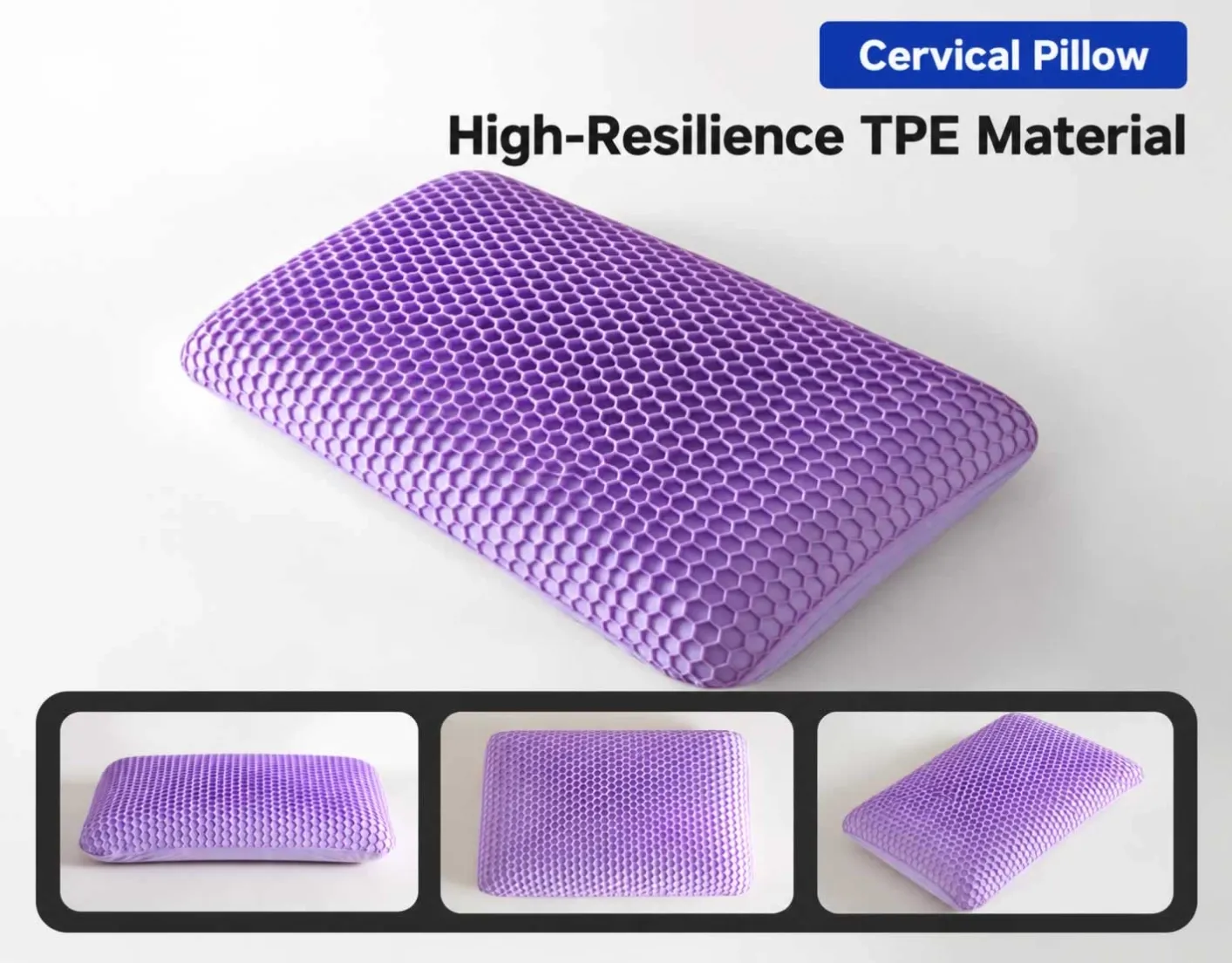
When formed into a three-dimensional grid, TPE creates a flexible structure containing numerous interconnected cells and open spaces.
Under sitting pressure, individual areas of the grid can flex and compress. When the load changes, the elastic structure recovers toward its original shape.
For an upholstered indoor chair, a typical construction could be:
Upholstery Fabric
↓
TPE Grid Comfort Layer
↓
HR Foam / PU Foam / Memory Foam
↓
Chair Seat Base
In this construction, the conventional foam remains the primary support material, while TPE Grid functions as an additional responsive layer closer to the seating surface.
Why Add TPE Grid Above Foam?
Foam is already a mature and practical material for furniture manufacturing.
The objective of introducing TPE Grid is therefore not necessarily to eliminate foam.
Instead, it gives furniture product developers another way to engineer the sitting experience.
TPE Grid + HR Foam
HR foam provides structural support while the TPE Grid adds a flexible upper layer.
This combination can be evaluated for lounge chairs, accent chairs and premium upholstered seating.
TPE Grid + Memory Foam
Memory foam provides slower contouring, while TPE Grid offers a more responsive elastic structure.
This creates another hybrid construction for comfort-focused furniture collections.
TPE Grid + PU Foam
Furniture manufacturers already using PU foam can potentially integrate a TPE Grid sheet into an existing cushion design without rebuilding the entire chair platform.
This can make new material testing more practical.
Pressure Distribution and Sitting Comfort
When someone sits in a chair, body weight is not distributed uniformly across the seat.
The cushion material, shape and sitting posture all influence the pressure pattern. Published seating research has found measurable differences in interface pressure between different cushion configurations.
For furniture developers, TPE Grid provides another structural variable to test.
The flexible grid can respond locally under load, while the underlying foam provides broader support.
However, pressure-relief performance should not be assumed from the material alone. If a furniture brand wants to make specific pressure-distribution claims, the finished chair construction should be tested, ideally using pressure mapping.
Open Structure for Breathable Furniture Design
Another characteristic of TPE Grid is its open architecture.
Unlike a completely solid cushioning layer, spaces remain between the individual grid walls.
These spaces create physical airflow pathways within the cushion construction.
This can be useful for furniture manufacturers exploring more breathable seating systems, especially for chairs designed for longer periods of sitting.
However, TPE Grid should not automatically be described as making every chair “cooling.”
Final thermal performance also depends on:
Upholstery fabric + batting + foam + grid thickness + chair construction + environment.
For B2B product development, describing TPE Grid as an open, breathable structural layer is more accurate.
Suitable for Different Indoor Chair Categories
TPE Grid does not need to be limited to office chairs.
The material can potentially be evaluated across a wider furniture collection.
Lounge Chairs
For comfort-oriented residential seating.
Accent Chairs
For brands combining distinctive design with upgraded internal construction.
Dining Chairs
For upholstered seat cushions requiring a balance of support and comfort.
Armchairs
For residential furniture designed for reading, relaxing and prolonged sitting.
Recliners
For seat and leg-support cushioning.
Home Theater Chairs
For seating designed around extended use.
Hotel and Hospitality Chairs
For commercial furniture brands exploring differentiated cushion constructions.
This creates opportunities for both residential and contract furniture manufacturers.
Custom TPE Grid Sheets for Furniture Manufacturers
One important advantage for B2B customers is that manufacturers do not necessarily need to purchase a finished chair cushion.
A furniture factory that already handles foam cutting, sewing, upholstery and assembly may only require the TPE Grid component.
TPE Grid sheets can be evaluated according to project requirements including:
Length and width
Thickness
TPE hardness
Grid geometry
Cell dimensions
Wall thickness
Shape
Color
Supporting foam construction
This component-supply model allows furniture manufacturers to retain control of their existing production processes.
Turn an Existing Chair into a Premium Version
For established furniture brands, TPE Grid can also support a product-upgrade strategy.
Consider an existing chair that already sells well.
Instead of redesigning the frame and appearance, the manufacturer could evaluate:
Standard Chair: Traditional Foam Cushion
Premium Chair: TPE Grid + Foam Hybrid Cushion
This provides a physical difference inside the product that can be communicated through cutaway images, compression demonstrations and material videos.
The material itself becomes part of the product story.
Start with a TPE Grid Sample
Because every chair uses different foam densities, upholstery materials and seat dimensions, there is no universal TPE Grid specification for all furniture.
A practical development process is:
Existing Chair → Cushion Analysis → TPE Grid Sample → Foam Integration → Sitting Test → Specification Adjustment → Pilot Production
Brands can evaluate thickness, firmness, resilience, stability and overall sitting feel before deciding on mass production.
For more advanced development, pressure mapping can compare the existing cushion against the new hybrid construction.
Looking for a TPE Grid Supplier for Indoor Furniture?
TPE Grid Factory is a China-based manufacturer and supplier of TPE Grid sheets and customized comfort components for B2B product development. The company's existing product range includes TPE Grid sheets and ergonomic seating solutions alongside pillows and mattress products.
We work with furniture brands, upholstered chair manufacturers, seating manufacturers, wholesalers, importers and furniture product developers exploring new TPE applications.
If you are developing an indoor chair, send us your:
Chair photo/drawing + seat dimensions + existing foam construction + target TPE thickness + desired firmness + estimated quantity.
We can evaluate a suitable TPE Grid sheet for prototype testing and future production.
Keep your existing chair platform. Upgrade the internal comfort layer with TPE Grid.