Oct 24, 2026new
TPE Grid for Ergonomic Chairs: A New Comfort Layer for Office Seating Manufacturers
Custom TPE Grid sheets for ergonomic chairs and office seating. Develop TPE Grid + HR foam hybrid seat cushions with customized size, thickness, hardness and structure for B2B chair manufacturers.
As ergonomic chair brands continue to improve comfort for prolonged sitting, innovation is moving beyond adjustable armrests, lumbar support and chair mechanisms.
The internal seat cushion construction is becoming another important area for product development.
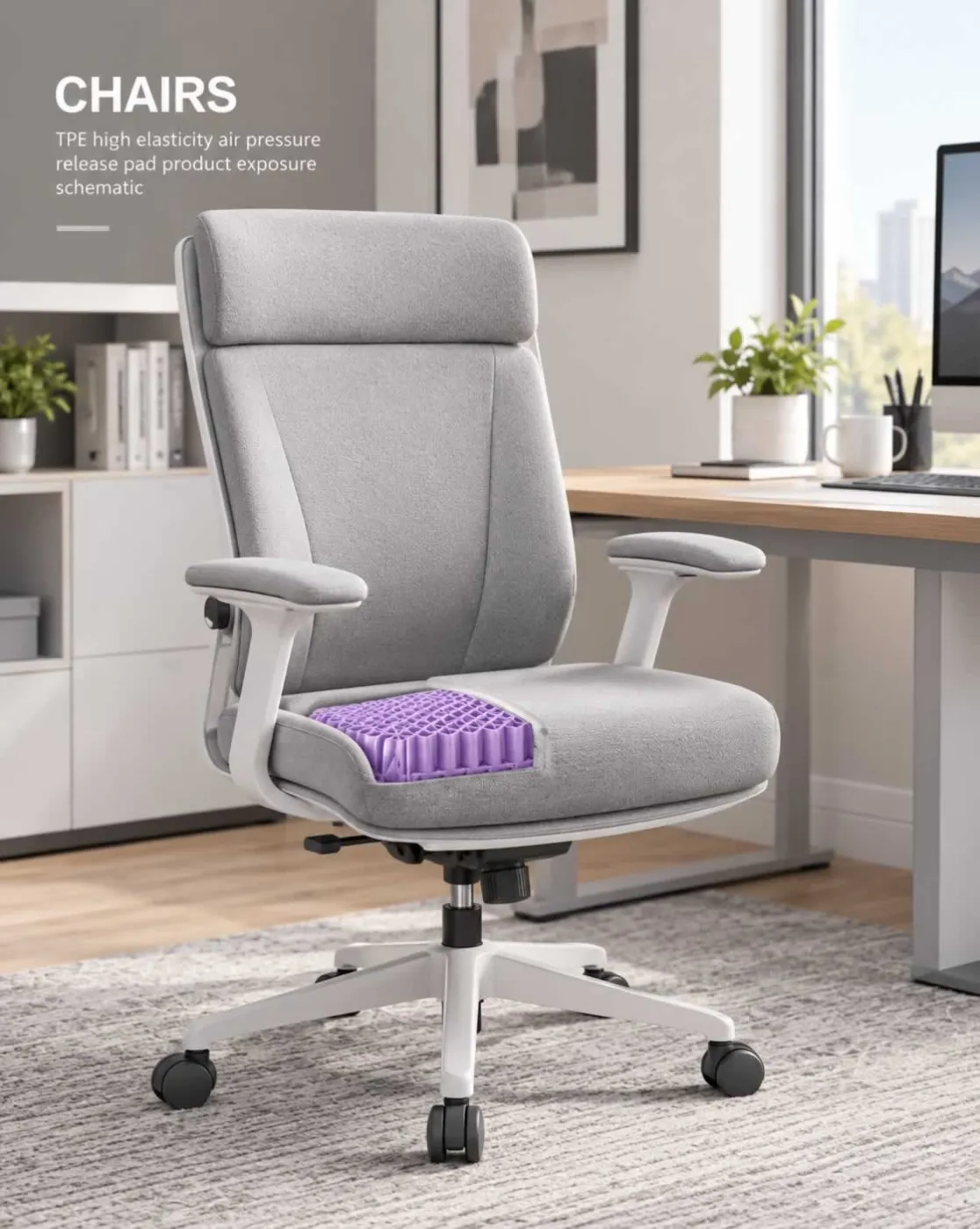
For office chair manufacturers and ergonomic seating brands looking for alternatives to conventional all-foam seat cushions, TPE Grid sheets can be integrated as a flexible comfort layer over HR foam, PU foam or memory foam.
This creates a hybrid seating structure that combines the support of traditional foam with the responsive three-dimensional structure of TPE Grid.
What Is TPE Grid for Ergonomic Chairs?
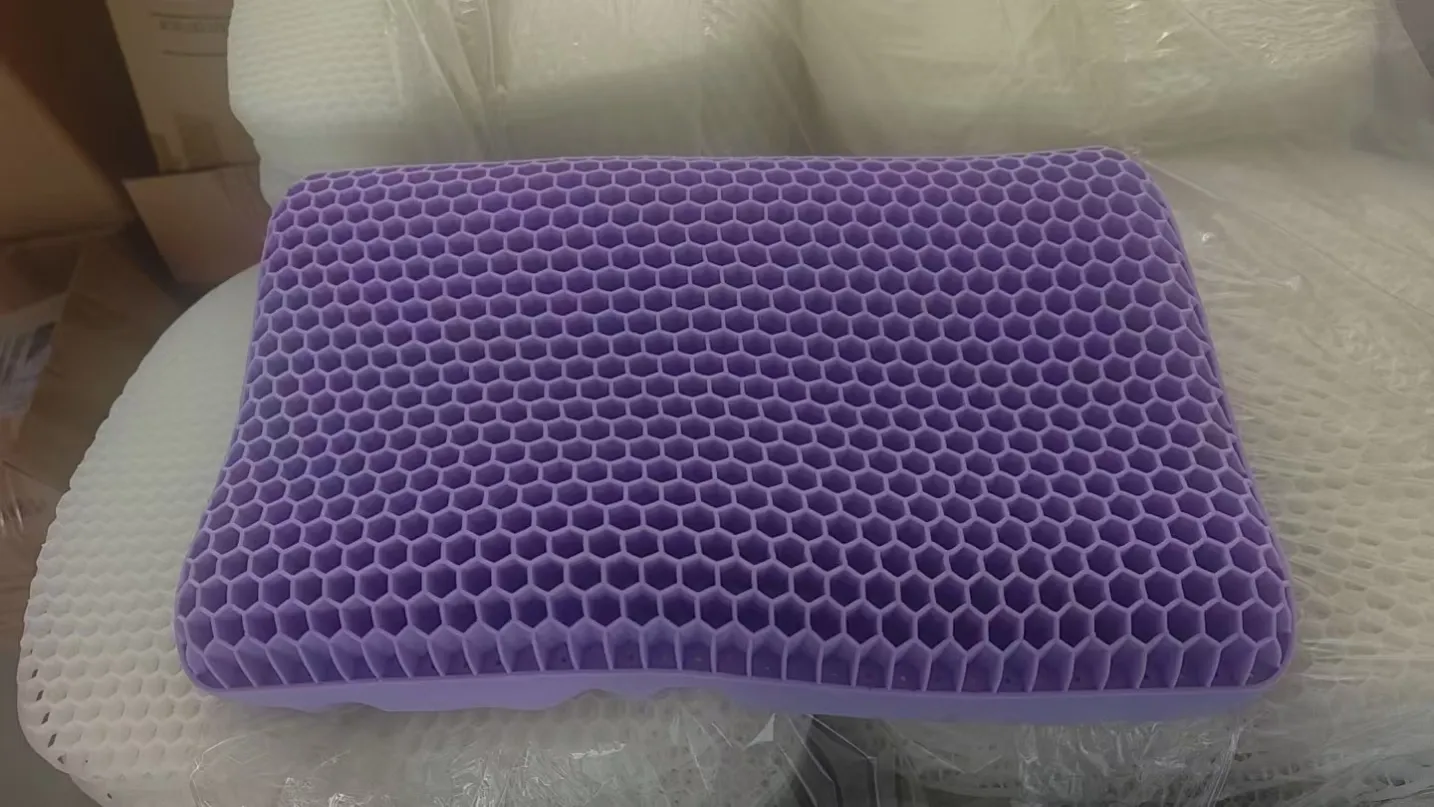
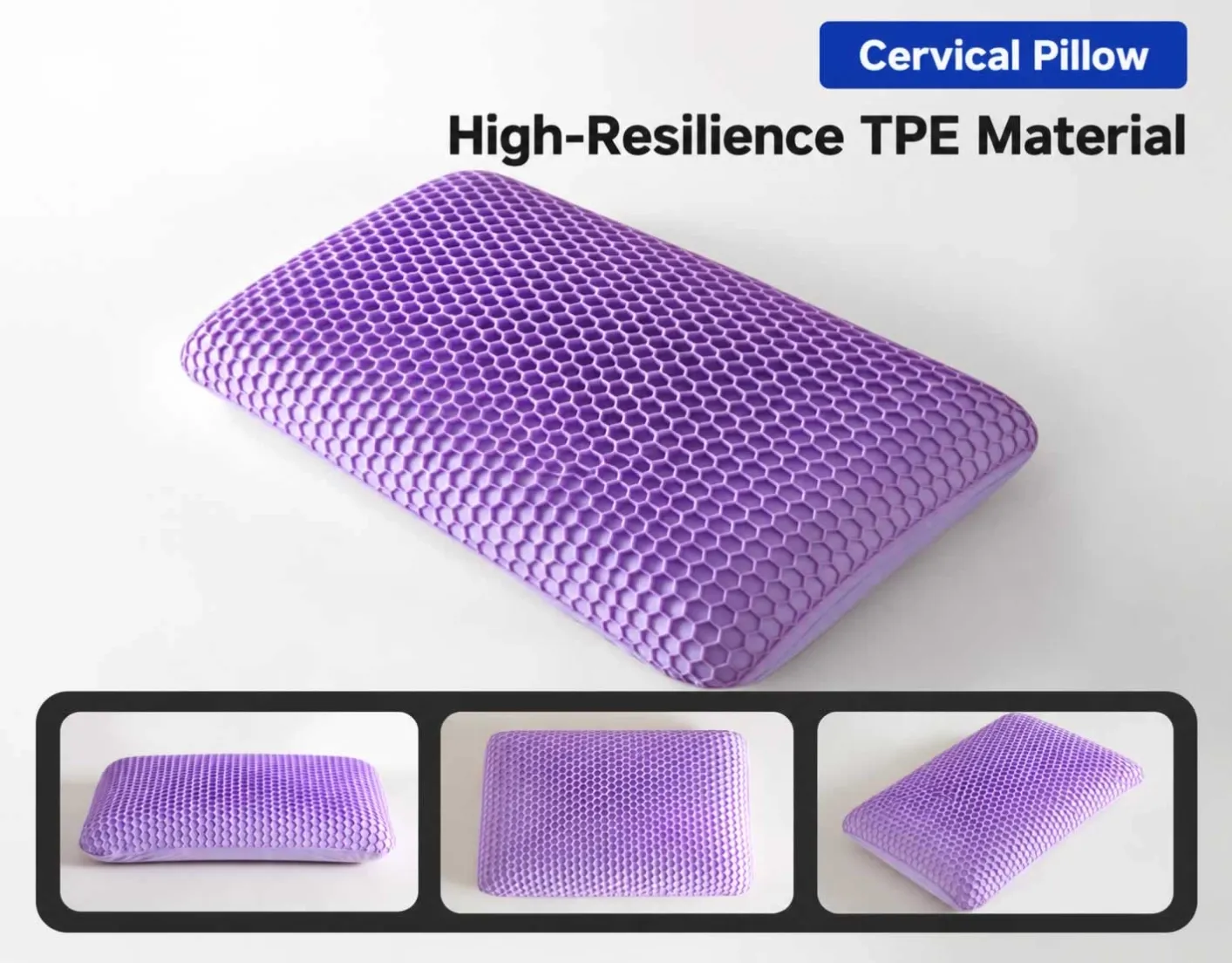
TPE Grid is a three-dimensional flexible structure manufactured from thermoplastic elastomer (TPE).
Instead of being a solid foam block, the material consists of interconnected elastic grid cells. These cells can deform under load and recover when the pressure is removed.
For ergonomic chair applications, TPE Grid does not necessarily need to replace the existing seat cushion.
A typical hybrid construction can be:
Chair Upholstery Fabric
↓
TPE Grid Comfort Layer
↓
HR Foam / PU Foam / Memory Foam
↓
Chair Seat Base
This makes TPE Grid particularly interesting for chair manufacturers that already have established foam seat production but want to develop an upgraded comfort system.
Why Seat Cushion Construction Matters
During prolonged sitting, body weight creates different pressure levels across the seat surface.
Research on office seating has shown that seat cushion contour and material construction can affect interface pressure distribution, while pressure parameters are also associated with perceived sitting comfort.
This makes the seat cushion more than a hidden piece of foam—it is an important part of ergonomic chair development.
A TPE Grid layer gives product engineers another variable to work with.
Instead of changing only foam density or thickness, manufacturers can evaluate:
TPE hardness
Grid thickness
Cell size
Cell geometry
Grid wall thickness
Overall cushion thickness
Supporting foam firmness
Different combinations can then be tested according to the intended chair design and target user.
TPE Grid + Foam Hybrid Chair Cushion
For many chair manufacturers, a hybrid construction may be more practical than replacing foam completely.
TPE Grid + HR Foam
HR foam provides the primary structural support, while TPE Grid works as the upper responsive comfort layer.
This combination can be explored for premium ergonomic office chairs designed for prolonged sitting.
TPE Grid + Memory Foam
Memory foam provides slower contouring, while the TPE Grid adds a more responsive surface structure.
This can create a differentiated construction for executive chairs or premium home-office seating.
TPE Grid + PU Foam
Existing office chair manufacturers using molded or cut PU foam can evaluate TPE Grid as an additional upper layer without completely redesigning the original cushion platform.
For established factories, this makes material innovation easier to test.
Open Grid Structure for Breathable Seat Design
Heat buildup is another consideration in office seating, particularly during extended sitting.
Unlike a solid cushioning layer, TPE Grid contains open spaces throughout its three-dimensional structure.
These physical air channels make the material interesting for manufacturers developing more breathable seat constructions.
However, the final thermal performance depends on the complete chair structure—including upholstery fabric, foam, batting, TPE thickness and seat base.
Therefore, TPE Grid should be evaluated as part of the complete chair rather than marketed with unsupported cooling claims.
Custom TPE Grid Sheets for Chair Manufacturers
Different ergonomic chairs require different seat dimensions and comfort specifications.
For B2B projects, TPE Grid sheets can be developed according to the chair manufacturer's requirements.
Customization can include:
Dimensions – according to the seat cushion design.
Thickness – different grid heights can be evaluated.
Hardness – adjusted according to the required sitting feel.
Grid Structure – different cell geometries and support structures.
Color – standard or customized colors depending on order requirements.
Shape – rectangular sheets or application-specific components can be evaluated.
For manufacturers that already produce chair cushions internally, sourcing the TPE Grid sheet only can be particularly practical.
The customer can integrate the grid with its existing foam, upholstery and seat assembly process.
A New Upgrade for Existing Ergonomic Chair Collections
TPE Grid can also provide an interesting product-development strategy for brands with mature office chair collections.
Instead of developing an entirely new chair, an existing model could potentially be upgraded through its internal cushion construction.
For example:
Standard Version: Molded Foam Seat
Premium Version: TPE Grid + Foam Hybrid Seat
The visible grid structure also gives marketing teams a physical technology story that can be demonstrated through product photography, cutaway displays, compression videos and material testing.
For e-commerce chair brands, this can help communicate why a premium model differs from a conventional foam chair.
Applications Beyond Office Chairs
The same TPE Grid seating concept can be explored for multiple categories:
Ergonomic Office Chairs – for workplace and home-office seating.
Executive Chairs – for premium multi-layer seat construction.
Gaming Chairs – for brands looking for alternative cushion materials.
Conference Chairs – for prolonged meeting environments.
Study Chairs – for home and educational applications.
Recliners – for seat and leg-support areas.
Furniture Seating – including sofas, benches and lounge chairs.
This means seating manufacturers can evaluate TPE Grid as a broader comfort-material platform, rather than limiting development to one chair model.
Start with Sample Development
For a new ergonomic chair project, we recommend testing the TPE Grid within the actual seat construction before mass production.
A typical development process is:
Existing Seat Structure → TPE Grid Selection → Sample Sheet → Foam Integration → Sitting Test → Pressure Mapping → Specification Adjustment → Pilot Production
Pressure mapping is particularly useful because research shows that chair design and cushion configuration can materially change sitting interface pressure patterns.
Manufacturers can therefore compare their existing foam seat against a prototype TPE Grid + foam construction under controlled conditions.
Looking for a TPE Grid Supplier for Ergonomic Chairs?
TPE Grid Factory supplies customizable TPE Grid sheets and comfort components for B2B seating development.
We work with ergonomic chair manufacturers, office chair brands, seating manufacturers, furniture factories, cushion manufacturers and product developers interested in integrating TPE Grid technology into new or existing products.
If you are developing an ergonomic chair, send us:
Seat dimensions + existing foam construction + required TPE thickness + target firmness + chair drawing/photo + estimated order quantity.
We can evaluate a suitable TPE Grid structure and support prototype development before mass production.
You don't necessarily need to redesign the entire chair. A TPE Grid comfort layer can be tested as an upgrade to your existing seat construction.
1.Can TPE Grid be used inside ergonomic office chairs?
Yes. TPE Grid can be evaluated as a flexible comfort layer over HR foam, PU foam or memory foam in ergonomic chair seat cushions.
2.Can chair manufacturers purchase only TPE Grid sheets?
Yes. TPE Grid sheets can be supplied as B2B components for manufacturers to integrate into their existing chair cushion production.
3.Can TPE Grid replace foam in an office chair?
It depends on the chair design. For many projects, a TPE Grid + foam hybrid construction is a practical starting point because the foam provides primary support while the grid functions as an additional comfort layer.
4.Can the TPE Grid thickness, hardness and dimensions be customized?
Yes. These parameters can be evaluated according to the chair structure, target sitting feel and order requirements.
5.How should an ergonomic chair brand test TPE Grid?
Start with a prototype using the actual chair seat structure. Compare sitting feel, resilience, stability and pressure mapping against the existing cushion before deciding the final specification.