Oct 24, 2026new
Private Label TPE Grid Cooling Seat Cushions for Brands and Wholesalers
Develop private label TPE Grid cooling seat cushions with custom covers, logos and packaging. OEM/ODM solutions and samples for brands, wholesalers and distributors.
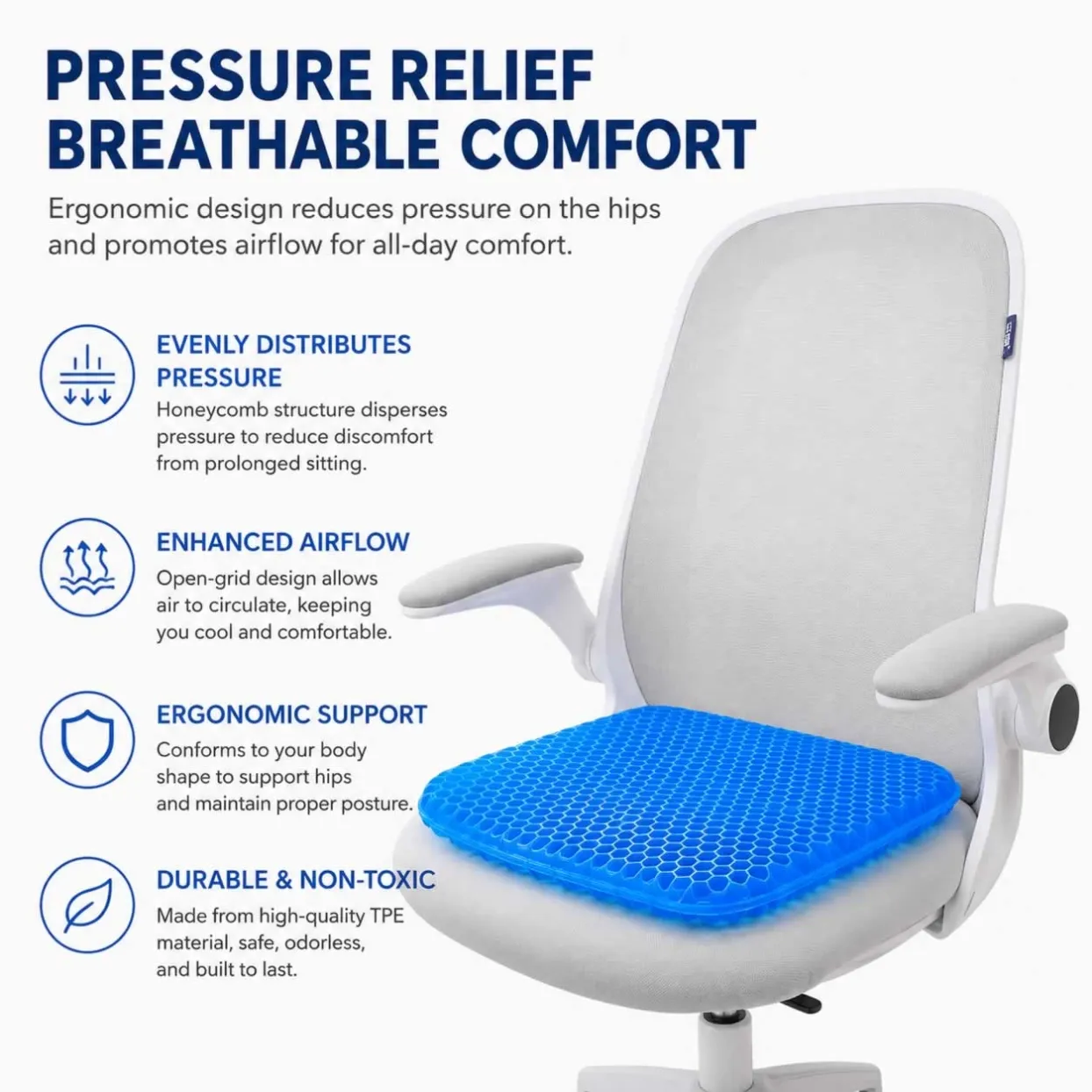
Cooling comfort products are no longer limited to mattresses and pillows.
For office workers, drivers, wheelchair users and consumers who remain seated for long periods, breathability, pressure distribution and sitting comfort are becoming important product features.
This is creating a new opportunity for brands, distributors and wholesalers:
TPE Grid Cooling Seat Cushions.
Recently, we received an inquiry from a buyer interested in developing this type of product under their own brand. Instead of asking only about price, the customer focused on several important commercial questions:
Can the cover be customized?
Can breathable and water-resistant fabric be used?
Can we add our own logo?
What is the MOQ for private labeling?
Can we test a sample before placing a wholesale order?
These are exactly the questions B2B buyers should consider when developing a private-label cooling cushion collection.
Why Add TPE Grid to a Seat Cushion?
Traditional seat cushions commonly use memory foam, PU foam or other cushioning materials.
These materials can provide comfortable support, but brands looking for stronger product differentiation may want to introduce another functional layer.
A TPE Grid layer provides a very different structure.
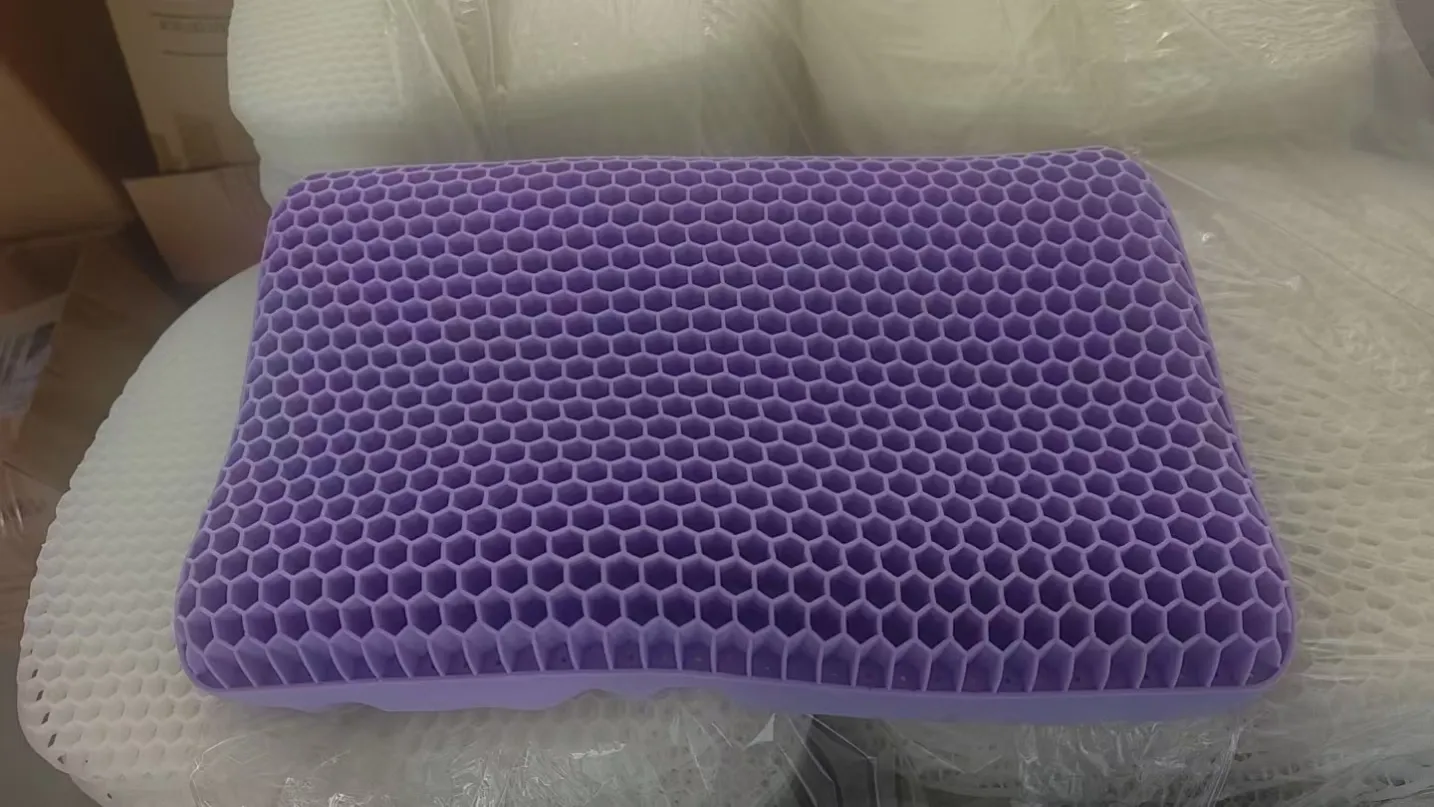
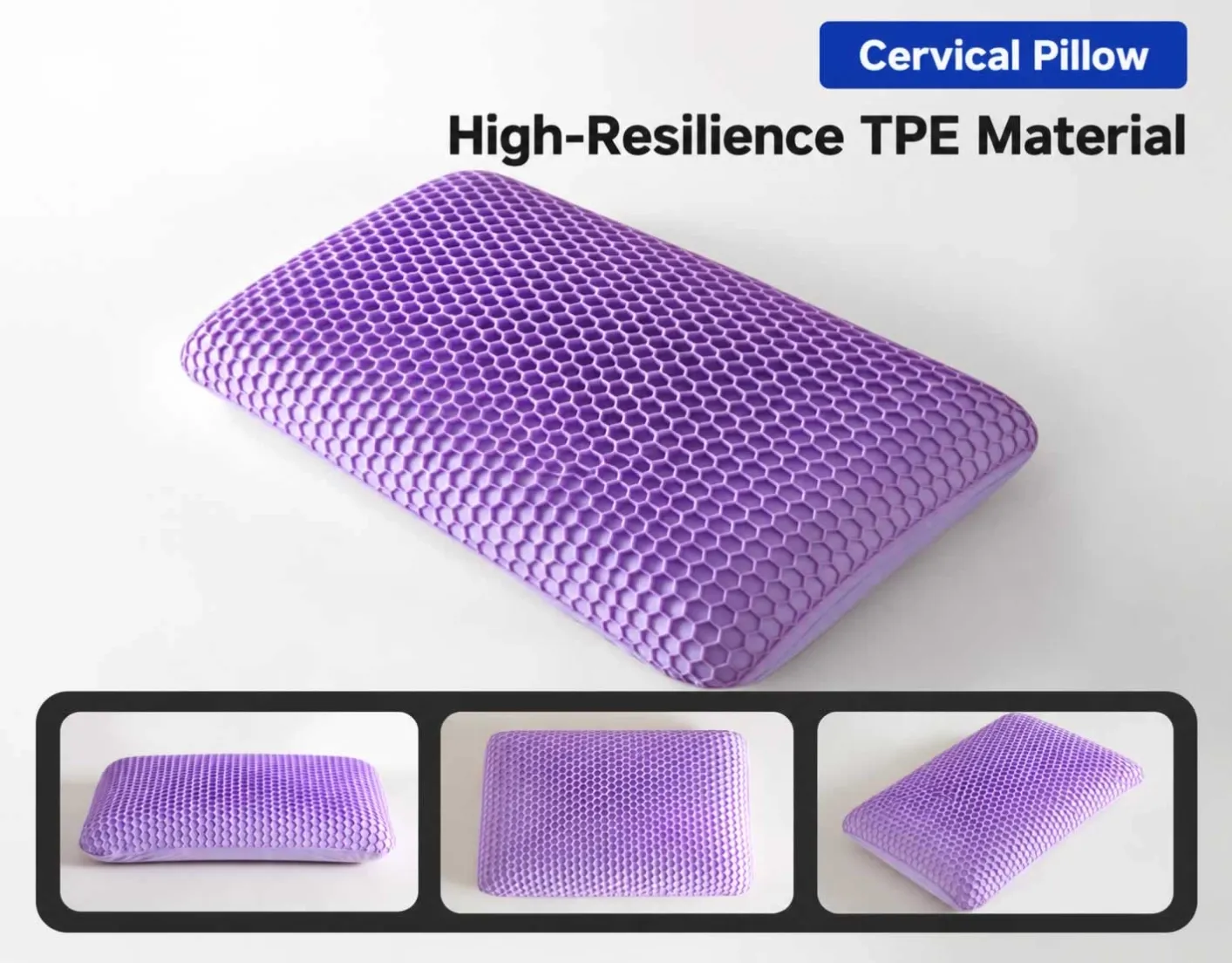
Instead of being a completely solid surface, the flexible grid contains numerous open cells. This creates physical air channels throughout the material while allowing individual sections of the grid to compress under body weight.
For a seat cushion, TPE Grid can therefore be used as a breathable, responsive upper comfort layer.
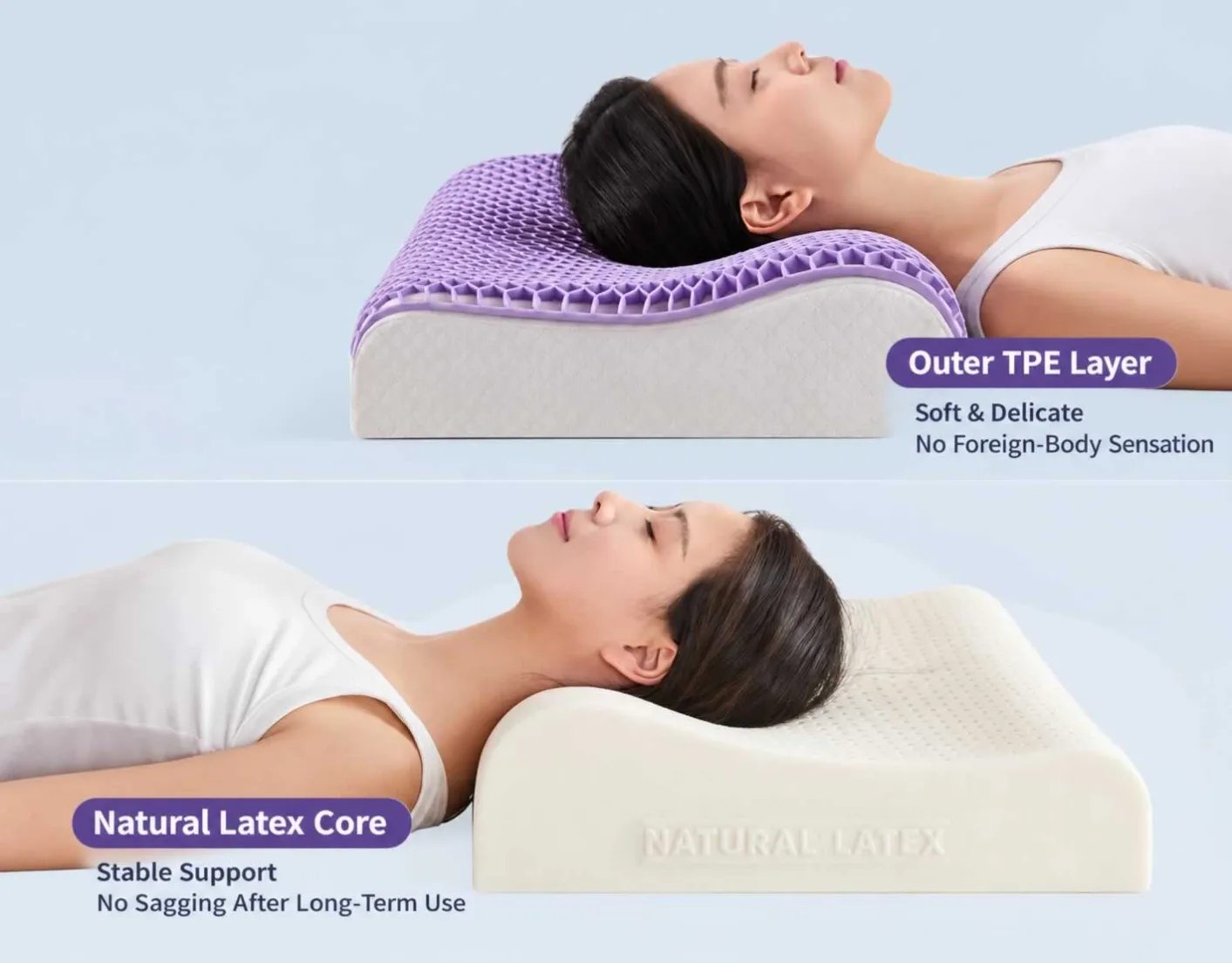
A typical hybrid construction can include:
TPE Grid Layer
↓
Support Cushion / Foam Base
↓
Functional Fabric Cover
This approach allows brands to combine different materials instead of relying on a single cushioning technology.
Cooling Through an Open Grid Structure
Heat buildup can be an important consideration for products designed for prolonged sitting.
The open structure of TPE Grid provides visible ventilation channels across the seating surface.
Rather than simply adding the word “cooling” to a product, brands can actually demonstrate the construction through product photography and video.
Marketing content can show:
Open honeycomb grid structure
Airflow demonstrations
Compression and recovery
Flexibility tests
Internal cushion construction
TPE layer compared with conventional solid cushioning
This gives wholesalers and private-label brands a strong visual product story for e-commerce listings, catalogs and retail packaging.
Can the Seat Cushion Cover Be Customized?
Yes — and for B2B projects, the cover should be considered part of the product-development process.
Different markets require different functionality.
A standard breathable fabric may be suitable for office and home applications, while some buyers may require additional properties such as water resistance, easy cleaning or enhanced durability.
For a breathable water-resistant seat cushion, fabric selection is particularly important.
There is normally a trade-off between breathability and waterproof performance. A highly sealed waterproof construction may restrict airflow, so the cover specification should be selected according to the intended application.
Instead of simply requesting “waterproof fabric,” professional buyers should define:
Where will the cushion be used?
How much water resistance is required?
How important is airflow?
Does the cover need to be removable and washable?
This allows the cover construction to be matched more accurately to the finished product.
Private Label and Custom Logo Options
For wholesalers, distributors and brands, a generic cushion is often not enough.
The finished product needs to fit into an existing brand identity.
Depending on the project, private-label customization can include:
Custom Logo
Logo printing, woven labels or other suitable branding methods.
Custom Cover
Fabric, texture and functional requirements can be discussed according to the application.
Custom Color
TPE and fabric colors can be evaluated based on quantity and project requirements.
Custom Packaging
Retail boxes, inserts, labels and other packaging options can be developed for branded programs.
Custom Product Specifications
Dimensions, TPE structure, thickness and underlying cushion materials can be discussed for OEM/ODM projects.
This means buyers are not limited to simply putting a logo on an existing product.
The goal can be to develop a recognizable private-label cooling cushion collection.
Is There an MOQ for Custom Branding?
MOQ is an important question for any new private-label project.
The required quantity can vary depending on the type of customization.
For example, adding a simple logo to an existing product normally requires less development than creating:
Custom TPE dimensions + custom color + special fabric + custom packaging + new construction.
For buyers launching a new product, we recommend separating the project into two stages:
Stage 1 — Sample Testing
Evaluate the existing cushion construction, TPE feel, dimensions, cover and overall comfort.
Stage 2 — Private Label Development
After the basic product is approved, finalize logo, fabric, packaging and order quantity.
This approach helps reduce development risk before committing to mass production.
Samples Before Wholesale Orders
For functional comfort products, specifications alone cannot tell the complete story.
A physical sample allows the buyer to evaluate:
TPE flexibility
Grid structure
Cushion firmness
Sitting comfort
Product dimensions
Cover quality
Airflow structure
Compression and recovery
Overall workmanship
If a different fabric is required, the sample stage can also be used to evaluate whether the proposed cover works with the TPE Grid construction.
For distributors and private-label brands, this is usually a more practical starting point than moving directly into a large wholesale order.
More Than One Seat Cushion
TPE Grid technology can also provide a platform for developing a broader comfort-product collection.
Once a brand has established the material concept, it can potentially expand into:
Cooling Seat Cushions
For office chairs and home seating.
Car Seat Cushions
For drivers and commuters.
Wheelchair Cushions
For applications where prolonged sitting comfort is important.
Back Support Cushions
Combining TPE Grid with foam or other supporting materials.
TPE Grid Pillows
Extending the same material story into sleep products.
Mattress Toppers
Creating a broader cooling and breathable comfort collection.
For wholesalers, this creates an opportunity to develop a product family rather than relying on one isolated SKU.
Looking for a Private Label TPE Grid Cushion Supplier?
If you are a comfort-product brand, wholesaler, distributor, importer or retailer looking for differentiated cooling products, we can support TPE Grid product development from samples through private-label production.
Depending on your project, we can discuss TPE Grid structure, cushion materials, dimensions, cover fabrics, logo branding and retail packaging.
Already selling seat cushions?
Send us your current product photo, dimensions, target market, preferred cover requirements, logo and estimated order quantity.
We can evaluate whether TPE Grid can be integrated into your existing product or recommend a suitable construction for sample testing.
Start with a sample. Build the right product. Then put your brand on it.