Oct 24, 2026new
Open Hexagonal TPE Grid for Next-Generation Cooling Mattress Pads
Develop cooling mattress pads with open hexagonal TPE Grid layers. Custom thickness, hardness, dimensions and OEM solutions for mattress brands, manufacturers and wholesalers.
Cooling mattress products are evolving beyond cooling fabrics, gel-infused foam and traditional ventilation designs.
For mattress brands and bedding manufacturers, the next opportunity may come from changing not only the material formulation, but the physical structure of the comfort layer itself.
Recently, we received a product-development inquiry from a Korean customer preparing to launch a new cooling mattress pad for the local market.
Their requirement was very specific:
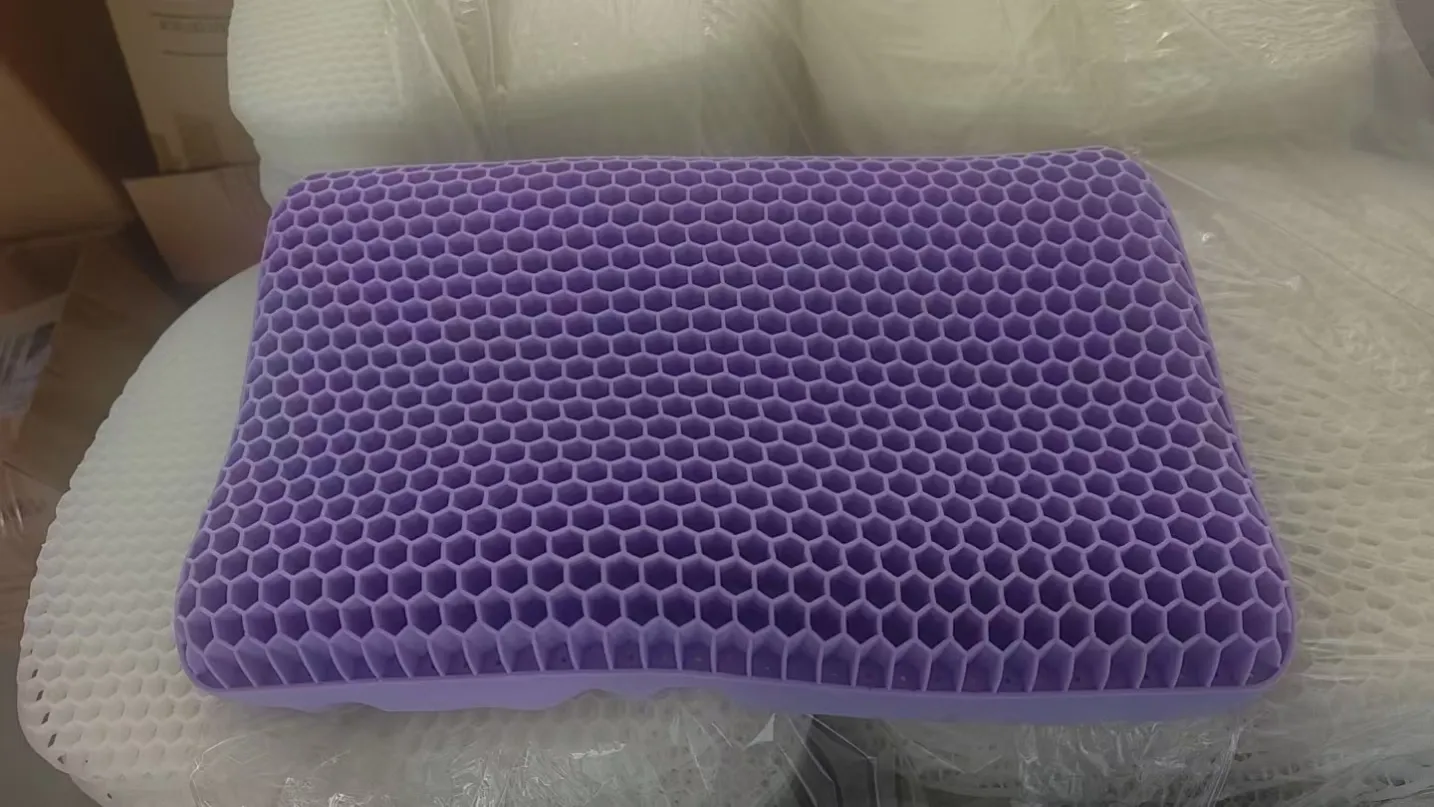
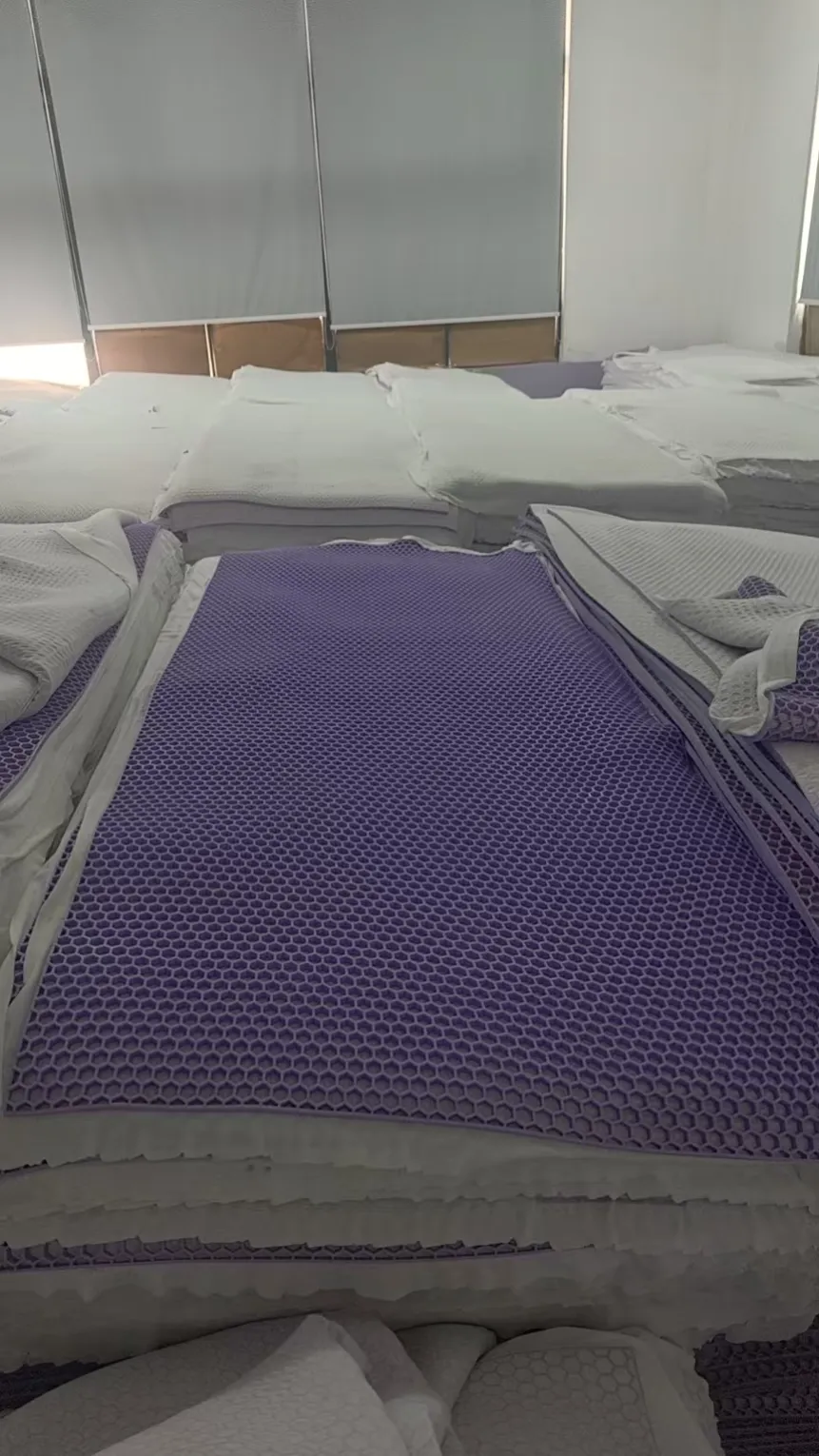
An open TPE Grid mattress layer with a hexagonal honeycomb structure.
Instead of using a solid TPE sheet or conventional foam layer, the customer wanted a large-format elastic grid with openings running through the structure to support ventilation and create a differentiated mattress surface.
This project reflects a growing direction for sleep-product manufacturers looking for new alternatives to conventional foam constructions.
Why Use an Open TPE Grid in a Mattress Pad?
Traditional mattress comfort layers commonly use memory foam, PU foam, latex or fiber materials.
These materials remain important, but an open TPE Grid introduces a fundamentally different architecture.
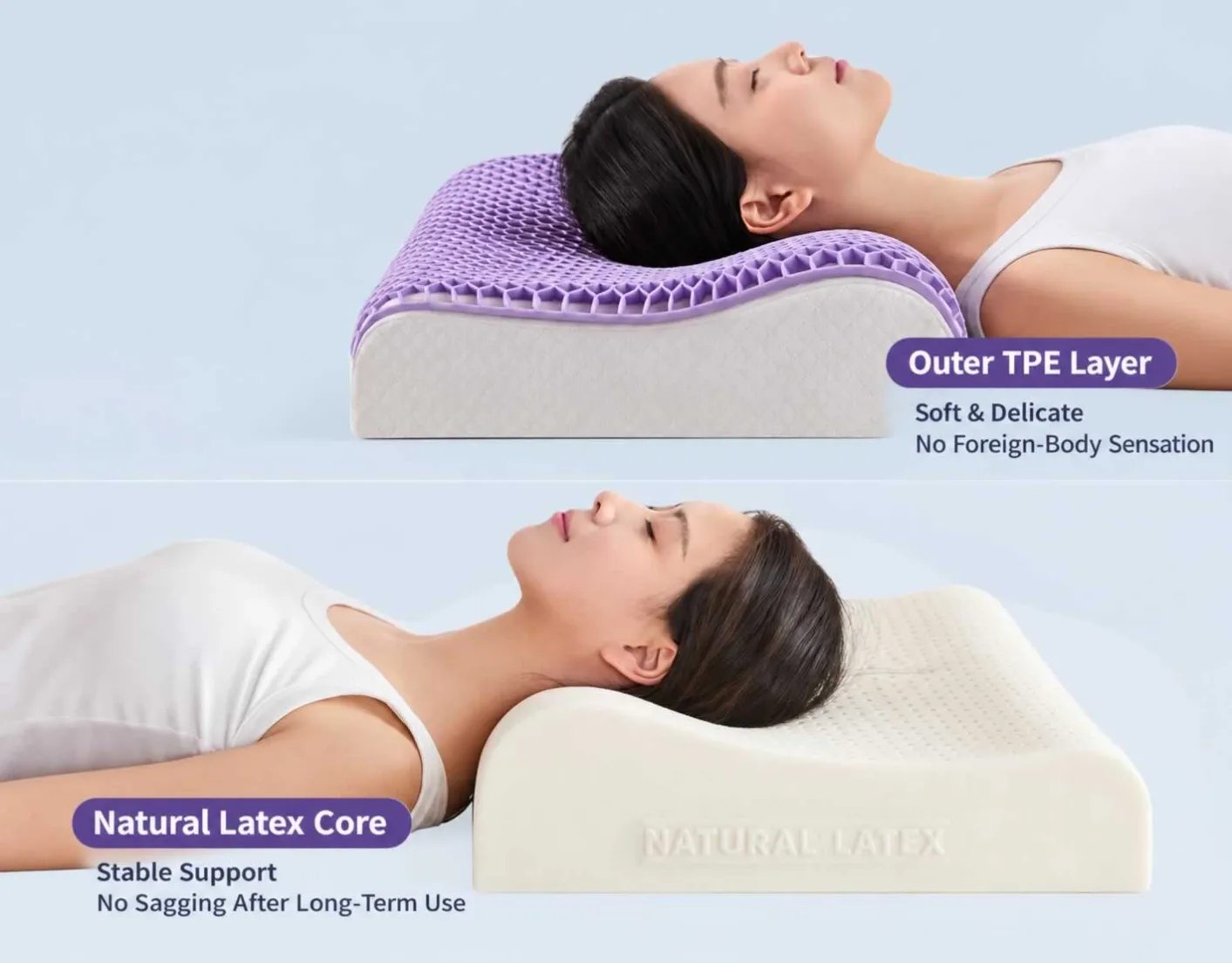
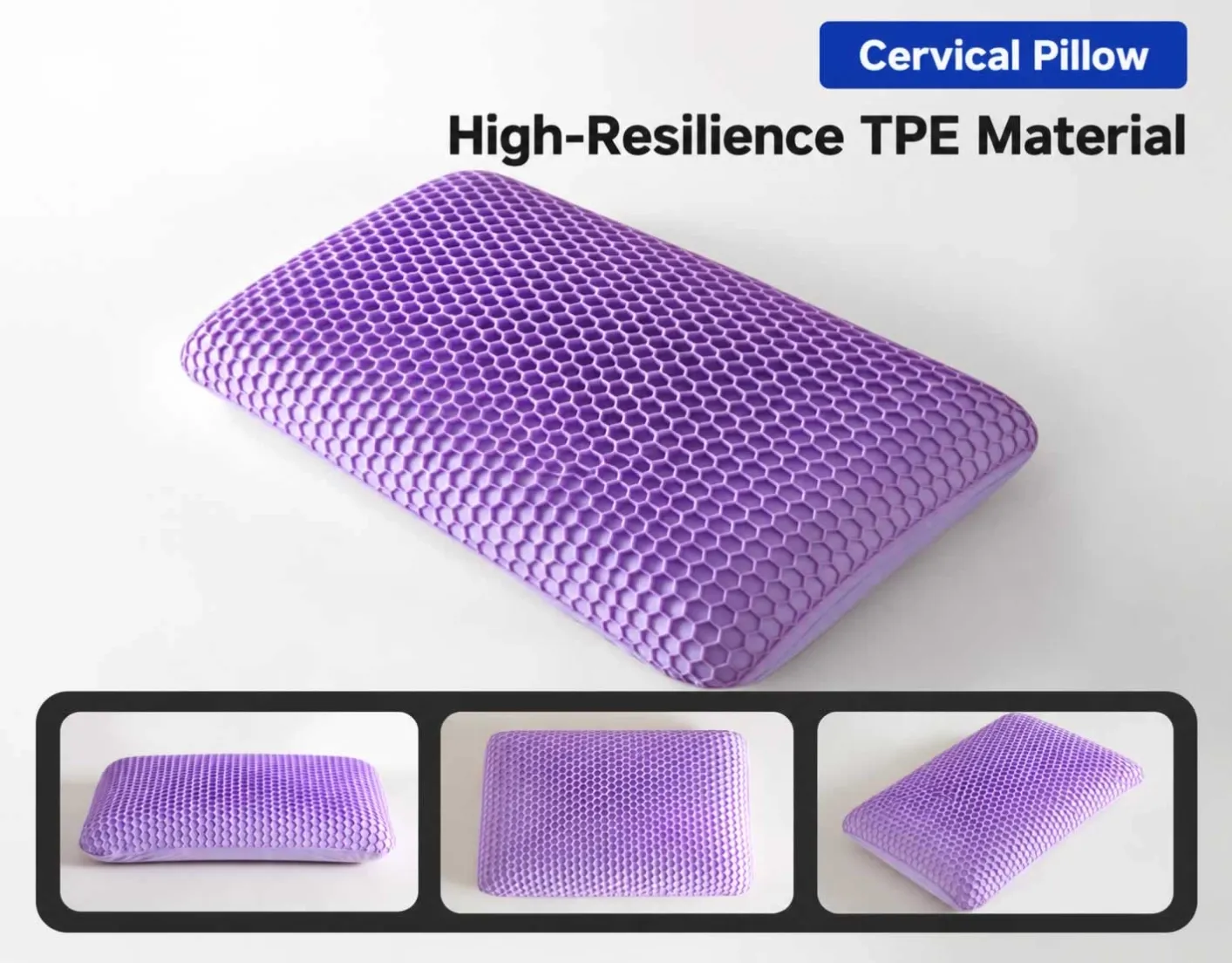
Rather than creating a continuous solid surface, the TPE material is formed into thousands of interconnected flexible cells.
For cooling mattress pad development, this creates three important design characteristics:
Open Air Channels
The honeycomb structure creates visible spaces through the comfort layer.
Responsive Elasticity
Individual grid walls can flex under pressure and recover when the load changes.
Structural Differentiation
Consumers can immediately see that the product uses a different comfort technology.
For mattress brands, this means TPE Grid can function as both a technical component and a visible product feature.
Why Hexagonal Honeycomb Structure?
Grid geometry matters.
For this Korean development project, the customer specifically requested an open hexagonal honeycomb TPE structure.
The hexagonal cells create a repeating three-dimensional network across the mattress surface while maintaining open spaces throughout the grid.
This makes the structure particularly interesting for products positioned around:
Cooling sleep
Breathable mattress construction
Responsive comfort
Pressure distribution
Hybrid mattress technology
Premium sleep innovation
The exact performance of the finished mattress pad will still depend on TPE hardness, grid height, wall thickness, cell dimensions, cover fabric and supporting layers underneath.
For this reason, professional development should focus on the complete construction, not simply the word “honeycomb.”
TPE Grid Thickness Changes the Product
One of the most important decisions in a cooling mattress pad project is TPE Grid thickness.
A thin grid layer can be used primarily as an additional surface component.
A thicker grid becomes a more significant part of the overall comfort system.
For example, product developers may evaluate:
10mm TPE Grid
For a more noticeable grid comfort layer while maintaining a slim mattress-pad profile.
There is no universal “best” thickness.
The correct specification depends on the target product, required firmness, supporting materials, overall thickness, weight and target retail price.
This is why we recommend sample testing before mass production.
TPE Grid Can Work with Other Mattress Materials
An open TPE Grid does not necessarily need to replace the existing mattress construction.
It can become part of a hybrid system.
For example:
Breathable Fabric Cover
↓
Open Hexagonal TPE Grid
↓
Support Layer
Or:
Cooling Fabric Cover
↓
TPE Honeycomb Grid
↓
Memory Foam / PU Foam
↓
Mattress Base
This gives established mattress manufacturers an important advantage.
You can retain the materials and manufacturing processes you already understand while evaluating TPE Grid as a new upper comfort layer.
A New Product Story for Mattress Brands
Product differentiation is becoming increasingly difficult in the mattress industry.
Many products look similar from the outside, even when different foam formulations are used internally.
TPE Grid gives brands something highly visual.
The honeycomb structure can be shown through:
Cutaway product photography, airflow demonstrations, compression testing, elasticity videos, transparent covers and retail displays.
Instead of simply saying “our mattress is breathable,” the brand can show consumers the physical structure behind the product concept.
This can be especially valuable for online brands that rely heavily on visual content to explain why their new mattress pad is different.
Custom TPE Grid Sheets for Mattress Manufacturers
Not every buyer needs a complete finished mattress topper.
Many established manufacturers already have their own foam production, sewing, quilting, cover manufacturing and final assembly capabilities.
For these customers, we can discuss supplying the TPE Grid layer as a component.
Depending on the project, development parameters can include:
TPE Grid dimensions
Grid thickness
Hexagonal cell structure
Cell opening size
Wall thickness
TPE hardness
Product weight
TPE color
Required firmness
Mattress layer configuration
For large mattress dimensions, production feasibility should be evaluated according to the required size, mold structure and manufacturing process.
Start with Prototype Testing
For a completely new cooling mattress pad, going directly into mass production creates unnecessary risk.
A more practical development process is:
Concept → TPE Specification → Sample → Mattress Assembly → Comfort Testing → Specification Adjustment → Pilot Order → Mass Production
During sample evaluation, the product team can compare firmness, thickness, elasticity, ventilation structure, overall weight and compatibility with other mattress materials.
Only after the preferred configuration is identified should customized tooling or larger-volume production be considered.
Developing a New Cooling Mattress Pad?
If your company manufactures or sells mattresses, mattress toppers, cooling mattress pads or other innovative bedding products, an open TPE Grid layer can provide a new direction for your next collection.
We supply and develop TPE Grid sheets, hexagonal honeycomb structures, mattress comfort layers and hybrid TPE sleep products for B2B customers.
Send us your:
Target mattress dimensions + required TPE thickness + grid structure + firmness requirement + existing layer construction + estimated quantity.
If you are still at the R&D stage, you can also send us a drawing, reference photo or product concept.
We can evaluate suitable TPE Grid structures and begin with samples for prototype testing.
Don't redesign your entire mattress. Start by upgrading the comfort layer.