Oct 24, 2026new
How to Launch a Private Label TPE Grid Pillow Collection
Learn how to develop a private-label TPE grid pillow collection, from product selection and samples to custom colors, branding, packaging and mass production.
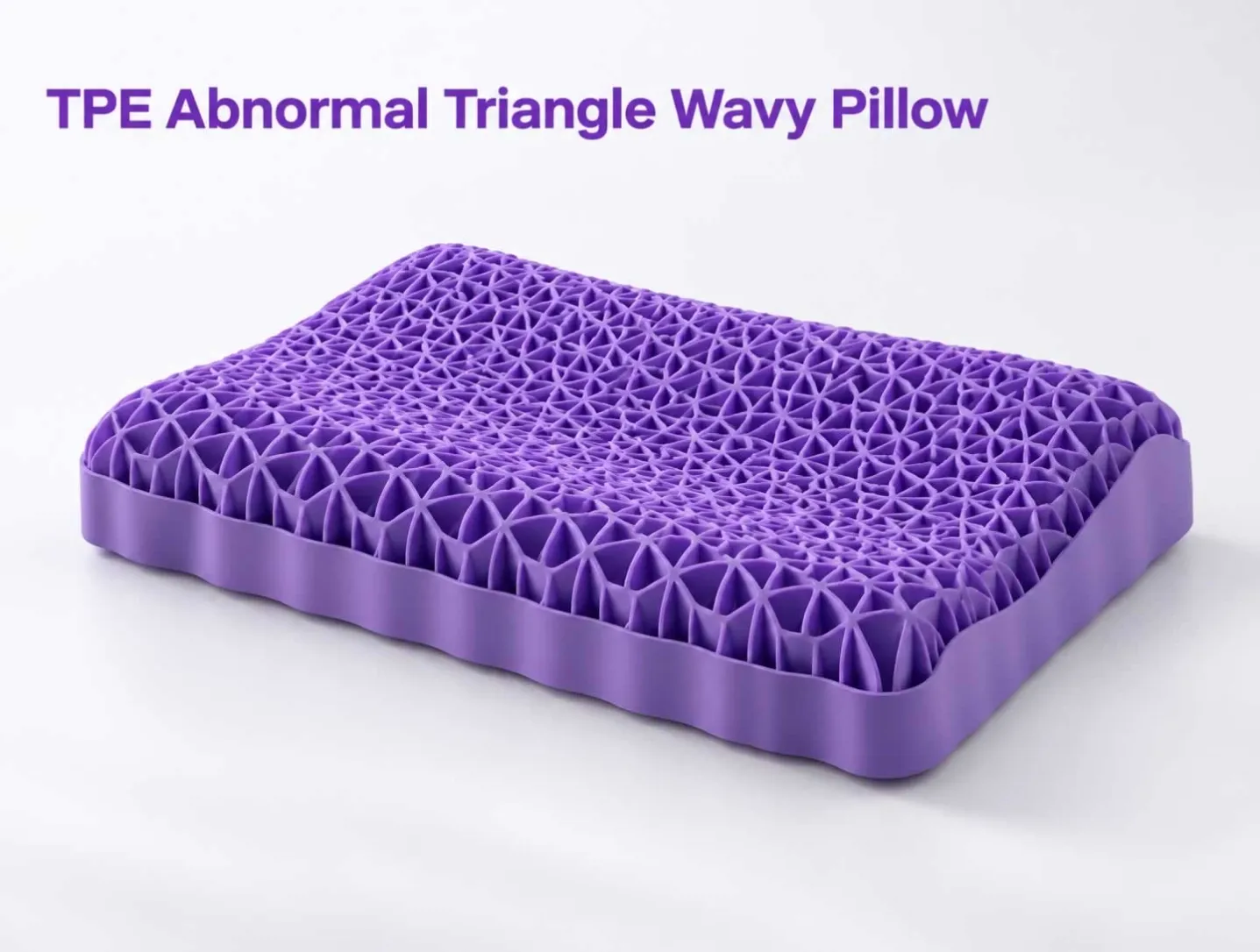
Launching a private-label pillow collection allows sleep brands, bedding retailers and wholesalers to sell differentiated products under their own names.
However, creating a successful TPE grid pillow requires more than adding a logo to an existing product. The pillow structure, target customer, firmness, color, cover and packaging should work together as one clear product concept.
TPE Grid Factory supports private-label and OEM projects for brands, manufacturers, importers, distributors and e-commerce retailers. This guide explains how to move from an initial idea to samples and mass production.
- Define Your Target Customer
Begin by deciding who will buy the pillow and which problem the product should address.
Potential customer groups include:
Hot sleepers seeking a more breathable pillow
Consumers wanting responsive head and neck support
Buyers looking for alternatives to conventional foam pillows
Premium bedding customers
Hotels and hospitality suppliers
Online shoppers interested in innovative sleep products
Consumers seeking washable pillow components
Your target customer influences the pillow shape, height, firmness, color, packaging and retail price.
A premium ergonomic pillow may require a contoured profile and stronger support. A cooling-oriented pillow may focus on an open grid surface and breathable cover. A mass-market product may prioritize a standard structure, efficient packaging and accessible pricing.
- Choose the Product Construction
TPE grid technology can be used in several pillow constructions.
Complete TPE grid pillow
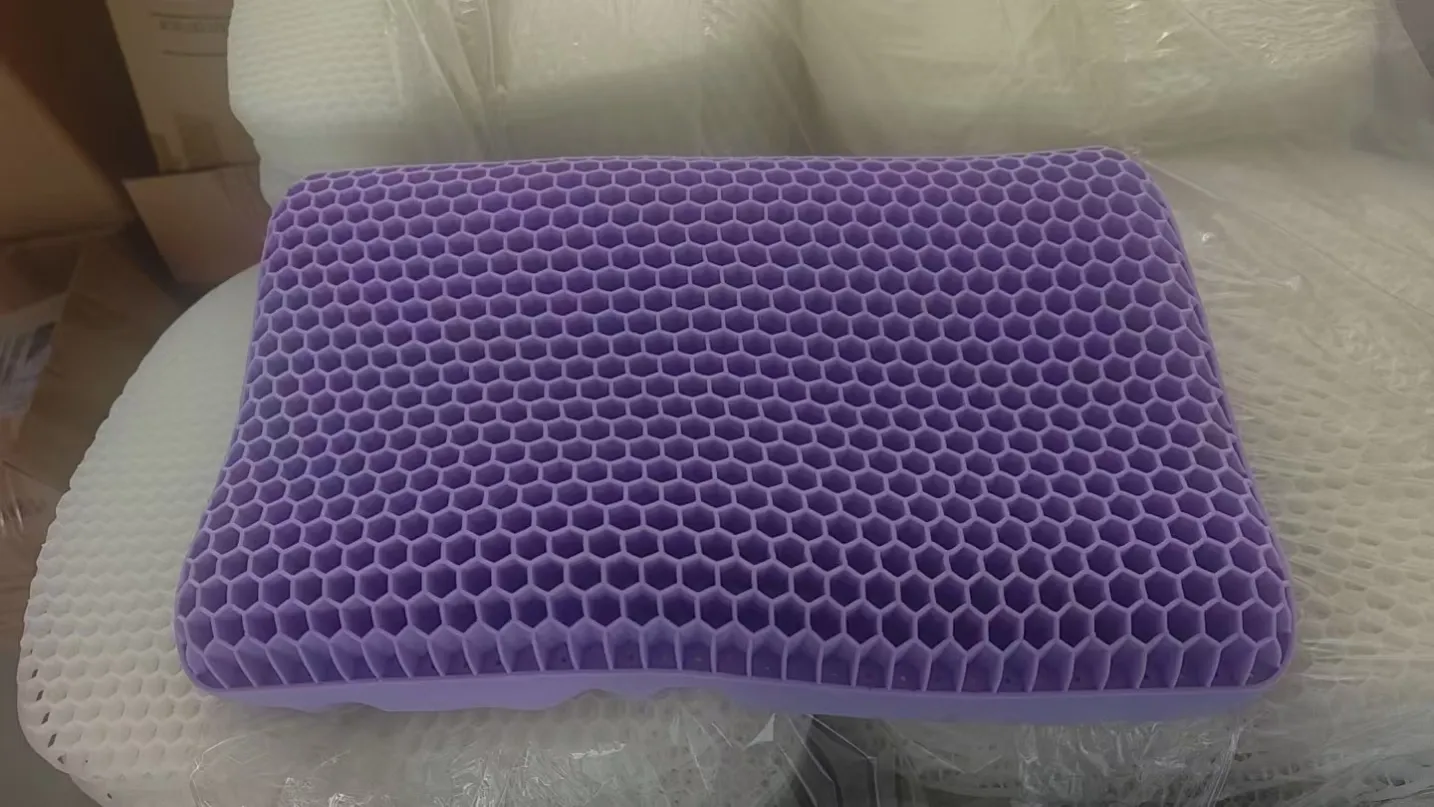
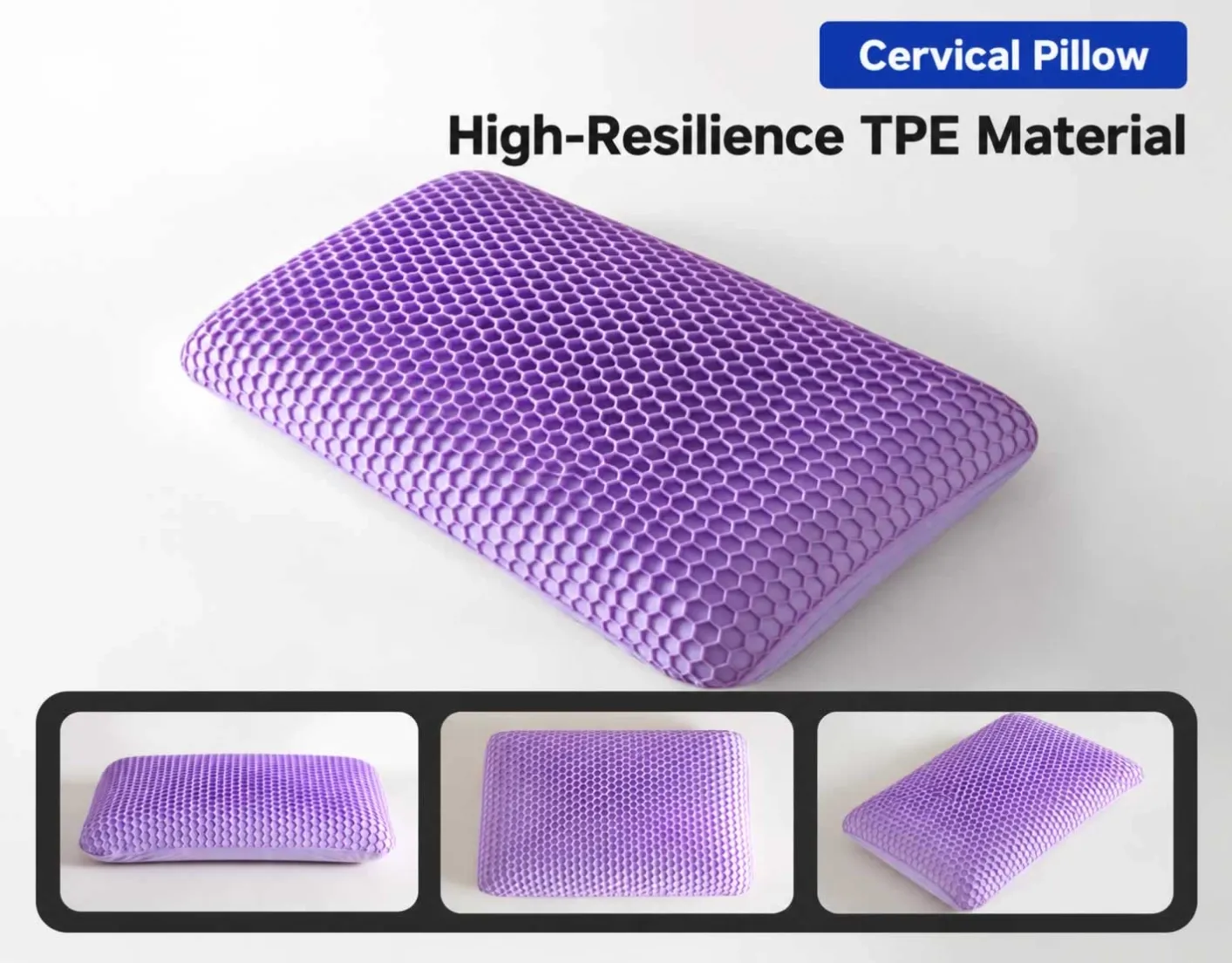
The complete core consists of a flexible TPE structure. This creates a distinctive product appearance and makes the grid material central to the product story.
TPE grid with memory foam
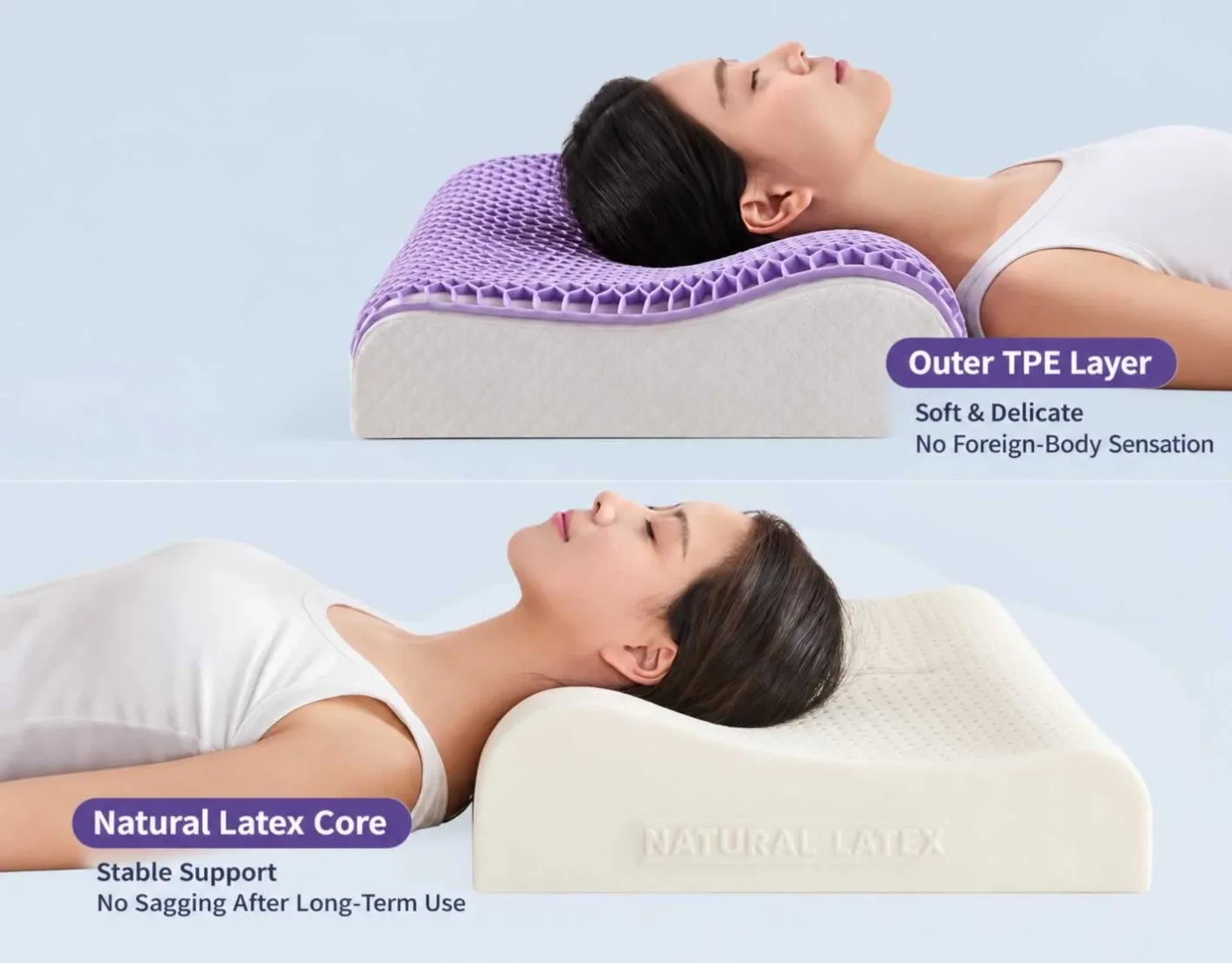
A TPE layer can be combined with a molded or cut memory foam core. The foam provides familiar contouring, while the grid adds a responsive surface and visible technical feature.
TPE grid with latex
Latex pillow manufacturers can add a customized TPE sheet to an existing latex core. This allows the brand to retain its established construction while introducing a new comfort layer.
TPE grid with microfiber
A soft microfiber-filled core can be combined with a TPE grid layer. The filling provides loft and cushioning, while the grid creates a differentiated upper surface.
Manufacturers with their own assembly capabilities can also purchase only the TPE grid sheet or pillow component.
- Select a Standard Model or Develop a New Design
Using an existing TPE pillow model is normally the fastest way to test the market. The buyer can focus on the cover, label and packaging without immediately investing in a new structure.
Custom development may be appropriate when the brand requires:
Exclusive dimensions
A unique pillow profile
Special firmness
Proprietary grid geometry
Multiple support zones
Integration with an existing pillow core
A distinctive product appearance
Exclusive designs may require new tooling. Tooling feasibility, cost and development time should be evaluated before samples are produced.
- Confirm Color and Minimum Order Quantity
Color can connect the pillow material with the brand’s visual identity.
Our current minimum order quantities are:
Purple TPE grid pillows: 100 pieces
Blue TPE grid pillows: 100 pieces
Other custom TPE colors: 300 pieces
Purple and blue are suitable for brands beginning with a smaller wholesale or trial order.
For a custom color, buyers should provide a Pantone number, physical color sample or brand guideline. A physical sample should be approved because screen displays, surface texture and lighting can change how the final color appears.
MOQ may vary if the project includes a new mold, highly customized construction or special packaging.
- Develop the Fabric Cover
The cover affects appearance, skin contact, airflow and overall product positioning.
Private-label options may include:
Removable zippered covers
Customized fabric
Quilted or smooth surfaces
Brand colors
Logo embroidery
Woven labels
Printed labels
Care and composition labels
The cover should fit the TPE structure correctly without excessively restricting compression or blocking the grid’s open channels.
Buyers should also confirm washing instructions and labeling requirements for the destination market.
- Design the Retail Packaging
Packaging turns an OEM pillow into a recognizable branded product.
Depending on the sales channel, packaging may include:
Printed color boxes
Standard white boxes
Carry bags
Product information cards
Care instructions
Barcode labels
Country-specific information
Shipping cartons
Retail packaging should clearly identify what makes the product different without relying on unsupported claims.
If the pillow will be compressed for shipping, the complete product and packaging method should be tested. TPE components, foam and fiber fillings may respond differently to prolonged compression.
- Order and Evaluate Samples
Sample testing is an essential stage of private-label development.
Buyers should evaluate:
Dimensions and finished height
Firmness and compression
TPE resilience
Grid consistency
Product weight
Physical color
Cover fit
Stitching and zipper quality
Packaging dimensions
Recovery after shipping
The complete pillow should be tested because the TPE structure, inner core and cover jointly determine the final sleeping experience.
Any requested cooling, pressure-relief or durability claims should be supported by appropriate testing of the final product.
- Confirm the Production Specification
After sample approval, all details should be recorded in a final specification.
This should include:
Product dimensions
TPE structure and hardness
Approved color
Finished weight
Cover material
Label placement
Packaging artwork
Carton requirements
Inspection criteria
Order quantity
Delivery terms
Finalizing these points before production reduces misunderstandings and helps maintain consistency across future orders.
- Begin with a Trial Order
A trial order allows a brand to evaluate consumer response before expanding the collection.
Brands can begin with a standard purple or blue model at the 100-piece MOQ. After confirming market demand, the product range can be extended with:
Additional pillow shapes
Custom brand colors
Different firmness levels
Hybrid TPE and foam pillows
TPE mattress toppers
TPE seat cushions
Replacement TPE components
This creates a complete product family rather than relying on one pillow model.
Start Your Private-Label TPE Pillow Project
TPE Grid Factory, operated by LinHai YiBai Trading Co., Ltd. in Zhejiang, China, manufactures TPE grid pillows and components for international B2B customers.
We support sleep brands, bedding wholesalers, manufacturers, importers, distributors and online retailers with sampling, OEM customization, private labeling, packaging and mass production.
To begin, send us:
Target market
Preferred pillow model
Required dimensions and firmness
TPE color
Estimated quantity
Logo and cover requirements
Packaging requirements
Destination country