Oct 24, 2026new
Cooling Pillow Manufacturer: A New Alternative to Traditional Memory Foam
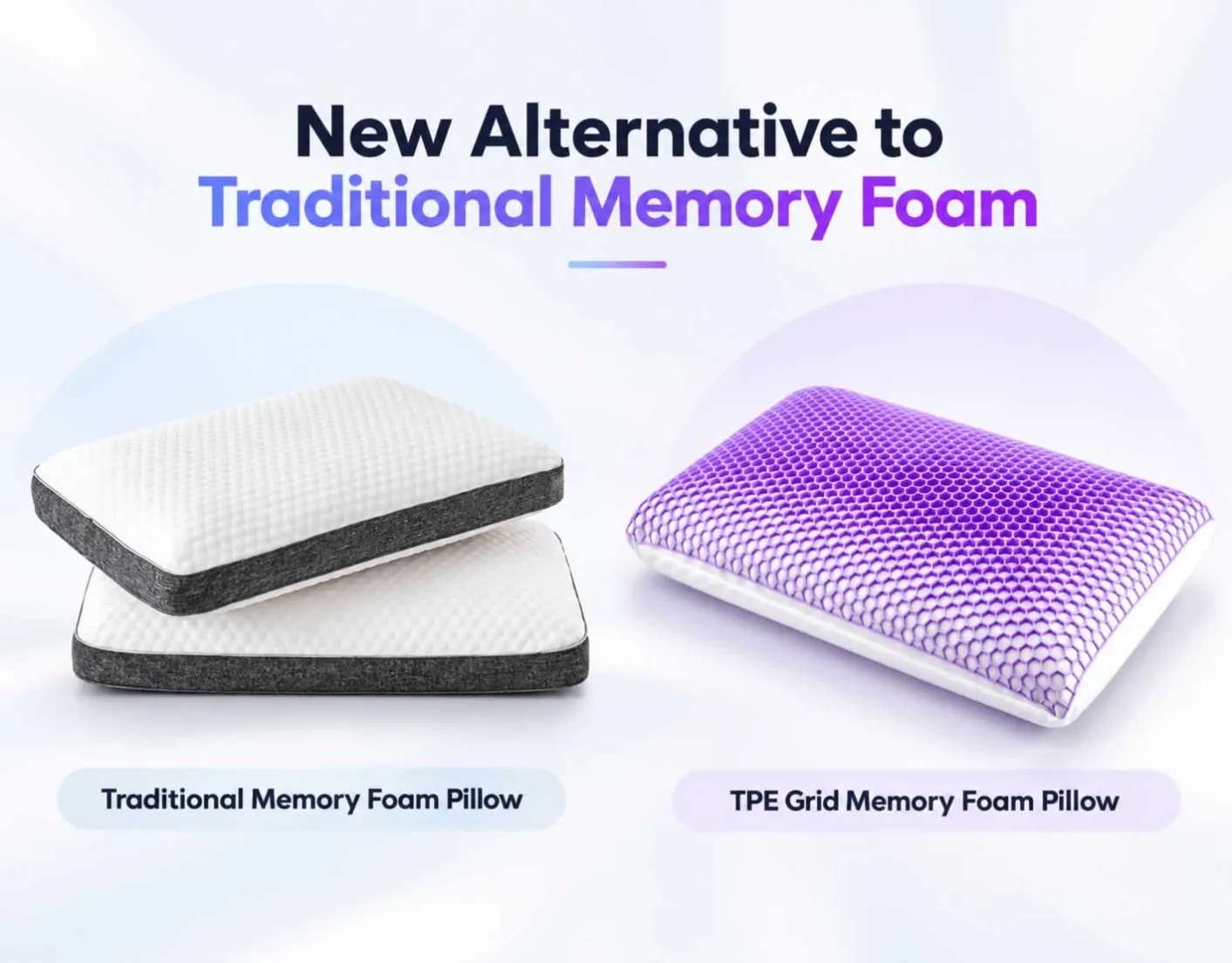
Memory foam has been one of the most widely used materials in the pillow industry for years. It offers pressure relief, body contouring and a familiar comfort feel that consumers already understand.
However, as demand for cooling pillows, breathable pillows and temperature-regulating sleep products continues to grow, many brands are looking for alternatives to traditional solid memory foam.
For buyers searching for a cooling pillow manufacturer, the question is no longer simply:
“Which memory foam pillow should we add to our collection?”
A more important question is:
How can we create better airflow and a more differentiated sleep product without losing comfort and support?
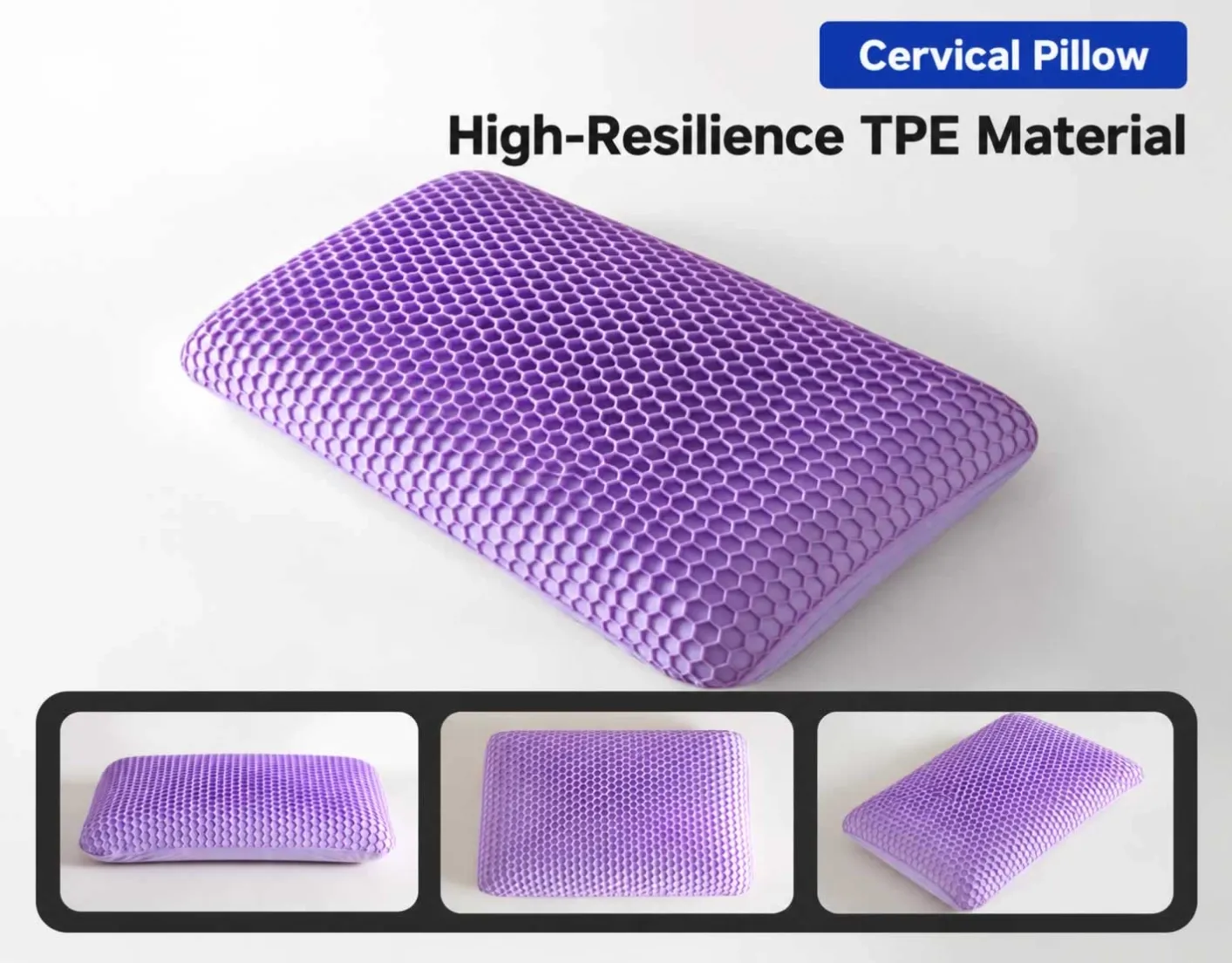
One emerging solution is the use of TPE Grid technology, either as a full pillow structure or as a breathable comfort layer combined with memory foam or microfiber filling.
Why Traditional Memory Foam Can Feel Warm
Memory foam is popular because it responds to pressure and conforms to the sleeper's head and neck.
But traditional solid foam also has a limitation: airflow.
Because the material has a relatively dense structure, heat generated by the sleeper may remain around the surface of the pillow.
Manufacturers have introduced several solutions over the years, including:
- Gel-infused memory foam
- Perforated foam
- Open-cell foam
- Cooling fabric covers
- PCM fabrics
- Ventilation holes
These improvements can help, but brands looking for stronger product differentiation may want to go beyond simply changing the pillow cover or adding cooling gel.
This is where a breathable grid structure becomes interesting.
What Is a TPE Grid Cooling Pillow?
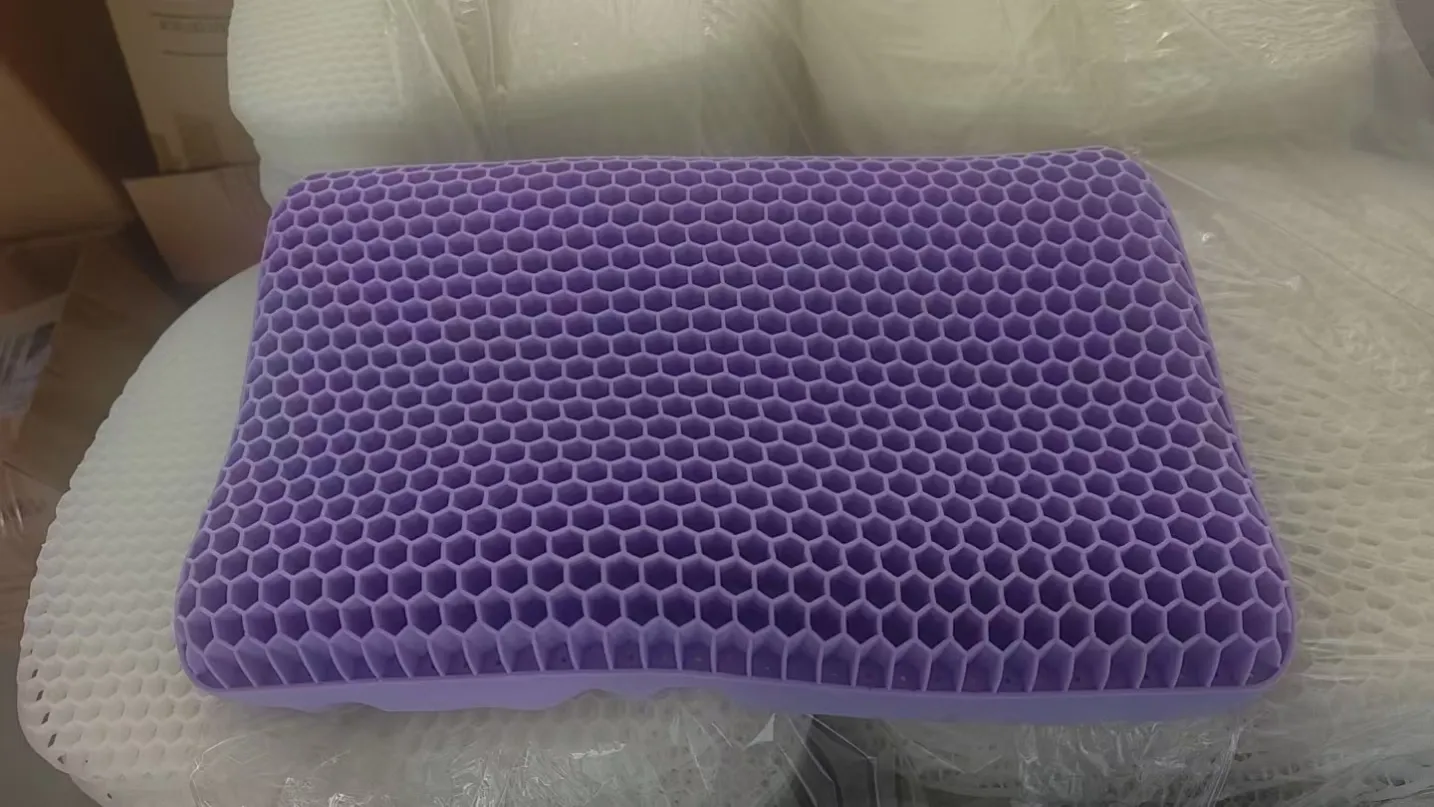
TPE Grid is a flexible elastomer structure made with an open three-dimensional grid.
Instead of using a completely solid sleeping surface, the grid creates multiple air channels throughout the material.
When pressure is applied, the grid compresses and flexes. When the pressure is removed, it quickly returns toward its original shape.
For cooling pillow development, this type of structure offers several potential advantages:
Better airflow, flexible support, pressure distribution and fast recovery.
More importantly, brands do not necessarily need to replace memory foam completely.
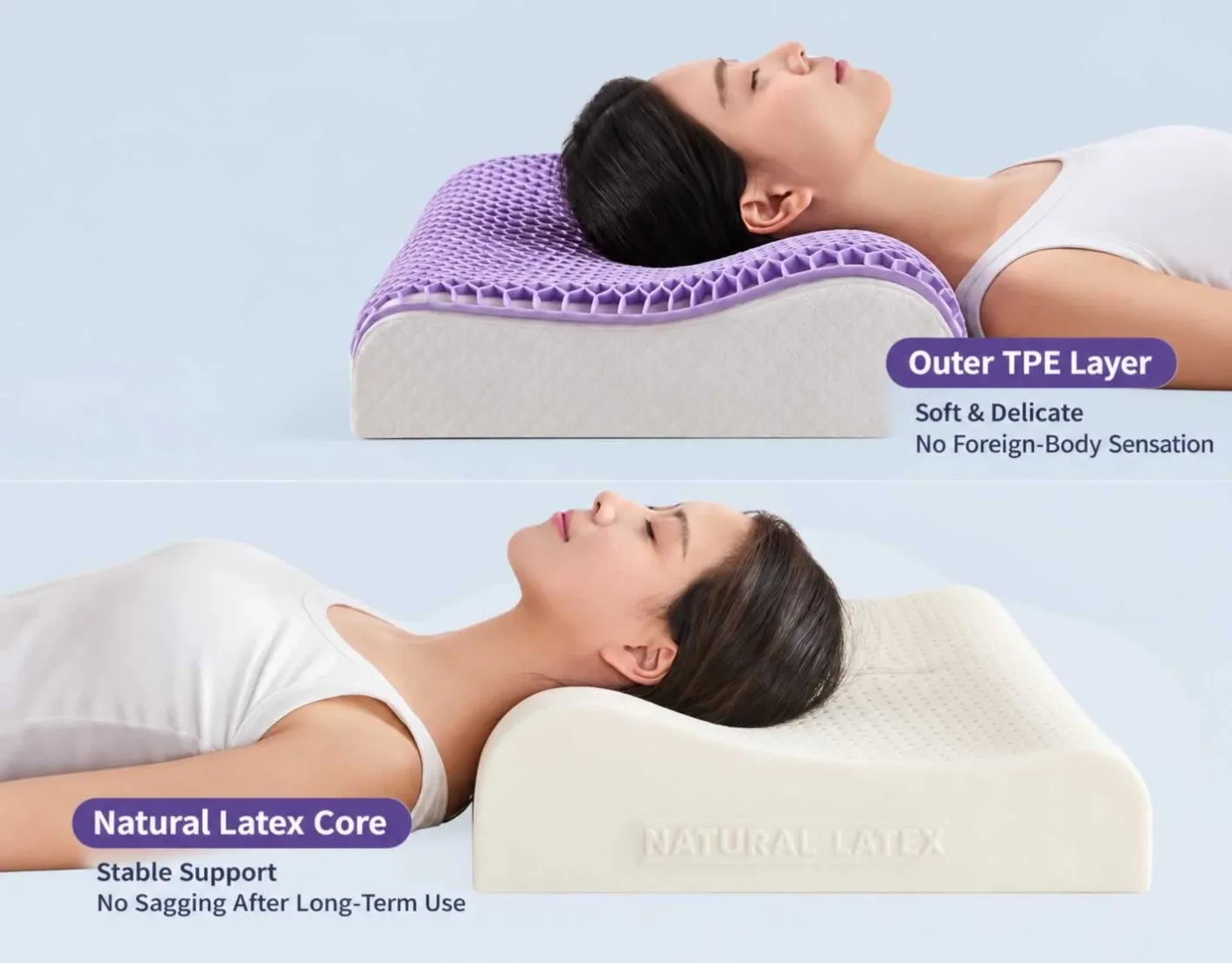
TPE Grid can be combined with an existing foam core to create a hybrid cooling pillow.
TPE Grid + Memory Foam: A Practical Hybrid Solution
For many established sleep brands, completely replacing memory foam may not be necessary.
Consumers already understand memory foam, and many brands already have successful foam pillow collections.
A more practical product-development strategy can be:
TPE Grid comfort layer + memory foam core.
The memory foam provides familiar contouring and support, while the TPE Grid layer introduces additional airflow and a more distinctive sleeping surface.
This hybrid construction can be especially suitable for brands looking to upgrade existing products instead of developing an entirely new pillow platform.
It can also create a stronger retail story.
Instead of marketing another standard “cooling memory foam pillow,” the product can be positioned around:
airflow + pressure relief + hybrid comfort + cooling structure.
Another Option: TPE Grid + Microfiber Filling
Not every cooling pillow needs a memory foam core.
TPE Grid can also be combined with microfiber filling to create a softer, lighter pillow construction.
This option may appeal to brands targeting consumers who prefer a more traditional fluffy pillow feel but still want a breathable surface.
Different combinations allow buyers to develop products for different market positions, including:
- Cooling pillows
- Premium sleep pillows
- Hotel-style pillows
- Ergonomic pillows
- Summer bedding collections
- Hybrid pillows
- Hot-sleeper product lines
This flexibility is particularly useful for OEM and private label buyers.
What Should Brands Compare When Choosing a Cooling Pillow Manufacturer?
A good supplier should offer more than one finished pillow style.
Brands should evaluate whether the manufacturer can customize the internal structure according to their target customer.
Important points to discuss include:
1. Pillow Height
Different markets prefer different pillow heights.
The manufacturer should be able to adjust the overall construction through different core thicknesses, filling levels or grid combinations.
2. Firmness
Cooling alone is not enough.
The pillow still needs to provide the right balance of softness and support.
TPE material hardness, grid thickness, memory foam density and filling quantity can all influence the final feel.
3. Airflow Structure
Ask how the internal pillow construction improves ventilation.
A cooling fabric may provide an immediate cool-touch sensation, while the internal structure determines how easily heat can escape during the night.
4. Cover Options
Brands may choose from cooling fabric, knitted fabric, nylon-spandex fabric or other performance textiles depending on product positioning.
Removable covers and hidden zippers can also improve the premium appearance of the product.
5. Packaging
Packaging is especially important for e-commerce brands.
Depending on the pillow construction, suppliers may support retail boxes, kraft boxes, branded packaging or vacuum compression.
Is TPE Grid Better Than Memory Foam?
The two materials should not always be viewed as direct competitors.
Memory foam is excellent for contouring and pressure relief.
TPE Grid offers a different type of performance, with stronger emphasis on openness, airflow, flexibility and recovery.
For many brands, the most interesting opportunity is therefore not:
TPE Grid versus memory foam.
It is:
TPE Grid plus memory foam.
A hybrid design allows manufacturers to combine the strengths of both materials while developing a product that looks and feels different from standard foam pillows already on the market.
Sample Testing Is Important Before Bulk Production
Comfort products should always be tested physically before confirming a large production order.
During sample evaluation, buyers should check:
- Sleeping comfort
- Firmness
- Pillow height
- Air circulation
- Pressure relief
- Shape recovery
- Cover feel
- Overall product weight
- Packaging performance
After testing, specifications can be adjusted before starting trial or bulk production.
This process helps brands reduce product-development risk and improve the chance of launching a pillow that fits their target market.
A New Direction for Cooling Pillow Brands
The cooling pillow market is becoming crowded.
Many products now use similar blue gel layers, cooling fabrics and standard memory foam constructions.
For brands, wholesalers and bedding retailers, real product differentiation may increasingly come from how the pillow is built, not simply which fabric is used on the outside.
TPE Grid offers a new approach by introducing an open, flexible comfort structure that can be used alone or combined with traditional pillow materials.
For companies already selling memory foam, latex or microfiber pillows, it can be a practical way to develop a new cooling collection without abandoning existing product knowledge or production concepts.
Looking for an OEM Cooling Pillow Manufacturer?
We support OEM and private label development for:
TPE Grid Pillows | TPE + Memory Foam Hybrid Pillows | TPE + Microfiber Pillows | Cooling Pillow Covers | TPE Grid Sheets | Mattress Comfort Layers
Custom sizes, firmness, grid structures, colors, pillow covers, logos and retail packaging are available.
If you are developing a new cooling pillow collection or want to upgrade an existing memory foam pillow with a more breathable structure, samples can be developed first for testing before bulk production.
Contact us to discuss your target specification, sample requirements and wholesale pricing.