Jul 30, 2026new
TPE Mattress Topper: An OEM and Wholesale Guide for Bedding Brands
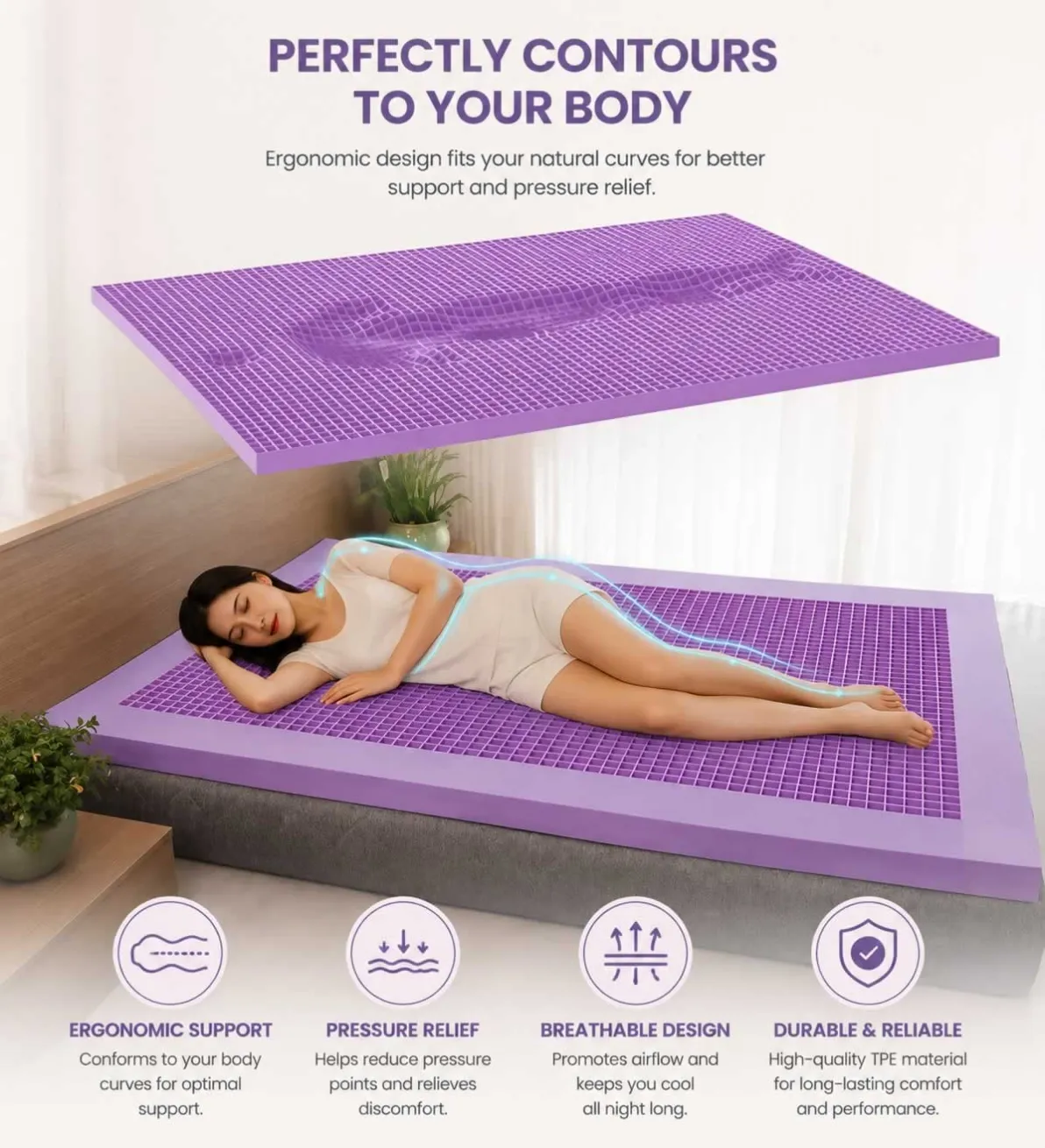
A TPE mattress topper gives bedding companies a practical way to introduce grid-based sleep technology without developing a complete mattress.
Placed above an existing mattress, the topper adds a separate comfort layer that can change the surface response, improve airflow through the construction and create a visible point of difference. It can be sold as a finished private-label product or supplied as a TPE grid component for integration by a mattress manufacturer.
For bedding brands, wholesalers, retailers and factories, the commercial opportunity is clear: a mattress topper is easier to add to an existing collection than a full mattress, while still offering enough customization to support premium positioning.
This guide explains how TPE mattress toppers work, which B2B customers they suit, what can be customized and what buyers should check before placing a wholesale order.
What Is a TPE Mattress Topper?
TPE stands for thermoplastic elastomer, a flexible polymer material with rubber-like elasticity and thermoplastic processing characteristics.
For mattress applications, TPE can be molded into a grid composed of interconnected flexible walls. These walls bend under pressure and rebound when the load is removed. The open spaces between them create visible airflow channels across the sleep surface.
A TPE mattress topper may use:
A full TPE grid core
A thinner TPE comfort layer
Several connected TPE sections
TPE combined with memory foam
TPE combined with latex
TPE incorporated into a multi-layer topper
These constructions create different comfort, weight, thickness and price positions. B2B buyers should therefore compare complete specifications rather than treating every TPE grid mattress topper as the same product.
Why TPE Mattress Toppers Offer B2B Potential
A complete mattress represents a major purchase for consumers and a complex product for retailers. It requires more warehouse space, more expensive transportation and a longer buying decision.
A topper provides a more accessible way to upgrade an existing sleep surface. This creates several commercial advantages.
An understandable product proposition
The customer places the topper on an existing mattress to add a new comfort layer. The concept is easy to demonstrate in stores, product videos and e-commerce images.
A natural cross-selling product
Retailers can sell mattress toppers with mattresses, pillows, protectors, fitted sheets and other bedroom products. Bedding brands can also offer them to previous mattress customers.
An entry point into TPE sleep technology
A topper allows consumers to experience the flexible TPE grid without purchasing a complete TPE mattress. Brands can later extend the same technology into pillows, mattress layers and cushions.
Visible product differentiation
A standard foam topper may look similar to many competing products. A colored TPE grid has an immediately recognizable structure that can be shown through removable covers, cutaway photography and physical samples.
Flexible market positioning
The product can be developed for premium bedding collections, online sleep brands, retail stores, wholesale distribution and selected commercial projects. The structure and specifications should be adjusted for the intended market.
Which B2B Buyers Can Sell TPE Mattress Toppers?
A TPE mattress topper manufacturer may serve several types of business customers.
Bedding brands can develop a private-label topper as part of a technology-led sleep collection.
Mattress manufacturers can offer the topper as an optional upgrade or use a related TPE grid inside selected mattress models.
Wholesalers and importers can distribute several dimensions, thicknesses or comfort options to local retailers.
Retailers can use physical samples and videos to demonstrate compression, rebound and airflow.
E-commerce brands can create strong visual content around the distinctive grid structure.
Furniture and component manufacturers can purchase a TPE mattress layer rather than a finished topper and complete the cover, assembly and packaging in their own factory.
The correct supply model should match the buyer’s existing capabilities.
What Can Be Customized?
A professional custom TPE mattress topper supplier should develop the product around the target market instead of offering only one standard specification.
Customization may include:
Product length and width
Overall topper thickness
TPE grid height
Grid shape and spacing
Grid wall structure
Material softness or firmness
Zoned support areas
Product weight
TPE color
Full-grid or segmented construction
TPE and memory foam combinations
TPE and latex combinations
Removable fabric covers
Labels and product instructions
Private-label packaging
Shipping cartons
Standard mattress dimensions differ between countries. Buyers should provide an accurate size chart rather than relying only on names such as Twin, Double, Queen or King.
Exclusive grid structures may require new mold development. For smaller or faster projects, modifying an existing product may be more practical.
Three Possible Supply Models
Finished private-label topper
The supplier provides the TPE core, cover, labels and packaging. This is suitable for brands, wholesalers and retailers that need a market-ready product.
TPE grid core or sheet
The buyer receives the functional TPE component and completes cutting, covering, assembly or packaging in its own factory.
Hybrid topper component
A TPE layer is developed for combination with the buyer’s memory foam, latex, springs or other materials.
Confirm the supply model before sampling because it affects dimensions, tolerances, packing, testing responsibility and quotation.
What Should Buyers Check Before Ordering?
Do not approve a TPE mattress topper based only on product photographs. Request a sample and evaluate:
Exact dimensions
Product and component weight
Grid consistency
Surface and edge quality
Color
Odor
Softness and compression response
Rebound after loading
Movement on the mattress
Compatibility with the cover
Fit with other material layers
Cleaning instructions
Packaging and recovery after transport
TPE products may be heavier than conventional textile or low-density foam toppers. Product weight, carton strength and shipping cost should be calculated before confirming the commercial model.
Buyers should also ask how the supplier controls raw materials, molding conditions, dimensions, weight, color and final inspection between production batches.
Your TPE Mattress Topper Manufacturing Partner
We develops TPE mattress toppers, mattress grid sheets, pillows, cushions and customized sleep and furniture components.
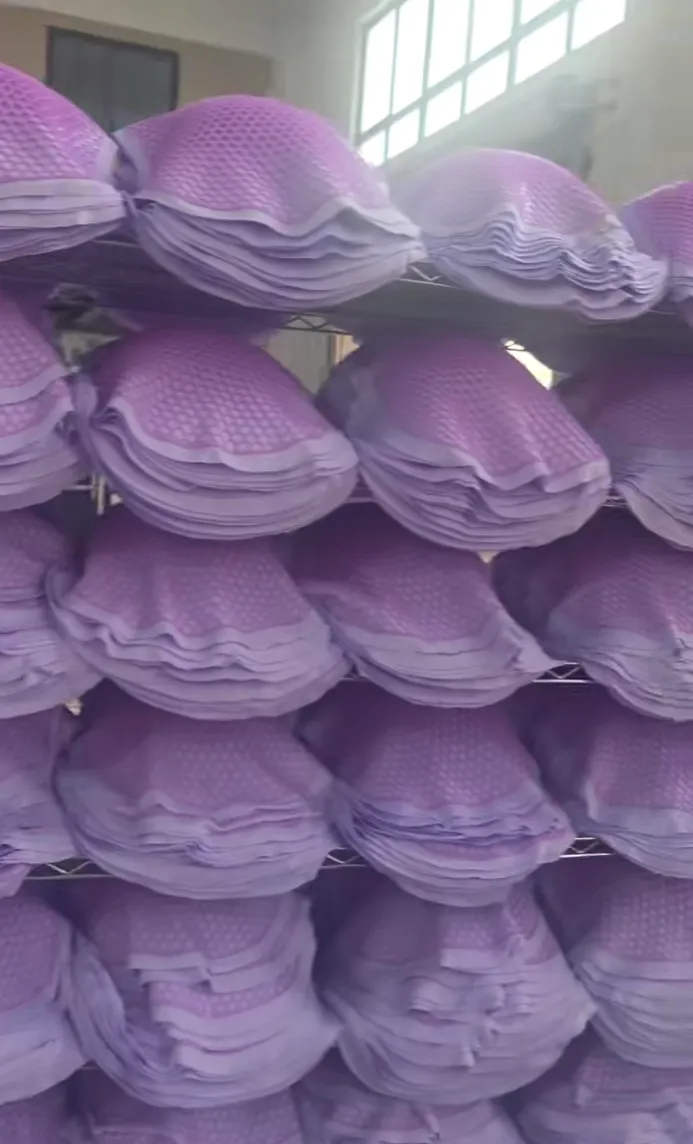
Our capabilities cover TPE formulation research, grid structure development, mold design and scalable production. Technical resources include an approximately 500-square-meter laboratory, with documented production capacity of around 12 tons of raw material per day and up to 5,000 sheets per day.
We support bedding brands, wholesalers, retailers and manufacturers with finished private-label products, customized TPE components and hybrid product development. Different dimensions, thicknesses, grid structures, comfort levels, colors and material combinations can be discussed according to the project.
Relevant SGS, RoHS and EU REACH documentation is available, subject to confirmation for the selected material and finished construction.
Request a TPE Mattress Topper Quote
Looking for a TPE mattress topper manufacturer or wholesale TPE grid topper supplier?
Send us:
Target product and market
Required dimensions
Preferred thickness
Desired softness or firmness
TPE color
Full TPE or hybrid construction
Estimated first-order quantity
Estimated annual demand
Cover and packaging requirements
Required test documents
Expected launch date
With these details, our team can recommend a suitable product structure, sampling route and project-based quotation.