Jul 30, 2026new
How TPE Grid Technology Helps Premium Sleep Brands Build Distinctive Products
Premium sleep brands compete on more than softness, appearance or packaging. Their products need a clear reason to exist, a comfort experience consumers can feel and a material story that can be explained across websites, retail stores, social media and professional sales channels.
However, many pillows and mattresses are built with similar combinations of memory foam, latex, springs and fiber. When consumers cannot see or understand the difference, premium products become difficult to distinguish from standard alternatives.
TPE grid technology gives bedding brands an opportunity to create a recognizable product architecture. The flexible grid can add breathable construction, responsive support, pressure distribution and washability to pillows, mattresses, cushions and other sleep products.
For a premium brand, TPE is more than another filling material. It can become a signature component that connects product performance, visual identity and brand positioning.
What Premium Sleep Brands Need From a Material
A premium material must provide value at several levels.
First, it should create a noticeable experience. Consumers should be able to feel a difference when they touch, press or lie on the product.
Second, the benefit should be easy to communicate. Technical complexity is useful only when it can be translated into a clear customer advantage.
Third, the material should support distinctive product design. Premium bedding brands need more than a standard item with a different label.
Finally, the material and manufacturing system must be scalable. A successful launch needs consistent samples, dependable production and the ability to develop future products.
An experienced OEM TPE bedding supplier should therefore understand both material engineering and brand product development.
Why TPE Grid Technology Fits Premium Bedding
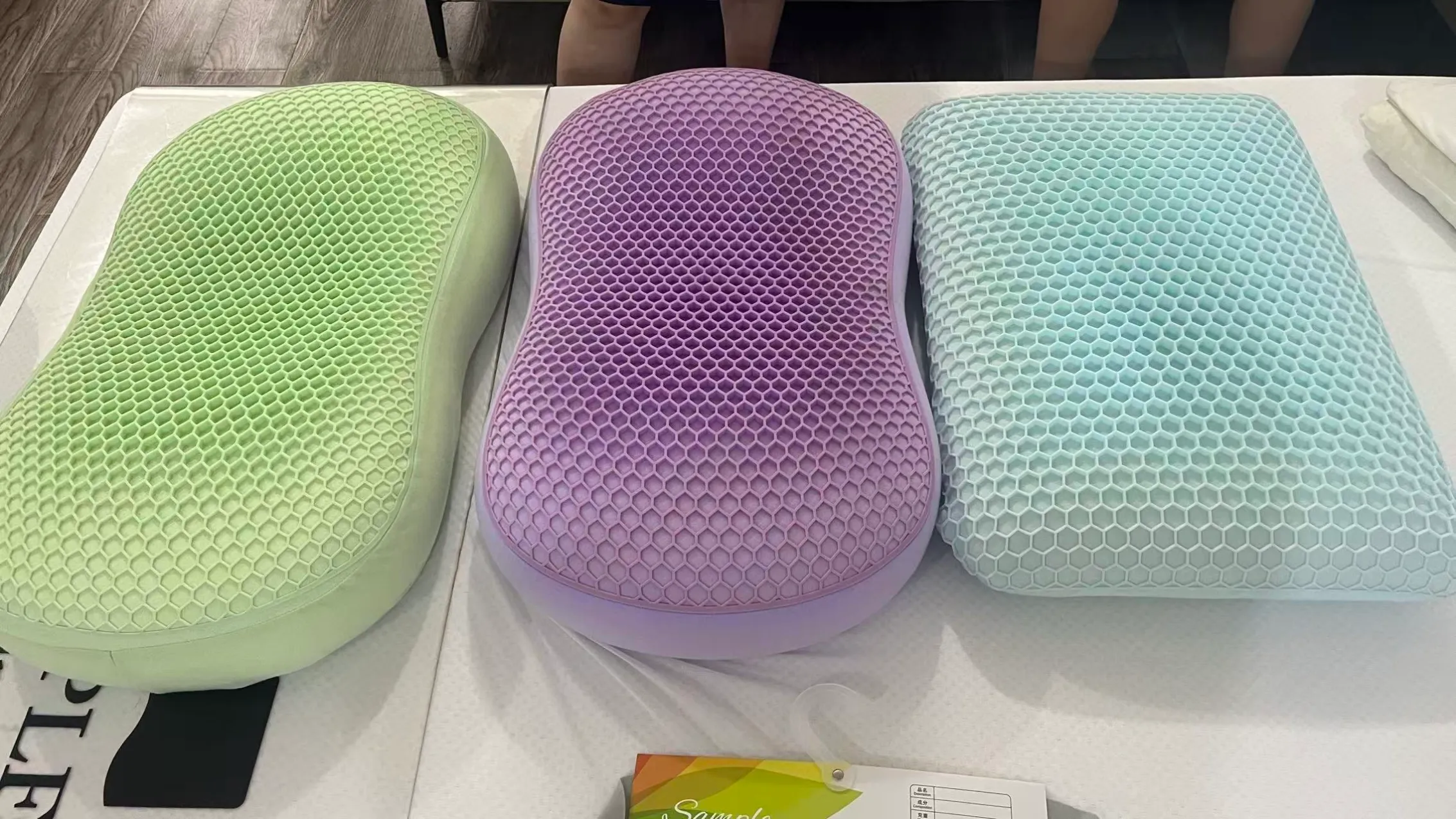
TPE, or thermoplastic elastomer, is a flexible polymer material with rubber-like elasticity. For sleep and furniture products, it can be molded into an open grid made of interconnected flexible walls.
When pressure is applied, the grid walls bend and adapt to the load. When the pressure is removed, the structure rebounds toward its original shape. The open spaces also create continuous airflow channels through the material.
This structure gives premium sleep brands several valuable selling points.
Responsive comfort
The grid reacts quickly to pressure and movement. Its geometry can be adjusted to create softer areas, firmer areas or targeted support zones.
Visible breathability
Unlike an internal material that consumers cannot see, the open grid provides a clear visual explanation of airflow. It can be presented through cutaway images, removable covers, videos and retail demonstrations.
Pressure distribution
The flexible walls deform across the contact area, helping the surface adapt to the head, neck, shoulders, back or hips, depending on the product.
Washable construction
A removable TPE component can be cleaned with water when the surrounding product materials are designed appropriately. This gives brands a practical hygiene story, especially for pillows and cushions.
Long-lasting resilience
TPE is valued for its elasticity and fatigue resistance. A properly engineered grid can repeatedly flex and recover, supporting a premium message based on lasting performance.
Recognizable brand appearance
TPE grids can be produced in different colors, structures and shapes. A distinctive pattern or color can become part of the visual identity of a product collection.
From One Product to a Complete Premium Collection
A major advantage of TPE grid technology is its ability to support multiple categories.
A bedding brand may begin with a private-label TPE pillow and later expand into:
Ergonomic high-and-low pillows
Butterfly and cervical support pillows
TPE and memory foam combination pillows
TPE and latex combination pillows
Mattress comfort layers
TPE mattress grid sheets
Mattress toppers
Seat and back cushions
Sofa comfort components
Pet sleep products
Using one material concept across several products creates a more consistent brand story. It also allows retailers and distributors to build coordinated collections rather than relying on a single isolated item.
A premium pillow can introduce consumers to the material, while a mattress or topper can become the higher-value extension of the same technology.
Creating a Product That Belongs to Your Brand
Premium sleep brands should avoid depending entirely on generic products that are also available to competitors. A qualified private-label bedding manufacturer should offer meaningful product customization.
TPE product development may include:
Exclusive product dimensions
Pillow height and contour
Grid shape and spacing
Material softness and elasticity
Zoned support structures
TPE layer thickness
Product weight
Signature brand colors
TPE and foam combinations
TPE and latex combinations
Fabric cover development
Labels, packaging and inserts
Exclusive molds and structural designs
Customization should begin with the target customer and product position. A pillow designed for a luxury retail collection may require a different surface feel, height, appearance and presentation from one developed for an online performance-sleep brand.
The development process should translate the brand’s promise into measurable product decisions rather than simply adding a logo to an existing item.